






















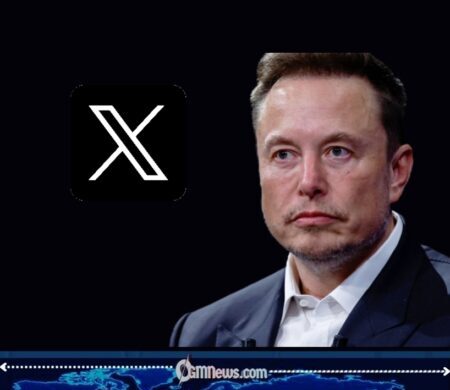
Elon Musk has reached a settlement with the U.S. Securities and Exchange Commission over allegations that he delayed disclosing his initial 2022 purchases of Twitter, now known as X. The agreement includes a $1.5 million civil penalty, marking the resolution of a long-running regulatory dispute tied to his acquisition activities. While Musk did not admit wrongdoing, the settlement closes another chapter in his often contentious relationship with federal regulators.
Background to the SEC Lawsuit
The lawsuit centered on Musk’s acquisition of shares in Twitter in early 2022, a period that eventually led to his high-profile takeover of the social media platform. The SEC alleged that Musk failed to disclose his stake within the legally required timeframe, thereby allowing him to continue purchasing shares at lower prices before the market reacted.
Regulators argued that this delay provided Musk with an unfair financial advantage, estimating that he saved approximately $150 million due to the late disclosure. The case was filed in federal court in Washington, D.C., and became a focal point in ongoing scrutiny of Musk’s business practices.
In response, Musk challenged the lawsuit, seeking its dismissal earlier in the year. However, the court declined his request, allowing proceedings to continue and setting the stage for the eventual settlement.
Terms of the Settlement Agreement
Under the terms disclosed, a trust associated with Musk will pay a $1.5 million civil fine to resolve the matter. Importantly, Musk neither admitted nor denied the allegations, a common provision in SEC settlements that allows defendants to avoid formal acknowledgment of liability.
The agreement does not require Musk to relinquish any of the financial gains allegedly linked to the delayed disclosure. This aspect has drawn attention, as it contrasts with some enforcement actions where disgorgement of profits is mandated.
Final approval of the settlement rests with U.S. District Judge Sparkle Sooknanan, whose earlier rulings in the case signaled a willingness to scrutinize Musk’s legal arguments. Approval would formally conclude the litigation.
Legal and Financial Implications
The resolution highlights ongoing debates about disclosure requirements and enforcement in U.S. financial markets. Timely reporting of significant share acquisitions is considered essential for maintaining transparency and fairness for all investors.
While the financial penalty represents a relatively modest sum compared to Musk’s wealth, the case underscores the importance regulators place on compliance with disclosure rules. It also signals that high-profile individuals remain subject to enforcement actions regardless of their market influence.
Legal analysts note that the absence of an admission of wrongdoing may limit the case’s broader implications, though it still reinforces the SEC’s authority to pursue similar violations in the future.
A History of Tension Of Musk with Regulators
The settlement marks another milestone in a long and often contentious relationship between Musk and the SEC. Their interactions date back to 2018, when the regulator accused him of securities fraud over statements regarding taking Tesla private.
That earlier case resulted in a separate settlement requiring Musk to pay a $20 million fine, step down as Tesla’s chairman, and accept oversight of certain public communications. The episode established a pattern of regulatory scrutiny that has continued in subsequent years.
Since then, Musk has frequently criticized the SEC, at times questioning its motives and approach. Despite these tensions, both sides have repeatedly reached settlements rather than prolonged courtroom battles.
Broader Impact on Corporate Governance
The case carries broader implications for corporate governance and executive conduct, particularly in the age of social media and rapid information dissemination. High-profile executives are increasingly expected to adhere strictly to disclosure rules, regardless of how transactions are communicated or executed.
For investors, the case serves as a reminder of the potential market impact of delayed or incomplete information. Transparency remains a cornerstone of investor confidence, especially in high-stakes transactions involving publicly traded companies.
Regulators are also likely to continue monitoring similar cases closely, particularly as digital platforms and unconventional communication channels play a larger role in financial markets.
Looking Ahead
With the settlement awaiting court approval, attention now turns to whether this agreement will mark a turning point in Musk’s dealings with regulators or simply another episode in an ongoing dynamic.
Musk continues to lead multiple major enterprises while shaping discussions around technology, finance, and governance. His actions, both in business and in public communications, remain under close observation by investors and regulators alike.
For the SEC, the outcome reinforces its commitment to enforcing disclosure laws, even when dealing with some of the most prominent figures in global business.


Logging in is a breeze and the site stability is amazing even during peak hours....