

























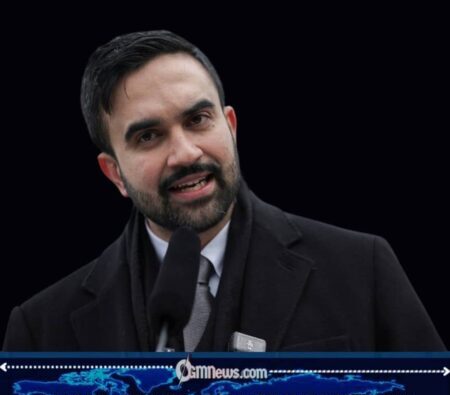
Economic Inequality returned to the center of political debate after Zohran Mamdani sharply criticised government spending priorities, accusing political leaders of showing far greater comfort approving massive financial benefits for wealthy corporations and elite interests than supporting programs aimed at struggling communities. His remarks quickly gained traction online, where supporters described them as a blunt reflection of modern economic realities, while critics accused him of oversimplifying complicated fiscal policy debates. The statement arrives during a period of rising public frustration over inflation, housing affordability, healthcare costs, and widening wealth gaps that continue reshaping political conversations across several major democracies.
Mamdani Criticises Political Leaders Over Spending on the Rich
Mamdani’s remarks focused heavily on what he described as a political culture that normalises enormous public expenditures benefiting the wealthy while treating social assistance programs as financially reckless or politically dangerous. Supporters of the New York lawmaker argued that the criticism reflects long-standing concerns over corporate bailouts, tax incentives, and government-backed economic packages that often move rapidly through political systems compared to slower responses for low-income communities.
The Economic Inequality argument has become increasingly influential among younger voters and working-class groups who believe economic growth has disproportionately benefited major corporations and high-income individuals. Critics of Mamdani’s position, however, argue that public investment in corporations can sometimes protect jobs, stabilise markets, and prevent broader economic crises. Others warned that emotionally charged rhetoric could deepen political divisions without addressing the complexities of balancing economic growth with social welfare obligations.
“Money for the Rich, Excuses for the Poor” — Mamdani Economic Inequality Ignites Firestorm
The controversy surrounding Mamdani’s statement also reflects a broader international political shift in which debates over wealth concentration, taxation, and public spending are becoming central election issues. Across the United States and other Western nations, growing public dissatisfaction has emerged over executive compensation levels, corporate profits during inflationary periods, and perceptions that ordinary workers carry heavier economic burdens while wealthy individuals receive favorable financial protections.
Economic Inequality discussions have intensified further following years of pandemic-related spending, rising interest rates, and ongoing concerns about affordable housing shortages in major urban centers. Political analysts note that populist messaging from both the left and right increasingly focuses on distrust toward powerful institutions, financial elites, and government priorities. Even opponents of Mamdani’s comments acknowledged that public anger surrounding living costs and economic insecurity has become impossible for mainstream politicians to ignore.
As the debate continues, Mamdani’s remarks may ultimately serve less as an isolated political statement and more as another sign that economic frustration is becoming one of the defining forces shaping modern public discourse. OGM News understands that discussions surrounding Government Spending and Economic Inequality are expected to remain politically explosive as election cycles intensify and voters continue demanding clearer answers about who truly benefits from national prosperity.
Casinoabc999? Good Site. The interface is sleek, and there is a lot of stuff to...