













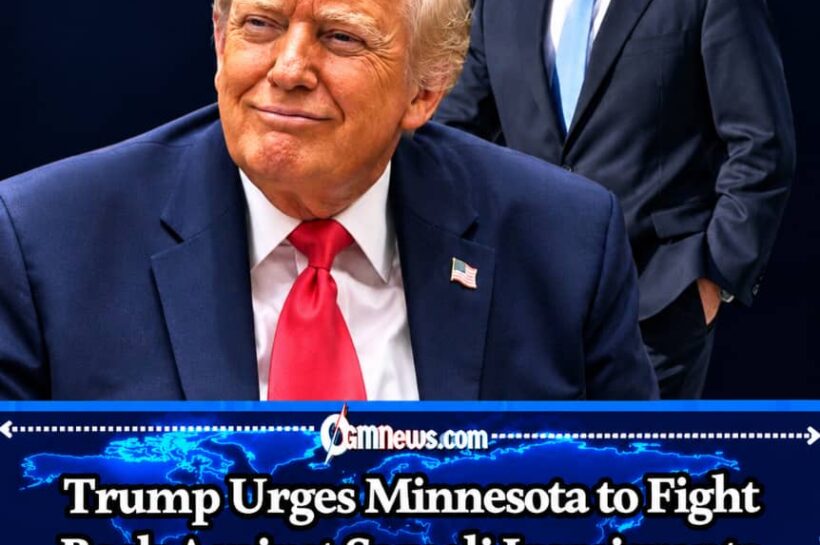



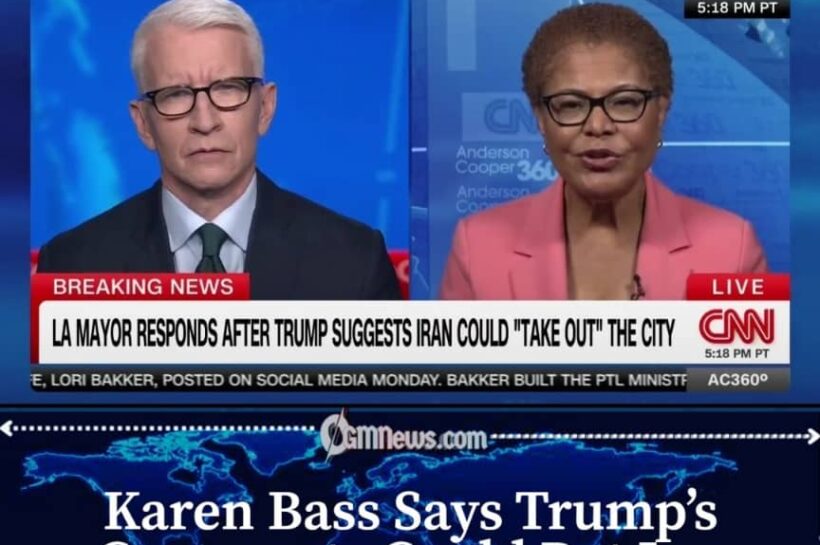




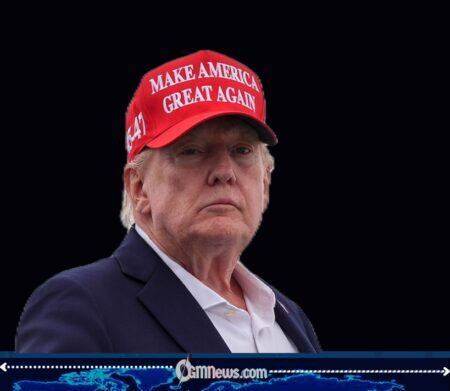
President Donald Trump appears to be approaching the 2026 midterm elections with an unusually personal political message: love me, or else. In a satirical reading of the political mood surrounding his campaign, the president’s greatest midterm policy proposal may not be about taxes, jobs or foreign policy at all, but about whether Republican candidates and voters can demonstrate sufficient emotional loyalty to Donald Trump. The theme has become especially striking as his approval rating has fallen to 33% in a recent Reuters/Ipsos poll, with 64% disapproving of his performance.
A Campaign Built Around Personal Loyalty
The political drama became particularly visible in South Carolina, where Trump campaigned for Darline Graham ahead of the Republican Senate runoff and asked supporters to “pretend” he was on the ballot. The remark neatly captured the larger political argument: although Trump himself is not a candidate in the 2026 midterms, he is determined to make the elections a referendum on his leadership, influence and standing inside the Republican Party.
In the satirical version of events, Republican candidates might soon need to submit more than policy platforms. Perhaps a loyalty certificate, a Trump appreciation essay and a signed declaration confirming that they have no plans to admire anyone else would complete the application. The joke becomes sharper because Trump’s influence remains powerful enough to help candidates such as Graham, even as several Trump-backed candidates have suffered primary defeats and his own popularity has weakened.
When “America First” Meets “Donald Trump First”
Donald Trump’s personalisation of the midterms also arrives amid a difficult political environment. His approval rating has reached one of the weakest points of his presidency, while concerns over the Iran conflict, gasoline prices and the economy are creating additional pressure for Republicans heading toward November. Meanwhile, his escalating dispute with Canada has produced another highly theatrical chapter: Trump signed an executive order renaming Lake Ontario “Lake America” for U.S. federal usage, a move that Canada and other critics rejected.
Then came the Karoline Leavitt episode, which supplied political satire with almost irresistible material. Leavitt is leaving her White House press-secretary position to spend more time with her young family, while remaining an outside adviser to Trump. Trump has publicly joked about her loving her children more than him. In the strange emotional mathematics of Washington politics, motherhood apparently became evidence in the president’s imaginary loyalty contest—proof that even a newborn can apparently become a political rival for presidential affection.
The central irony is that elections traditionally ask voters whether they approve of policies, leadership and results. Trump’s current political strategy, however, appears to invite a different question: How much do you love Donald Trump? That may explain why he repeatedly places himself at the centre of races in which his own name is not even on the ballot. If the midterms become a referendum on personal devotion rather than governing performance, Republican candidates may discover that they are not merely running for Congress—they are auditioning for the president’s approval.
As the 2026 midterms approach, the real test will be whether Donald Trump’s intensely personal campaign strategy can overcome voter concerns about the economy, foreign policy and his declining approval, or whether Republican candidates eventually discover that political affection cannot be commanded by executive order. OGM News will continue to watch the unfolding campaign drama, where the next question may not be who wins the election, but who still gets invited to the presidential love table.



[…] […]