
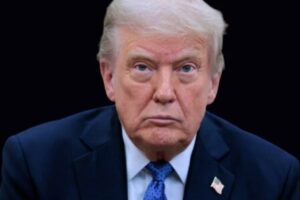



























President Donald Trump, currently serving a second term, is actively weighing a range of escalation scenarios in the ongoing conflict with Iran, as diplomatic efforts face increasing uncertainty. Donald Trump has signaled that while negotiations remain a priority, the United States is prepared to intensify military action if talks fail to produce a favorable outcome.
Donald Trump’s position reflects a broader strategy that combines pressure with diplomacy, aiming to force concessions while maintaining the option of decisive action. Officials familiar with internal discussions suggest that contingency plans are being refined to address multiple scenarios, including prolonged conflict.
The evolving situation places Donald Trump at the center of a high-stakes geopolitical decision, where the consequences of escalation could extend far beyond the immediate conflict zone.
Donald Trump and the Strategic Calculus Behind Escalation
Donald Trump’s administration is reportedly evaluating how best to increase pressure on Iran without triggering uncontrollable escalation. The strategic calculus involves assessing whether additional military force would strengthen the U.S. negotiating position or risk prolonging the conflict.
Donald Trump has consistently emphasized that any agreement must align with U.S. interests, reinforcing the rationale for maintaining a strong military posture. This approach reflects a belief that leverage in negotiations often depends on demonstrating readiness to act.
However, analysts warn that the margin for error is narrow, and miscalculations could lead to unintended consequences that reshape the regional balance of power.
Ground Troop Deployment: A High-Risk Option
One of the most significant options under consideration involves deploying U.S. ground forces to secure key Iranian targets. These could include nuclear facilities or vital oil infrastructure such as export terminals.
Military experts caution that such operations would require thousands of troops and sustained logistical support. Iran’s defensive capabilities including missile systems and drone warfare pose serious risks to any ground incursion.
Even limited operations could result in substantial casualties and potentially draw the United States into a longer-term military engagement, raising questions about the overall feasibility of such plans.
Targeting Nuclear Infrastructure: Strategic but Complex
Iran’s nuclear program remains a central concern in U.S. strategic planning. Potential military actions include targeting or securing nuclear materials to prevent further development of weapons capabilities.
However, these facilities are often deeply buried and heavily fortified, making them difficult to neutralize. Experts note that even successful strikes may only delay progress rather than eliminate the program entirely.
The complexity of such operations underscores the challenges facing policymakers as they weigh the potential benefits against the risks of escalation.
Regional Repercussions and Global Economic Impact
Any escalation in the conflict could have significant regional and global consequences. Iran has indicated it may retaliate by targeting energy infrastructure and disrupting critical shipping routes, including the Strait of Hormuz.
Such actions could lead to sharp increases in global oil prices and broader economic instability. International markets remain sensitive to developments in the region, given its importance to global energy supply.
Additionally, attacks on U.S. allies or military bases could widen the conflict, drawing in other nations and increasing the likelihood of a broader regional confrontation.
Outlook: Donald Trump Faces a Defining Decision
As tensions continue to rise, Donald Trump faces a defining moment in shaping U.S. policy toward Iran. The decision to escalate or sustain diplomatic efforts will have lasting implications for regional stability and global security.
Donald Trump’s approach reflects the challenge of balancing immediate strategic goals with long-term consequences. While increased pressure may influence negotiations, it also carries the risk of deepening the conflict.
Ultimately, the path forward will depend on developments in both diplomatic channels and military operations, with the outcome likely to shape the geopolitical landscape for years to come.


[…] […]