





























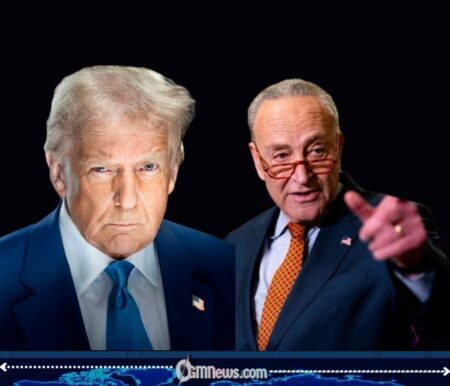
Democrats have intensified criticism of the administration of Donald Trump, describing it as “imploding” following the resignation of a third cabinet member. The latest departure, involving Labor Secretary Lori Chavez-DeRemer, comes amid a series of controversies and leadership shake-ups that have fueled political tensions in Washington. The development has prompted renewed scrutiny of the administration’s internal stability and governance.
Cabinet Resignations Deepen Political Tensions
The resignation of Chavez-DeRemer marks the third high-profile exit from the Trump administration in recent weeks, following the reported removals of Attorney General Pam Bondi and Homeland Security Secretary Kristi Noem. Democratic leaders argue that the pattern reflects deeper structural and leadership challenges within the current government.
In a strongly worded response, the Democratic Party described the situation as evidence of Trump administration struggling to maintain cohesion. Democratic Party officials pointed to the frequency of leadership changes as a sign of instability, raising concerns about continuity in key policy areas and national governance.
Controversies Surround Chavez-DeRemer’s Departure
Chavez-DeRemer, a former Republican lawmaker from Oregon, announced her resignation citing her service as “an honor and a privilege.” She indicated plans to transition into the private sector, though she did not directly address the controversies surrounding her tenure.
Her departure follows a series of allegations, including claims of professional misconduct and inappropriate use of government resources. Reports also referenced personal controversies, which, while unverified in official proceedings, contributed to mounting political pressure and public scrutiny. The situation added to the challenges faced by the Trump administration in managing reputational risks among senior officials.
Democratic Leaders Escalate Criticism of Trump Administration
Prominent Democrats have seized on the developments to intensify their critique of Trump administration. Senate Minority Leader Chuck Schumer called for further accountability, extending his criticism beyond the cabinet to other senior officials.
Schumer specifically urged the resignation of FBI Director Kash Patel following allegations reported in a media investigation. The claims, which include accusations of excessive drinking and absenteeism, have been strongly denied by Patel, who has initiated legal action against the publication involved, describing the report as defamatory.
Legal and Political Fallout Intensifies
Patel’s lawsuit against the media outlet underscores the growing intersection of legal disputes and political conflict within the administration. His legal team has characterized the allegations as a “malicious hit piece,” raising broader questions about media accountability and political narratives.
At the same time, the Trump administration faces increasing pressure to respond to both internal controversies and external criticism. Analysts note that such disputes can divert attention from policy priorities and complicate efforts to maintain public confidence.
Policy Moves Continue Amid Leadership Changes
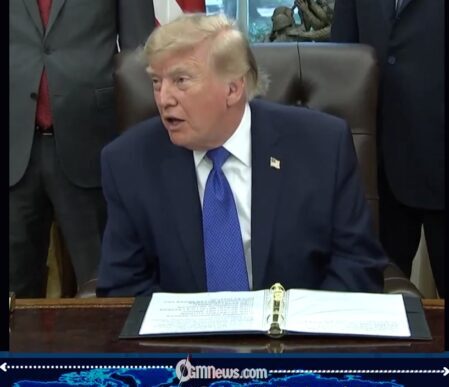
Despite the political turbulence, President Trump has continued to advance key policy initiatives. On Monday, he signed a series of memorandums addressing coal supply chains, natural gas production, and national grid infrastructure.
Invoking the Defense Production Act, President Trump emphasized the strategic importance of energy independence, framing it as essential to national defense. The move signals the administration’s focus on strengthening domestic energy capacity even as political challenges persist.
Developments in the Democratic Political Landscape
Meanwhile, political shifts are also underway within the Democratic Party. In California, the race for governor has seen notable changes, with former State Controller Betty Yee announcing her withdrawal from the contest.
Party officials, including California Democratic Party Chair Rusty Hicks, have encouraged lower-polling candidates to reconsider their bids. The evolving field reflects broader efforts within the party to consolidate support ahead of key electoral contests.
Broader Implications for Governance and Stability
The recent wave of resignations and controversies has sparked debate over the long-term implications for governance. Observers note that frequent leadership turnover can affect policy implementation, inter-agency coordination, and international perceptions of stability.
While the Trump administration continues to pursue its policy agenda, the political environment remains highly charged. Both parties appear poised to leverage recent developments as part of their broader strategies ahead of upcoming elections, ensuring that the issue remains central to national discourse.
Casinoabc999? Good Site. The interface is sleek, and there is a lot of stuff to...