
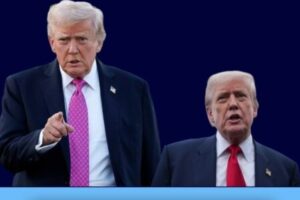






















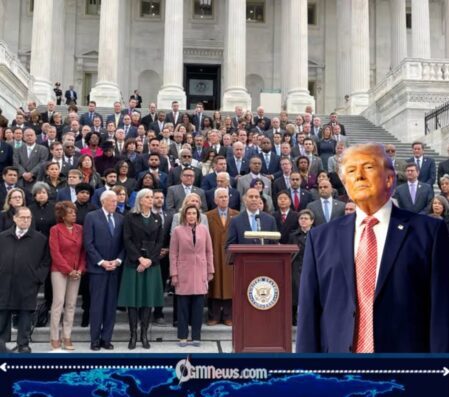
The United States Senate witnessed another defense bill dramatic political standoff after Senate Democrats blocked the advancement of the National Defense Authorization Act (NDAA), arguing that Congress cannot proceed with routine defense business while the conflict involving Iran continues to intensify. The move turned what is usually a bipartisan exercise into a full-scale political showdown, with lawmakers exchanging sharp words over national security, military spending, and the direction of American foreign policy under current President Donald J. Trump. In classic Washington fashion, the defense bill discovered that even “must-pass” legislation apparently needs a passport through political turbulence before reaching its destination.
Congress Presses the Pause Button
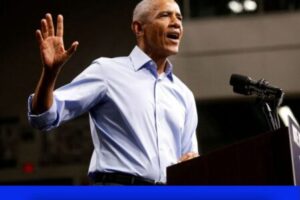
Democratic leaders, led by Senate Minority Leader Chuck Schumer, insisted that advancing the massive defense package while military hostilities remain active would send the wrong message. Their argument was simple: debating military budgets while the nation remains deeply involved in an overseas conflict is like discussing dessert while the kitchen is still on fire. The party collectively voted against advancing the legislation, preventing it from reaching the required 60-vote threshold.
The satirical twist is that Capitol Hill briefly resembled a family dinner where everyone agreed the meal was important, but nobody could agree whether to eat before or after settling an argument. While both parties repeatedly emphasized support for American service members, the debate shifted toward who should shoulder responsibility for the prolonged conflict, leaving the defense bill waiting patiently in the political lobby.
Trump, Iran and a Bill Caught in the Crossfire
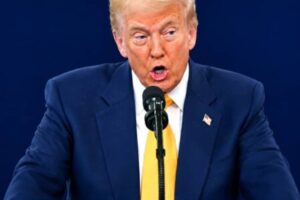
Current President Donald J. Trump recently adjusted his position regarding a proposed security fee on vessels using the Strait of Hormuz, abandoning the idea while maintaining pressure through continued maritime restrictions against Iran. Although the policy adjustment softened one proposal, Democratic leaders argued it failed to answer broader concerns about America’s long-term strategy and objectives in the region.
Republicans, meanwhile, accused Democrats of allowing politics to interfere with legislation that authorizes approximately $1.15 trillion in defense funding, including military pay raises, modernization programs, unmanned weapons systems, and counter-drone technology. From a satirical perspective, the defense bill found itself trapped in Washington’s favorite sport—political tug-of-war—where everyone claims to be pulling for national security while pulling in completely opposite directions.
As developments continue to unfold, OGM News will closely monitor negotiations surrounding the defense bill, the evolving situation involving Iran, and the political battle shaping America’s national security agenda. Whether compromise eventually triumphs over confrontation remains uncertain, but one thing is clear: this story is far from over, and readers should stay tuned for future updates from OGM News.
Signing up took less than two minutes and I was already exploring the available games....