














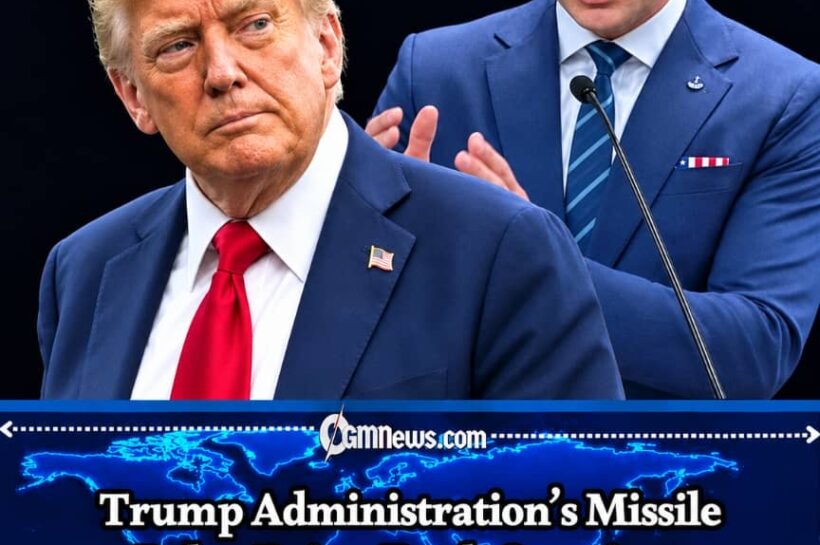






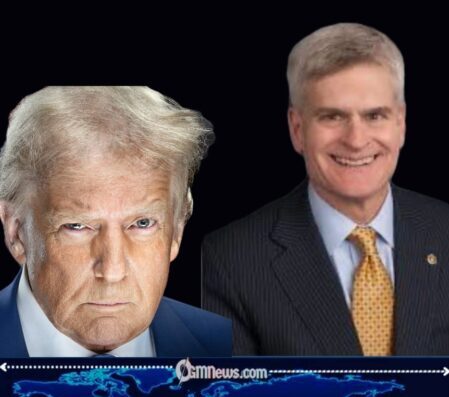
Congress has suddenly become the centre of a constitutional storm after outgoing Republican Senator Bill Cassidy accused President Donald Trump of treating lawmakers like a mere extension of the White House during the ongoing conflict with Iran. The extraordinary rebuke, delivered by a member of the president’s own party, has revived old questions about who truly controls America’s war-making powers and whether Congress has quietly surrendered its constitutional role.
Cassidy Says Congress Must Not Be Reduced to a Presidential Rubber Stamp
The dispute emerged after Cassidy publicly criticised the administration for failing to properly brief lawmakers about military operations involving Iran. According to the senator, the American constitutional system was specifically designed to prevent the presidency from becoming too powerful and to ensure that major decisions, especially those involving war, reflect broader democratic representation rather than the will of a single individual. His remarks followed a reportedly heated exchange with President Trump during a Republican gathering on Capitol Hill.
Cassidy later revealed that he had raised his voice during the confrontation and insisted that Congress deserved answers before endorsing further military actions. Although he eventually withdrew his support for a symbolic war powers resolution after receiving a private briefing from Vice-President JD Vance and special envoy Steve Witkoff, his criticism remained pointed. The senator also questioned whether Washington’s priorities have shifted away from ordinary Americans, arguing that policymakers should focus more on affordability and household concerns rather than political battles over voting restrictions and partisan loyalty.
Trump Faces Rare Republican Pushback Over War Powers and Congressional Authority
The controversy arrives amid a fragile ceasefire with Iran and growing concern over the financial and human costs of the conflict. Reports indicate that the war has already consumed billions of dollars and triggered renewed debates about the limits of presidential authority in foreign affairs. Recent congressional efforts to restrict or review military actions against Iran have exposed rare divisions within the Republican Party, with some lawmakers openly questioning whether the administration’s objectives have been clearly defined or achieved.
Cassidy’s criticism also extended beyond the battlefield. He objected to proposals associated with the Justice Department that would have created a controversial compensation fund for alleged victims of government “weaponization” and criticised efforts that could shield President Trump and his family from certain IRS audits. Legal experts and lawmakers from both parties have debated whether such arrangements create the perception that political leaders are subject to different standards of accountability than ordinary citizens.
Whether Cassidy’s comments become a turning point or merely a farewell speech from an outgoing senator remains uncertain. What is clear is that the question of Congress and its constitutional authority has once again entered the national conversation. As tensions abroad continue and domestic political battles intensify, Americans may soon decide whether their elected legislature is an independent branch of government—or, as one senator dramatically suggested, merely an appendage.


Navigating through slot games used to feel overwhelming but this login portal makes everything so...