

























A political-media confrontation surrounding current President Donald J. Trump has taken an unusual turn, with the five major television networks that normally rotate responsibility for pooled coverage of the president deciding not to provide a replacement after CNN was prevented from carrying out its scheduled assignment. The decision means that, for the time being, a presidential event normally followed by a shared television feed may instead leave broadcasters watching the White House schedule while their cameras stay home.
CNN Ban Turns a Routine TV Pool Into a Political Flashpoint
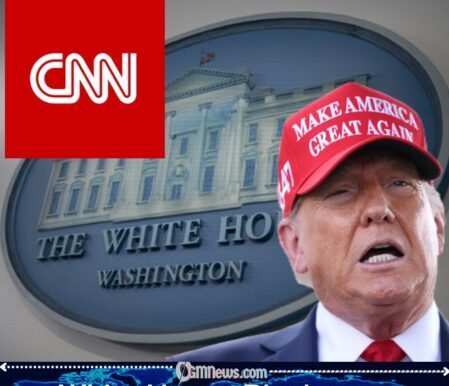
The immediate dispute began after Trump announced that CNN, MS NOW and Politico would be barred from the White House. Reporters from the three organizations were subsequently turned away from the White House complex, while the administration defended the restrictions as a response to what Trump described as unfavorable or false reporting. The affected organizations have challenged the restrictions in court, arguing that the action violates constitutional protections for the press.
CNN had been scheduled to serve as the television pool network for the president’s Monday activities, including his trip to New York for the United Nations General Assembly. The White House schedule, however, did not name another primary television network to replace CNN. That left the traditional five-network arrangement facing an awkward question: if one member is removed, does another simply take its place, or does the whole television relay stop?
No CNN, No Replacement Camera
The answer, at least for now, has been the latter. ABC, CBS, CNN, Fox News and NBC the five networks in the regular television pool—issued a joint statement saying the public has an interest in receiving accurate and independent information about government and that news organizations should not be restricted because of their reporting.
In practical terms, the development is rather extraordinary: the White House still has a president, the president still has events to attend, and television cameras still exist but the usual shared camera arrangement has temporarily stepped away. Other journalists and non-TV pool members can continue covering presidential activities, but the absence of the normal pooled video feed creates a conspicuous gap in routine television coverage.
The situation also revives a broader dispute over who controls access to the White House press operation. The administration has increasingly reshaped media access during Trump’s second term, while journalists and press organizations have argued that government access should not depend on whether officials approve of particular reporting. Those competing claims are now moving beyond the newsroom and into federal court.
For the moment, Washington has produced an unusual media equation: remove one network from the pool, and the remaining networks have chosen not to simply fill the empty chair. Whether the arrangement becomes a temporary protest, a longer-running standoff or another chapter in the continuing White House-media dispute remains to be seen. OGM News will continue watching the cameras, the court battle and the White House for further updates
[…] […]