





























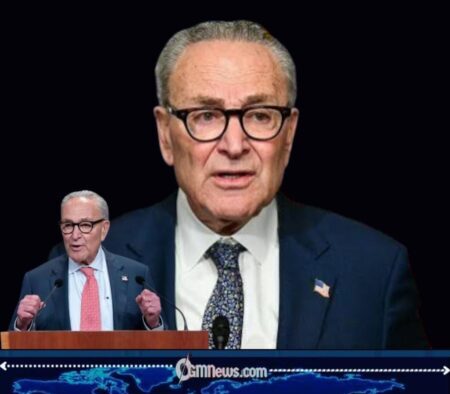
Chuck Schumer has rolled out a new Democratic energy pitch aimed at shaping the party’s messaging ahead of the upcoming midterm elections. Chuck Schumer’s proposal focuses on lowering energy costs for Americans while accelerating the transition to cleaner energy sources, positioning the plan as both economically and environmentally beneficial.
The announcement comes at a time when energy prices and climate concerns remain central issues for voters across the United States. Democratic leaders are seeking to frame their approach as a balanced solution that addresses affordability without compromising long-term sustainability goals.
Party strategists believe that emphasizing energy policy could resonate strongly with voters who are feeling the impact of rising costs. By highlighting tangible benefits such as job creation and lower utility bills, Democrats hope to strengthen their position heading into a competitive election cycle.
Key Elements of the Energy Proposal
Chuck Schumer outlined several core components of the energy strategy, including investments in renewable energy infrastructure and incentives for domestic production. Chuck Schumer emphasized the importance of reducing dependence on foreign energy sources while boosting American innovation.
The proposal also includes measures aimed at improving energy efficiency in homes and businesses. These initiatives are designed to help consumers reduce their energy consumption and save money over time.
Additionally, the plan highlights support for emerging technologies such as battery storage and grid modernization. These advancements are seen as critical for ensuring a stable and reliable energy supply in the future.
Chuck Schumer and the Political Messaging Strategy
Chuck Schumer is positioning the energy plan as a central pillar of the Democratic midterm campaign. Chuck Schumer believes that focusing on practical solutions can help counter criticism and appeal to a broader range of voters.
The messaging strategy emphasizes economic relief alongside environmental responsibility, aiming to bridge divides within the electorate. By presenting the plan as a win-win scenario, Democrats hope to gain traction among undecided voters.
Political analysts note that energy policy has become an increasingly important battleground, with both parties seeking to define the narrative in ways that align with their broader agendas.
Republican Response and Criticism
Chuck Schumer’s proposal has drawn criticism from Republican leaders, who argue that the plan may not adequately address immediate energy concerns. Chuck Schumer has responded by defending the proposal as a comprehensive approach that balances short-term needs with long-term goals.
Opponents have raised questions about the cost of implementing the proposed initiatives, suggesting that it could place additional strain on the federal budget. They have also expressed skepticism about the feasibility of rapidly transitioning to cleaner energy sources.
Despite the criticism, Democratic leaders remain confident that their approach offers a viable path forward. They continue to emphasize the potential benefits of the plan in their public messaging.
Implications for Voters and the Economy
Chuck Schumer’s energy pitch is expected to play a significant role in shaping voter perceptions in the lead-up to the midterms. Chuck Schumer has highlighted the potential for job creation and economic growth as key selling points of the proposal.
The plan’s focus on reducing energy costs could appeal to households struggling with rising expenses. By addressing these concerns directly, Democrats aim to connect with voters on an issue that affects their daily lives.
Economic experts suggest that the success of the proposal will depend on its implementation and the broader market conditions. The interplay between policy and economic realities will be closely watched.
Midterm Outlook and Strategic Significance
Chuck Schumer’s rollout of the energy strategy underscores the importance of policy-driven campaigning in the current political landscape. Chuck Schumer’s approach reflects a broader effort by Democrats to present clear and actionable plans to voters.
The midterm elections are expected to be highly competitive, with control of key legislative bodies at stake. Energy policy could emerge as a defining issue, influencing voter decisions across multiple regions.
As the campaign season progresses, both parties are likely to refine their messaging and adjust their strategies in response to evolving conditions.
Casinoabc999? Good Site. The interface is sleek, and there is a lot of stuff to...