




























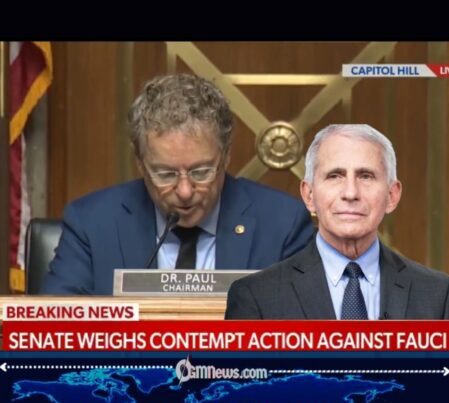
Anthony Fauci, the former director of the National Institute of Allergy and Infectious Diseases (NIAID), is facing a new legal and political challenge after the Senate Homeland Security and Governmental Affairs Committee voted to hold him in contempt of Congress. The Republican-led committee took the action after Fauci invoked his Fifth Amendment right against self-incrimination more than 100 times during a hearing examining the federal government’s response to the COVID-19 pandemic.
The committee approved the contempt resolution by an 8-7 party-line vote. Committee Chairman Senator Rand Paul argued that Fauci’s refusal to answer questions obstructed congressional oversight, while Fauci’s legal team defended his decision as the lawful exercise of a constitutional right. The matter is expected to move to the next stage of the congressional and legal process.
Congressional Scrutiny
Anthony Fauci appeared before the committee under subpoena as lawmakers sought answers regarding decisions made during the COVID-19 pandemic, including questions about federal research, public health guidance and the origins of the coronavirus. Rather than respond to the substantive questions, Fauci repeatedly invoked the Fifth Amendment on the advice of his attorneys.
Republican members of the committee argued that the repeated refusal to answer warranted contempt proceedings. Democrats opposed the move, describing it as politically motivated and warning that penalising a witness for invoking constitutional protections could set a troubling precedent. Fauci’s attorney similarly criticised the contempt vote, maintaining that his client acted within his constitutional rights.
Political and Legal Implications
The contempt vote marks the latest chapter in a long-running dispute between Anthony Fauci and several Republican lawmakers over the U.S. government’s handling of the pandemic. Fauci became one of the most recognisable public health officials during the COVID-19 crisis, while also becoming a frequent target of criticism from those who questioned aspects of the federal response.
Legal experts note that a committee vote does not itself establish criminal liability. Any further enforcement steps will depend on subsequent legal and procedural actions. The case also raises broader constitutional questions about the relationship between congressional investigative powers and an individual’s Fifth Amendment protections against self-incrimination.
As the matter moves beyond the committee stage, Anthony Fauci remains at the centre of a debate that extends beyond the pandemic itself, touching on congressional oversight, constitutional rights and political accountability. OGM News will continue to monitor official actions, legal developments and reactions from lawmakers as the case progresses.


Ae888covenuscasino, okay, I'm curious. Gonna check out this site and try to find some amazing...