

























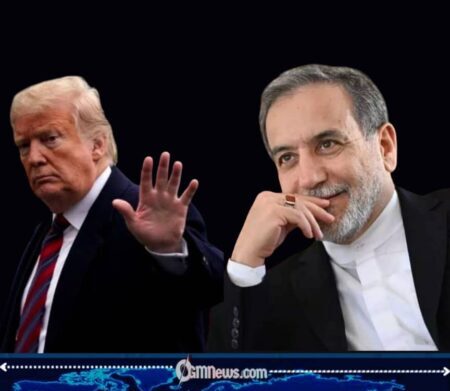
Iran’s Foreign Minister Abbas Araghchi has sharply criticized U.S. policy in the Strait of Hormuz, arguing that military force cannot resolve what he described as a fundamentally political crisis. His remarks come amid heightened tensions in the region, where naval operations, diplomatic friction, and economic concerns are converging.
Araghchi’s comments, which include criticism of U.S. maritime initiatives and warnings against escalation, reflect a broader clash between competing strategies. While the United States emphasizes deterrence and security, Iran is increasingly framing the situation as one requiring negotiation and political resolution.
Araghchi’s Position: Emphasis on Diplomacy Over Force
Foreign Minister Abbas Araghchi has positioned Iran’s stance as rooted in diplomacy, arguing that military actions risk deepening instability rather than resolving disputes. His statement that “you cannot bomb your way out of a political crisis” underscores Tehran’s view that the current tensions are driven by unresolved political disagreements.
He also warned against external influences that could exacerbate the situation, suggesting that “ill-intentioned actors” might benefit from prolonged conflict. This language reflects a broader narrative in Iranian diplomacy that emphasizes restraint and dialogue as preferable alternatives to escalation.
By framing the issue in these terms, the former minister seeks to present Iran as advocating for de-escalation, even as tensions in the region remain high.
Criticism of U.S. Maritime Operations
A central focus of Araghchi’s remarks is the U.S.-led effort to guide commercial vessels through the Strait of Hormuz. The initiative, described by U.S. officials as a security measure to protect shipping, has been criticized by Iranian authorities as counterproductive.
Araghchi referred to the initiative as ineffective, suggesting it could create a “deadlock” rather than resolve tensions. This critique aligns with concerns expressed by some analysts and shipping stakeholders, who warn that increased military presence in a confined and sensitive area may heighten the risk of confrontation.
The debate over maritime operations highlights the broader disagreement between the two sides over how best to ensure stability in a critical global trade route.
U.S. Perspective: Deterrence and Security Priorities
U.S. officials maintain that their actions in the Strait of Hormuz are necessary to safeguard international trade and ensure the free flow of energy supplies. President Donald Trump, currently serving a second term, has emphasized that protecting U.S. vessels and commercial shipping is a top priority.
From the U.S. perspective, a strong military presence serves as a deterrent against potential threats. Officials argue that without such measures, the risk to global trade would increase significantly, potentially disrupting markets and economic stability.
This approach reflects a broader strategy that prioritizes strength and readiness as tools for maintaining order in contested regions.
Regional Dynamics: The Role of Gulf States
Araghchi’s remarks also referenced the United Arab Emirates, highlighting the complex role of regional actors in the unfolding situation. Gulf states are navigating a delicate balance between maintaining security partnerships with the United States and avoiding direct confrontation with Iran.
These countries have significant economic and security interests tied to the stability of the Strait of Hormuz. Any escalation could have immediate consequences for energy exports, trade routes, and domestic stability.
As a result, regional governments are closely monitoring developments and, in some cases, advocating for diplomatic solutions to prevent further escalation.
Global Implications: Trade, Energy, and Stability
The Strait of Hormuz remains one of the world’s most important maritime chokepoints, with a substantial portion of global oil shipments passing through it. Disruptions in this area can have immediate and far-reaching economic effects.
Recent tensions have already contributed to fluctuations in energy markets, reflecting concerns about supply security. Businesses and governments alike are assessing the potential impact of prolonged instability in the region.
Araghchi’s remarks, while focused on political strategy, underscore the broader stakes involved, as decisions made in the region have global consequences.
Diplomacy vs. Deterrence: Competing Visions for Resolution
At the heart of the current situation is a fundamental disagreement over how to resolve the crisis. Iran, as articulated by Abbas Araghchi, advocates for a political and diplomatic approach, emphasizing dialogue and negotiation.
The United States, under President Donald Trump, continues to emphasize deterrence, arguing that a strong military posture is essential to maintaining stability and preventing aggression. These competing visions reflect differing assessments of risk and strategy.
The challenge for the international community will be to bridge these perspectives in a way that reduces tensions and promotes long-term stability.
A Critical Moment for Regional and Global Stability
Abbas Araghchi’s remarks highlight the deep divisions shaping the current geopolitical landscape. As tensions persist in the Strait of Hormuz, the balance between diplomacy and deterrence will play a crucial role in determining the path forward.
The situation underscores the importance of coordinated international efforts to manage conflict and maintain stability in a region vital to global commerce. Whether through negotiation or strategic restraint, the decisions made in the coming weeks will have lasting implications.


[…] […]