
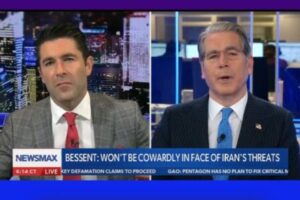



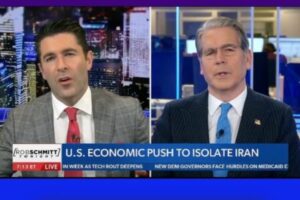
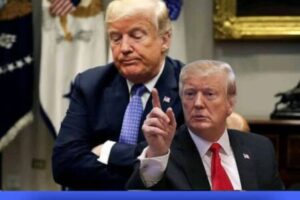
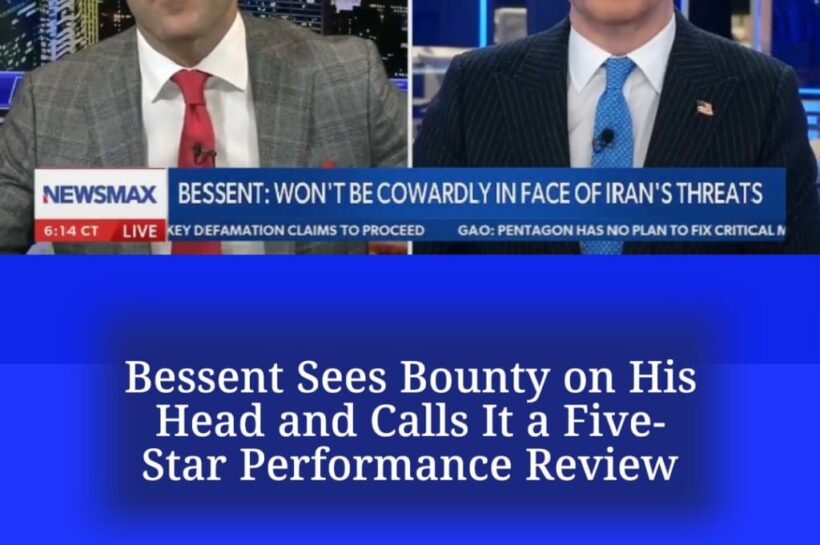









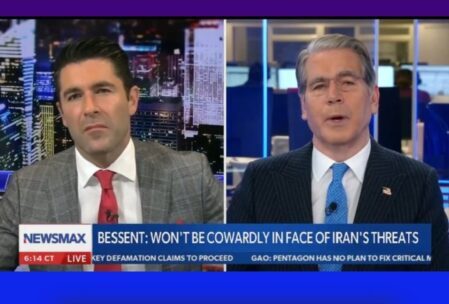
U.S. Treasury Secretary Scott Bessent appears increasingly confident that Washington’s economic pressure campaign against Iran is delivering results, declaring that a bounty reportedly placed on his head is a sign of success rather than a reason to retreat. With President Donald Trump backing an aggressive strategy against Tehran, Bessent says Iran is running out of oil-export opportunities, financial resources and political options.
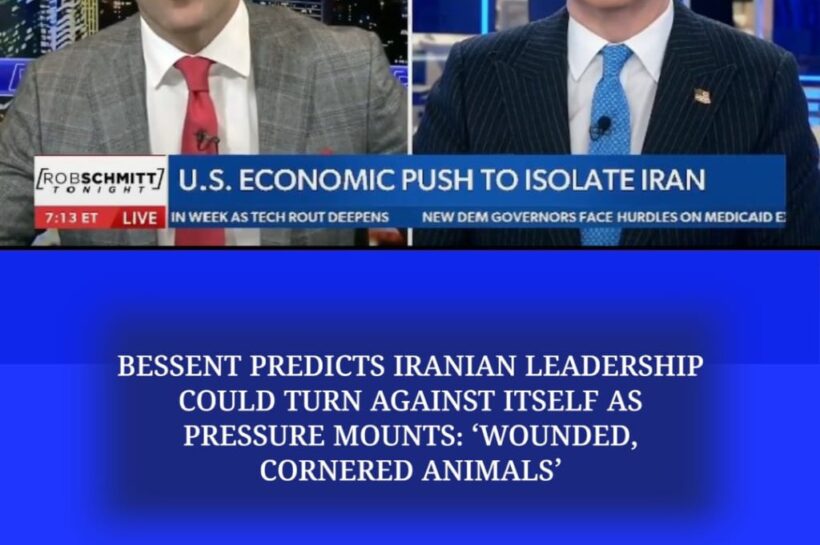
In a striking assessment of the situation, Bessent credited the U.S. Navy with helping bring Iranian oil shipments at sea to an unprecedented halt. He also suggested that Iran’s increasingly cornered leadership could eventually be forced to negotiate or begin turning against itself. Apparently, Tehran’s economic problems have become so serious that even the country’s leadership is preparing citizens for a difficult winter.
IRAN’S OIL BUSINESS FACES A HISTORIC SHUTDOWN
Bessent’s latest comments highlight the growing impact of Washington’s military and financial pressure on Iran. According to the Treasury secretary, Iran has no oil on the water for the first time since it began producing petroleum, following the U.S. naval blockade and the administration’s Operation Economic Outcast. The campaign is designed to restrict Tehran’s ability to sell oil, access international financial networks and generate revenue for its government.
The U.S. Treasury Department has also intensified sanctions against individuals accused of helping Iran manage proceeds from oil sales and evade restrictions. In its November 20 announcement, the department said no oil had been loaded onto vessels since the operation began. For Tehran, this is more than an inconvenience in the shipping business; it is a serious financial headache with consequences extending far beyond the oil industry.
BESSENT REFUSES TO BE INTIMIDATED AS TEHRAN WARNS OF A HARD WINTER
Bessent’s confidence has not been shaken by reports of a bounty on his head. Instead, he described the threat as a sign that the administration’s pressure campaign is succeeding. He also maintained that Washington would not be intimidated, suggesting that Iran’s leadership was becoming increasingly desperate as its economic difficulties mounted. While some officials might consider a bounty a reason to reconsider their daily security arrangements, Bessent appears determined to treat it as an unexpected performance review.
Meanwhile, Iranian President Masoud Pezeshkian has acknowledged that the country faces a difficult winter, warning of serious economic and energy challenges. He described the situation as an economic war that could prove even more difficult than conventional military confrontation. Bessent believes the mounting pressure could leave Tehran with two major choices: return to negotiations or allow internal tensions to deepen as different factions struggle over the country’s future.
Ultimately, the confrontation is becoming a major test of economic endurance, military pressure and political survival. While Washington believes its strategy is weakening Tehran’s ability to finance its operations, the consequences for ordinary Iranians could be severe. Whether the pressure produces a negotiated settlement or further instability remains to be seen. Stay with OGM News for further updates as this developing international story unfolds.

I was looking for a reliable spot to unwind and this platform exceeded my expectations....