

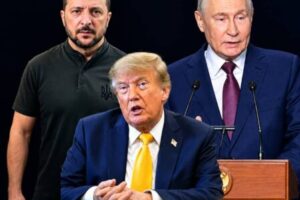







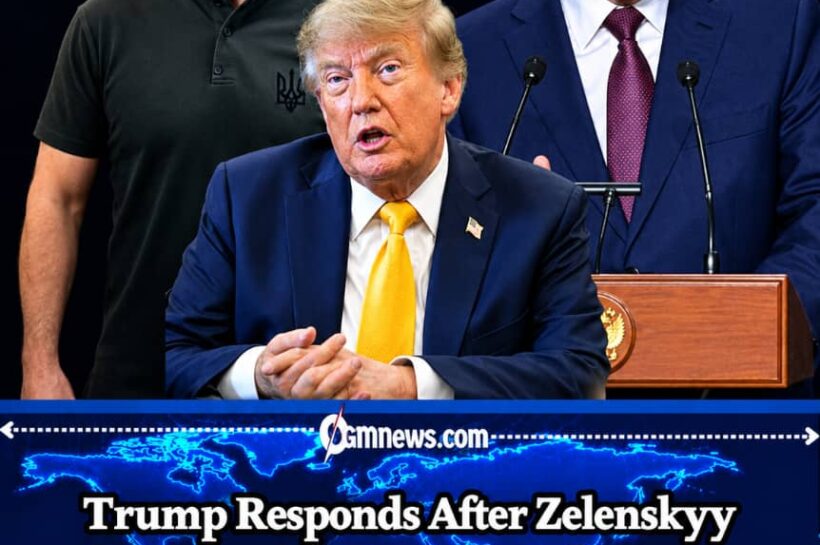

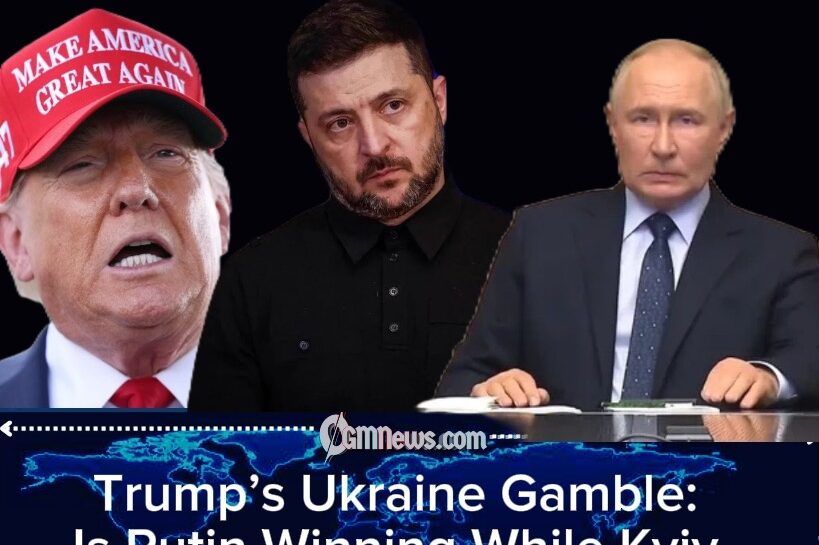









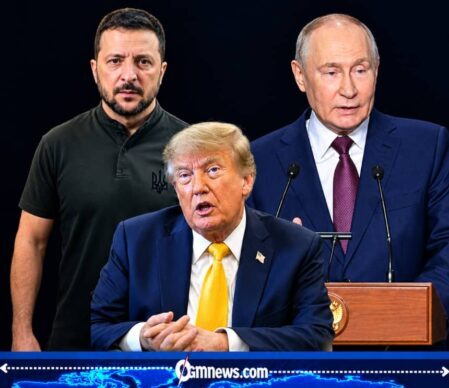
U.S. President Donald Trump has offered a brief response after Ukrainian President Volodymyr Zelenskyy argued that Russia’s latest missile and drone attacks demonstrate that Russian President Vladimir Putin has not changed his position on the war or shown a genuine commitment to peace.
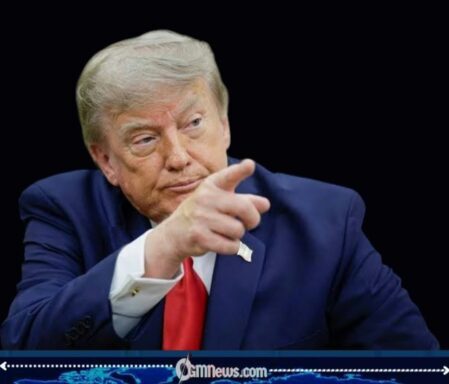
Asked how he viewed Zelenskyy’s assessment, Trump replied: “Well, we’ll see how it works out. That’s been happening a lot.”
The exchange comes amid renewed international efforts to negotiate an end to the war, but Russia’s latest bombardment of Ukrainian cities has raised fresh questions about whether diplomatic discussions are producing meaningful changes on the battlefield. The attacks followed talks between Putin and U.S. special envoy Steve Witkoff in St. Petersburg, where discussions included the possibility of restarting trilateral negotiations involving Russia, Ukraine and the United States.
Russia Launches Fresh Attacks as Peace Efforts Continue
Russia launched a major overnight assault against Ukraine on October 22, including ballistic missile attacks on Kyiv and strikes across multiple regions. Ukrainian authorities reported deaths and injuries, with residential buildings, energy facilities, transport infrastructure and other civilian sites damaged.
Zelenskyy argued that the timing of the attacks was significant because they came shortly after another round of diplomatic discussions. He said the strikes demonstrated that Moscow’s position had not genuinely changed and called on Ukraine’s international partners to maintain pressure on Russia while providing additional air-defense supplies.
The latest attacks have also intensified concerns about Ukraine’s ability to defend its cities as winter approaches. Kyiv has been seeking additional Patriot interceptor missiles to protect against Russian ballistic missile attacks, while Ukrainian officials have warned that delays in receiving critical supplies could leave the country more vulnerable.
Russia, meanwhile, has continued its own military operations and reported intercepting hundreds of Ukrainian drones. Both countries have maintained their attacks despite renewed diplomatic activity, underscoring the distance that remains between negotiations and a lasting ceasefire.
Trump’s Cautious Response Raises Questions About His Strategy
Trump’s response was notably brief. Rather than directly endorsing Zelenskyy’s conclusion or dismissing it, the president said the situation would have to be assessed as events developed.
The remark comes as Trump has publicly expressed optimism about the prospects for a peace agreement, recently saying negotiators were perhaps closer than ever to ending the war. His administration has also pursued renewed discussions with Moscow, while making policy decisions on Russian sanctions and energy supplies that have generated criticism from Ukraine and some European partners.
The contrast between Trump’s optimism about negotiations and Zelenskyy’s concerns about continued Russian attacks highlights the central challenge facing the diplomatic process: whether talks can produce changes in Russia’s military conduct and lead to terms Ukraine considers secure.
Zelenskyy has supported renewed negotiations but has also insisted that diplomacy must be accompanied by real pressure on Moscow. Ukraine rejects Russian demands that it surrender additional territory in the eastern Donetsk region and accept sweeping restrictions on its military and international partnerships, arguing that such terms could leave the country exposed to future aggression.
Can Diplomacy Deliver a Lasting Peace?
Russia has indicated that it is prepared in principle to resume trilateral negotiations with Ukraine and the United States in November. However, the parties remain divided over territorial questions, security guarantees and the future military relationship between Ukraine and Western countries.
The latest attacks have therefore become a test of whether diplomatic engagement can influence events on the ground. Zelenskyy argues that continued Russian strikes undermine claims that Moscow is changing course, while the Trump administration continues to explore negotiations as a way to bring the conflict to an end.
For Ukraine, the immediate priorities remain protecting civilians, securing additional air-defense equipment and preventing further territorial losses. For Washington, the challenge is to advance negotiations without overlooking the military realities shaping Ukraine’s position.
Trump’s statement that events will have to “work out” leaves open how his administration will respond if Russia continues large-scale attacks while negotiations proceed. The effectiveness of the diplomatic effort will ultimately depend on whether the parties can agree on concrete steps that reduce violence and address the security concerns at the heart of the conflict.
Trump’s brief response to Zelenskyy’s warning reflects the uncertainty surrounding the latest effort to end Russia’s war against Ukraine. While Washington continues to pursue negotiations, the latest Russian strikes have reinforced Kyiv’s argument that diplomatic discussions alone have not yet changed Moscow’s conduct.
The coming weeks will be important in determining whether the proposed talks produce tangible progress or whether the conflict continues despite renewed diplomatic engagement. For Ukraine and its allies, the central question remains whether negotiations can deliver a peace that is both lasting and secure.
Follow OGM News for continuing coverage of the Trump administration, the Russia-Ukraine war and the diplomatic decisions shaping international security.

The registration process was so simple and I started playing within minutes. Promotions come in...