
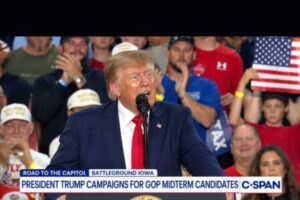








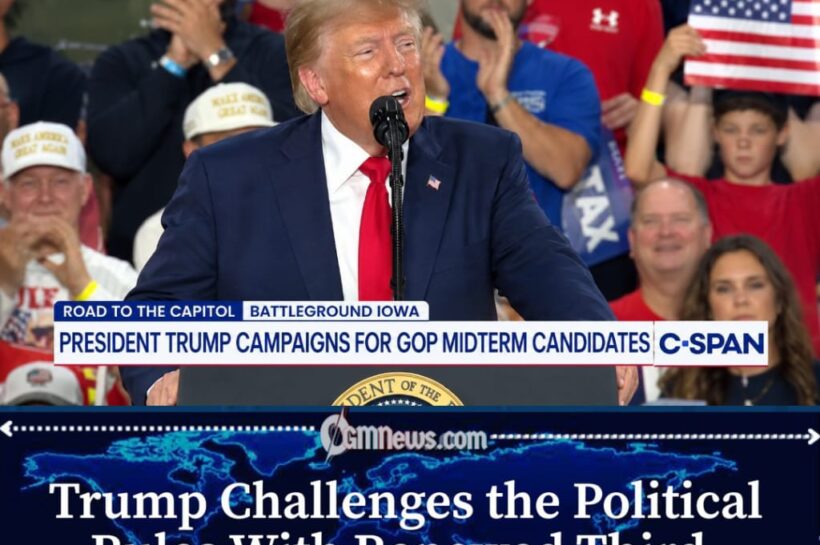




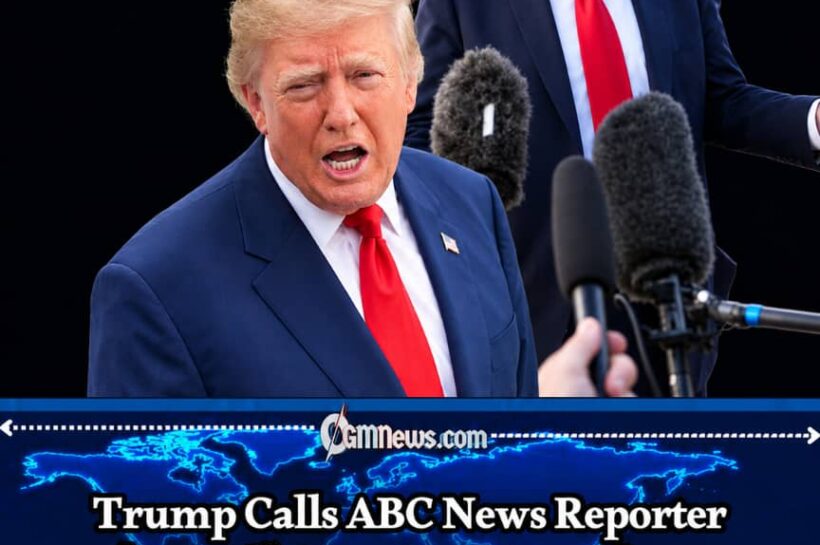

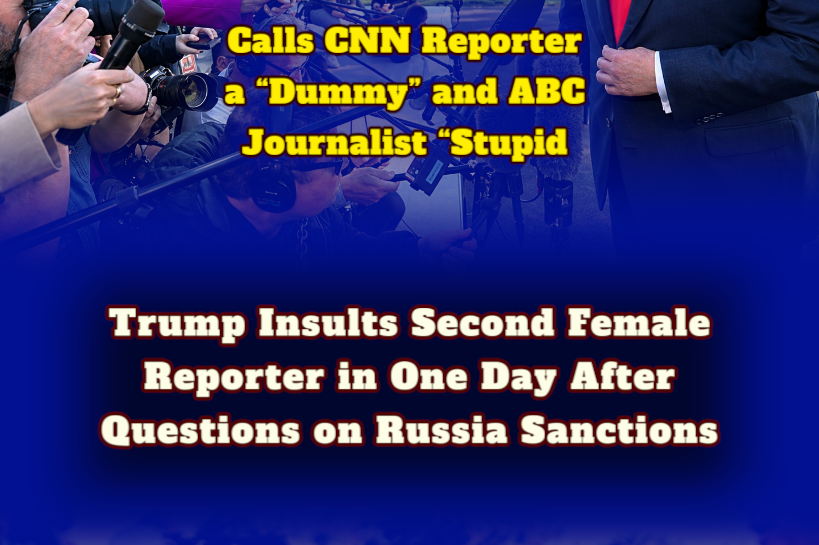

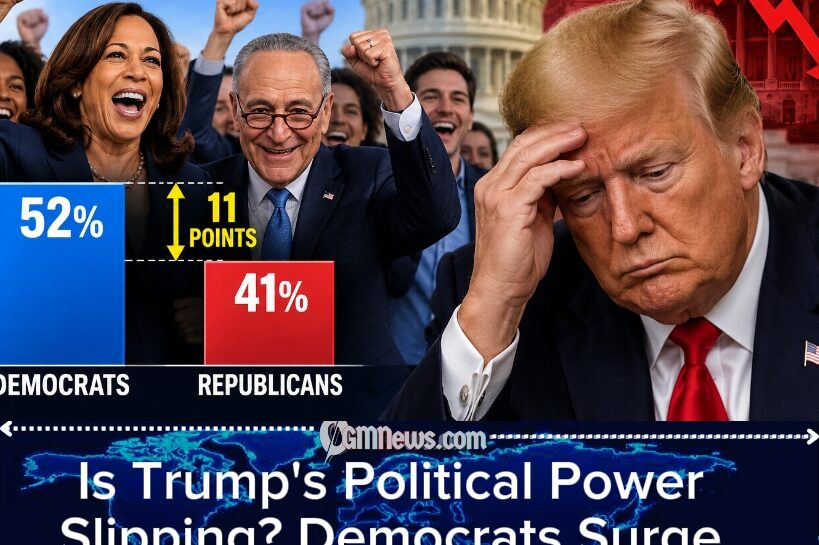
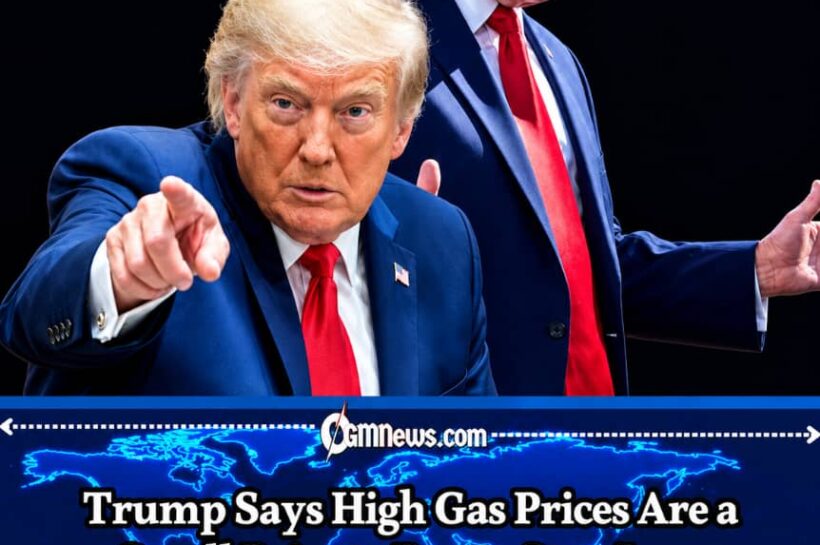




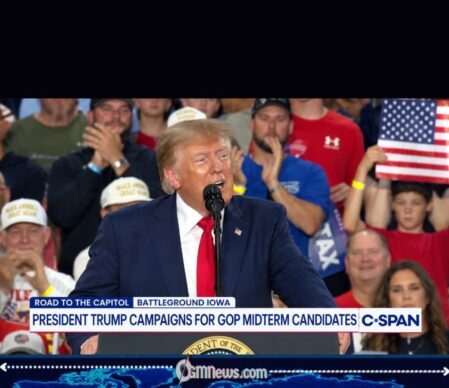
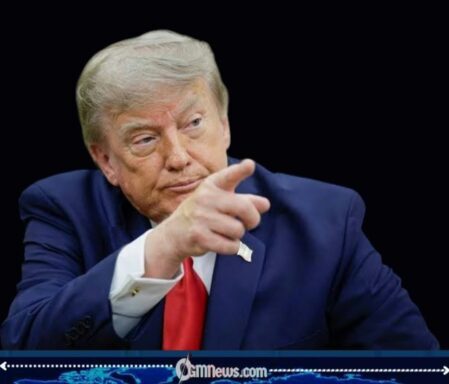
WASHINGTON, D.C. — US President Donald J. Trump has reignited debate over presidential term limits after suggesting that he has the right to seek another term because, in his view, he was cheated in a previous election. His argument has once again placed the possibility of a third presidency in the political spotlight, raising questions about constitutional restrictions, election disputes and whether political grievances can become a substitute for legal permission.
In February 2026, Trump publicly floated the idea of serving another term, arguing that he was entitled to one because of alleged election cheating. The comments have kept speculation about his political ambitions alive, even though the US Constitution imposes a clear limit on how many times a person can be elected president. In a political world where the rules are sometimes treated like suggestions, Trump’s latest remarks offer plenty of material for satire—and a serious constitutional question beneath the humour.
THE PRESIDENT HAS A CASE, BUT DOES THE CONSTITUTION AGREE?
Trump’s argument appears to follow a simple political calculation: if he believes an earlier election was unfair, he should be allowed another opportunity to occupy the Oval Office. In this interpretation, an alleged past injustice becomes a reason to request another presidential term. Critics, however, may wonder whether the next step is to demand extra time in office whenever a president believes the scoreboard was unfair.
The problem for this political argument is the 22nd Amendment to the US Constitution, which generally prohibits anyone from being elected president more than twice. Trump won the 2016 and 2024 presidential elections, making the constitutional restriction central to any discussion of another elected term. No declaration of entitlement can, by itself, remove that limit. In other words, the Constitution does not appear to offer an additional-term voucher for politicians who dispute an election result.
ELECTION DISPUTES MEET THE POLITICS OF ANOTHER RUN
Trump’s remarks also revive arguments surrounding the 2020 election, which he continues to describe as unfair. However, claims of widespread fraud sufficient to change the outcome were not substantiated by the available evidence or established through the legal challenges that followed. His renewed allegations should therefore be understood as his position, not as proof that the election was stolen.
For political observers, the controversy creates an unusual spectacle: a sitting president discussing another presidential run while constitutional term limits remain firmly in place. The satirical question practically writes itself: if every disputed election creates a demand for another term, will future candidates campaign on policies, promises and national development—or simply request another turn at the presidential microphone? Beneath the joke lies a serious issue about respect for electoral outcomes and the constitutional rules governing political power.
Trump’s latest comments have once again placed the third-term question before the American public, but expressing a desire to serve again does not establish a legal right to do so. As the debate continues, readers should watch OGM News for further updates on Trump’s political ambitions, the constitutional limits on presidential service and the reactions that follow. In Washington, the argument may continue—but the Constitution still has a vote in the matter.


The registration process was so simple and I started playing within minutes. Promotions come in...