







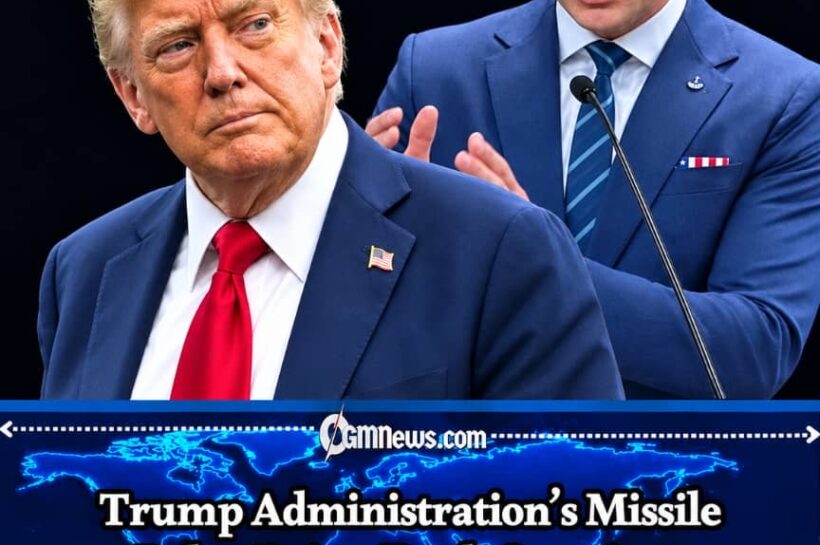




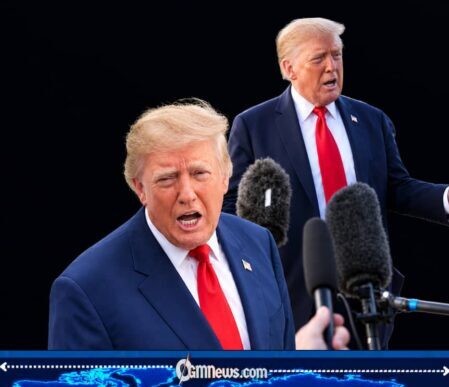
U.S. President Donald Trump has sparked another confrontation with the press after insulting an ABC News reporter who questioned whether his decision to waive sanctions against Russia amounted to a concession to Moscow in exchange for the release of American detainee Stephen Hubbard.
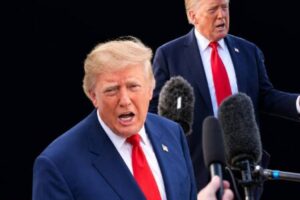
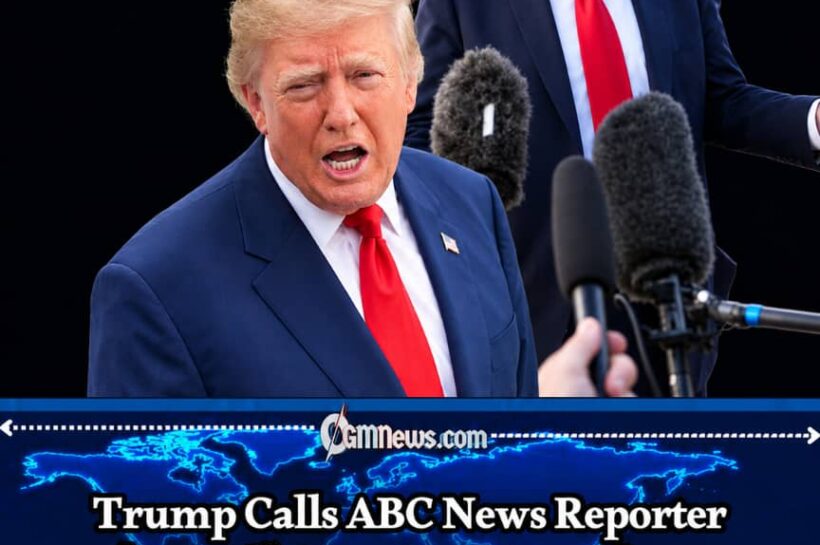
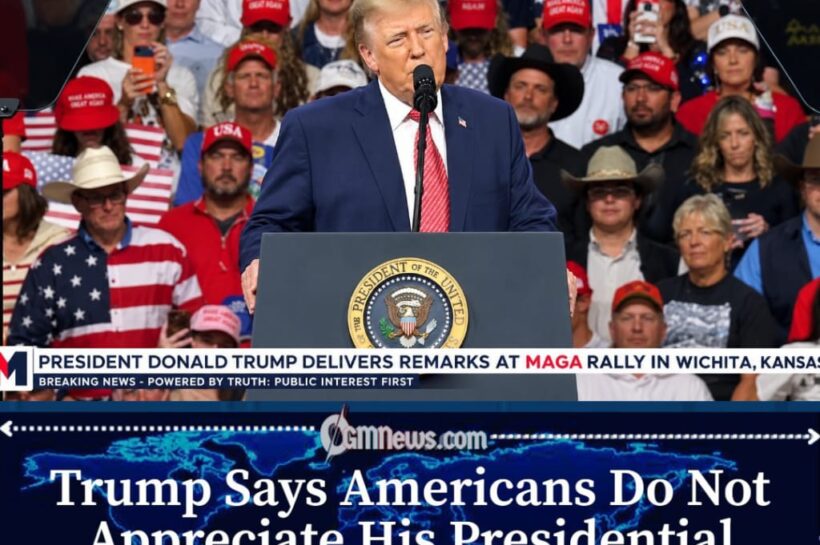
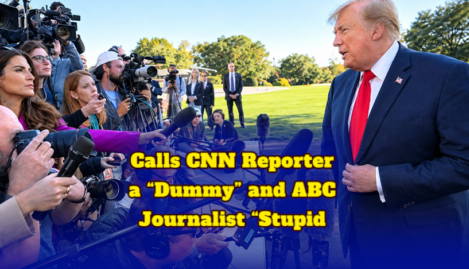
During an exchange with reporters on Wednesday, October 21, ABC News correspondent Karen Travers pressed Trump on his decision to delay the implementation of new sanctions targeting Russia. Instead of directly addressing her question, Trump challenged her intelligence, asking, “Are you a stupid person? Who do you work for?”
When Travers identified ABC News as her employer, Trump responded, “You’re a stupid person. Your network is the worst.” The confrontation came as the president defended his handling of negotiations with Russian President Vladimir Putin, insisting that his administration had secured Hubbard’s release without an exchange.
The Sanctions Question Trump Did Not Want to Leave Unanswered
The confrontation centred on a straightforward question: if Trump delayed sanctions while negotiating Hubbard’s release, could that decision be considered a concession to Russia?
The administration had recently waived certain sanctions against Moscow shortly before they were due to take effect. Trump subsequently argued that imposing the sanctions would have jeopardized negotiations for Hubbard’s freedom. On Wednesday, he went further, saying that if the sanctions had been implemented, Hubbard could have remained imprisoned in Russia for decades.
Trump maintains that Russia did not receive anything in exchange for releasing Hubbard. However, his own explanation indicates that the decision not to impose sanctions was connected to the negotiations. That distinction is central to the controversy: a policy decision can influence diplomatic negotiations without being a formally agreed prisoner exchange.
The available reporting does not establish that Russia explicitly demanded the sanctions waiver as a condition for releasing Hubbard. Nevertheless, Trump’s explanation has raised questions about whether Washington gave Moscow a diplomatic or economic advantage while securing the American’s return.
Stephen Hubbard’s Release and the Diplomatic Fallout
Hubbard, an American retiree who had been detained in Russia since 2022, was released after more than four years in custody. Russian authorities had accused him of fighting as a mercenary for Ukraine, allegations disputed by Hubbard’s family and legal representatives. The U.S. government had designated him as wrongfully detained.
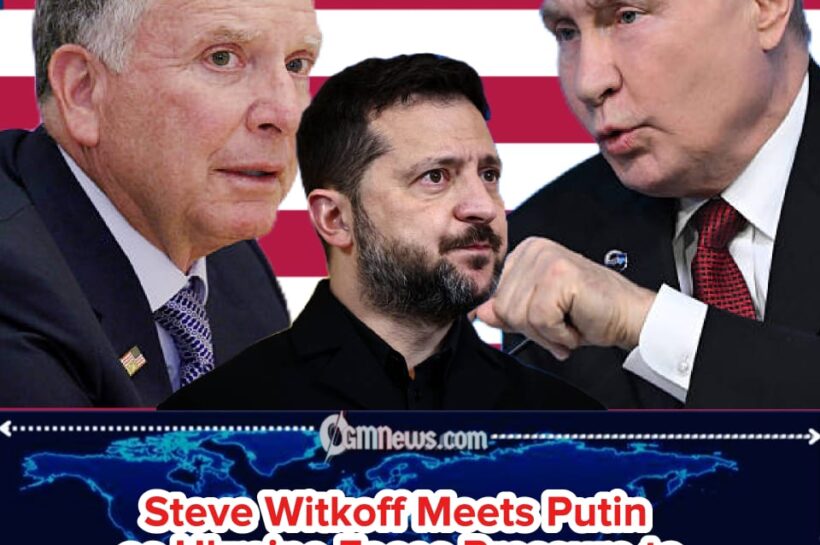
Trump said he personally raised Hubbard’s case with Putin and credited his negotiations for the release. U.S. special envoy Steve Witkoff also praised Putin following the announcement, describing the Russian president as a humanitarian in the context of Hubbard’s return.
The release was welcomed as positive news for Hubbard and his family. But it also arrived amid broader concerns about Washington’s approach to Moscow, including the sanctions waiver and a Russian diesel-supply arrangement. Critics argue that easing pressure on Russia while the war against Ukraine continues could undermine efforts to hold the Kremlin accountable.
The administration’s position is that maintaining diplomatic flexibility can help secure results that might otherwise be impossible. The central dispute is whether the benefits of Hubbard’s release justify the decision to delay sanctions, particularly when the longer-term consequences for U.S. policy toward Russia remain uncertain.
A Press Confrontation That Leaves the Policy Question Open
Trump’s response to Travers turned a foreign-policy question into a confrontation over the media. Rather than simply explaining the distinction between a negotiated concession and a prisoner exchange, he attacked the reporter and her network personally.
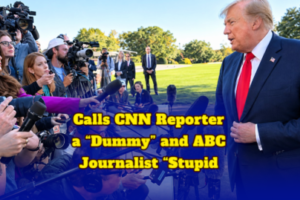
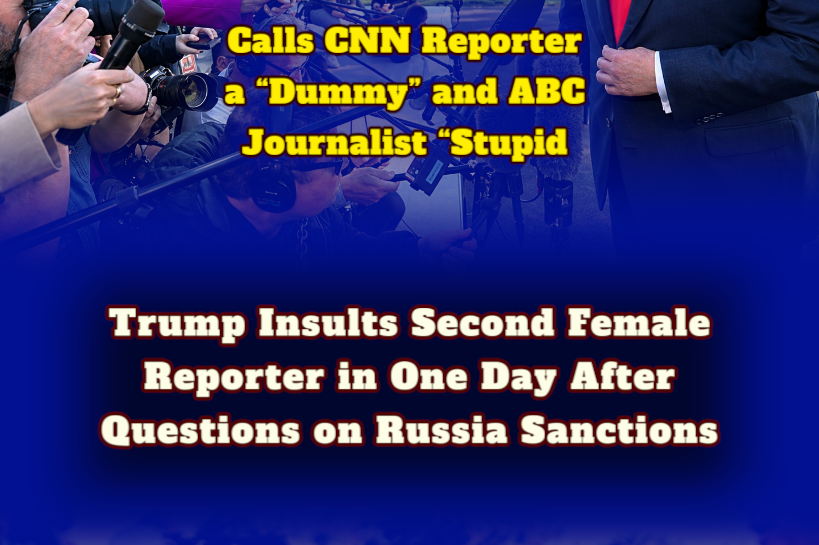
The exchange also followed a similar confrontation involving CNN correspondent Kaitlan Collins. When Collins questioned Trump about whether delaying sanctions had helped secure Hubbard’s release, he called her a “dummy” and a “low IQ person,” while insisting that she did not understand the negotiations.
Presidential press conferences are intended to give journalists an opportunity to question government officials about consequential decisions. Tough questions about sanctions, diplomatic negotiations and the treatment of American detainees are part of that responsibility. Personal insults do not resolve the underlying policy debate or establish whether the administration’s decisions were justified.
Ultimately, the key issue remains whether the sanctions waiver represented a reasonable diplomatic calculation or an unnecessary concession to Moscow. Hubbard’s release is a tangible outcome, but the precise terms of the negotiations and the wider consequences of the waiver deserve scrutiny.
Trump’s confrontation with ABC News reporter Karen Travers has intensified the debate over his Russia policy and his treatment of journalists. Although Hubbard’s release brought an American detainee home, questions remain about the role the sanctions waiver played in the negotiations and whether Washington gave Moscow a meaningful advantage.
Trump insists that his approach delivered a result without requiring an exchange. Critics, however, argue that withholding sanctions can itself have diplomatic significance, even without a formal agreement tying the decision to a prisoner’s release.
The issue now extends beyond one press conference: it concerns transparency, accountability and the balance between securing immediate diplomatic victories and maintaining pressure on Russia.
Follow OGM News for further updates on the Trump administration, U.S.-Russia relations and the foreign-policy decisions shaping international affairs.

Logging in is a breeze and the site stability is amazing even during peak hours....