
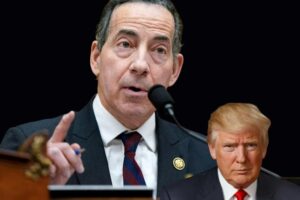








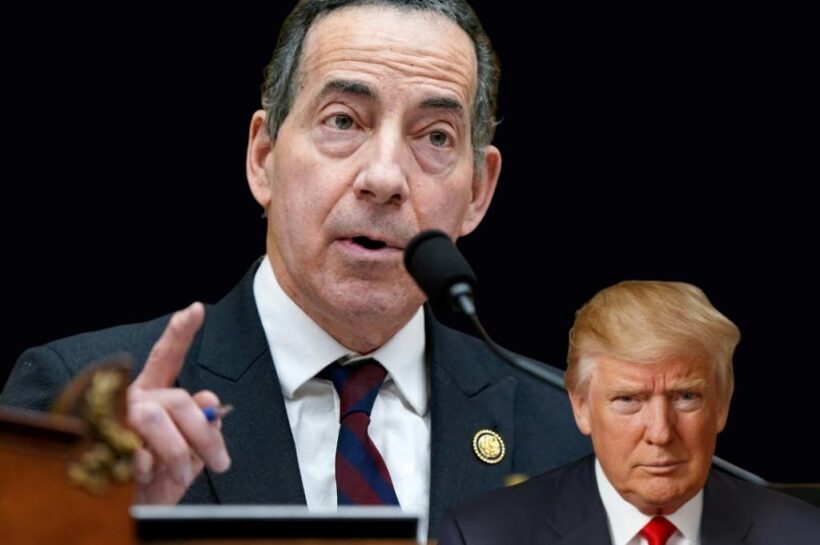







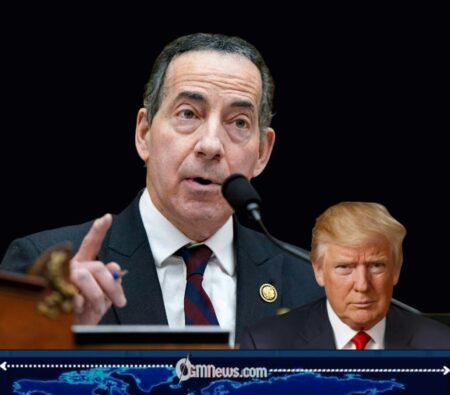
Democratic Congressman Jamie Raskin has accused President Donald J. Trump’s administration of censoring the press after the White House barred the Associated Press (AP) from certain presidential events over its refusal to adopt the administration’s preferred name, “Gulf of America,” for the body of water internationally known as the Gulf of Mexico. The dispute has raised serious questions about press freedom, political retaliation, and whether access to the White House should depend on how a news organization chooses to describe geographical locations.
Raskin, a prominent Democratic voice on constitutional issues, has framed the controversy as more than a disagreement over words. In his view, punishing a news organization for its editorial terminology threatens the independence of the press and risks turning presidential access into a reward for political compliance. The White House, meanwhile, has defended its position amid the broader controversy surrounding Trump’s renaming initiative. In this satirical account, the political battle over a name becomes a reminder that a government can change its preferred vocabulary without automatically winning the argument over press freedom.
Raskin Sounds the Alarm as a Geographic Name Becomes a Constitutional Battleground
Raskin has condemned the White House’s treatment of the Associated Press, arguing that excluding the news organization over its terminology amounts to viewpoint discrimination. The dispute gained national attention after the AP continued using “Gulf of Mexico” in its reporting while acknowledging the Trump administration’s preferred terminology where appropriate. The White House’s response turned an editorial decision into a high-profile confrontation over who gets access to the president and under what conditions.
In the satirical court of political absurdity, a map has apparently become a test of loyalty. Journalists may now find themselves caught between describing the world as they understand it and describing it as the administration would prefer. While governments routinely make naming decisions, the central issue is whether reporters can be penalized for maintaining independent editorial standards. Raskin’s criticism puts that question firmly on the table, with press freedom at the centre of the argument.
White House Access Row Raises Questions About Press Freedom
The Associated Press is a major international news agency whose reporting is used by media organizations across the world. Its dispute with the White House therefore extends beyond one newsroom or one presidential event. If access to official briefings and other presidential activities becomes conditional on adopting the administration’s preferred language, critics warn, the consequences could reach far beyond the Gulf naming controversy. A press corps expected to scrutinize power cannot do its job effectively if independent editorial choices become grounds for exclusion.
The irony is difficult to miss: an argument over what to call a body of water has developed into a debate over the boundaries of presidential authority. The administration’s supporters may view its preferred terminology as a legitimate expression of presidential policy, while its critics see the restrictions imposed on the AP as a troubling attempt to influence independent reporting. Raskin’s accusation adds political weight to an already contentious dispute, leaving a fundamental question hanging over Washington: should a reporter’s access to the president depend on the words used in a news report?
The controversy underscores the importance of protecting independent journalism, particularly when government officials and news organizations disagree. Jamie Raskin’s accusation against President Trump has placed press freedom back in the political spotlight, while the AP dispute illustrates how a seemingly narrow naming disagreement can grow into a broader constitutional debate. Readers should watch OGM News for future updates as the story develops and the competing arguments over presidential authority, editorial independence, and the freedom of the press continue.
Hi,how are you