
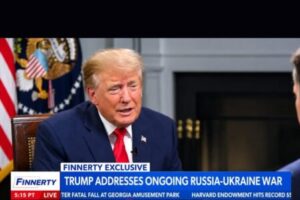
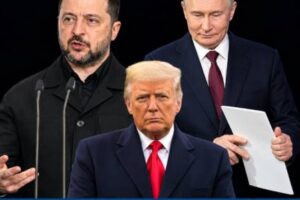






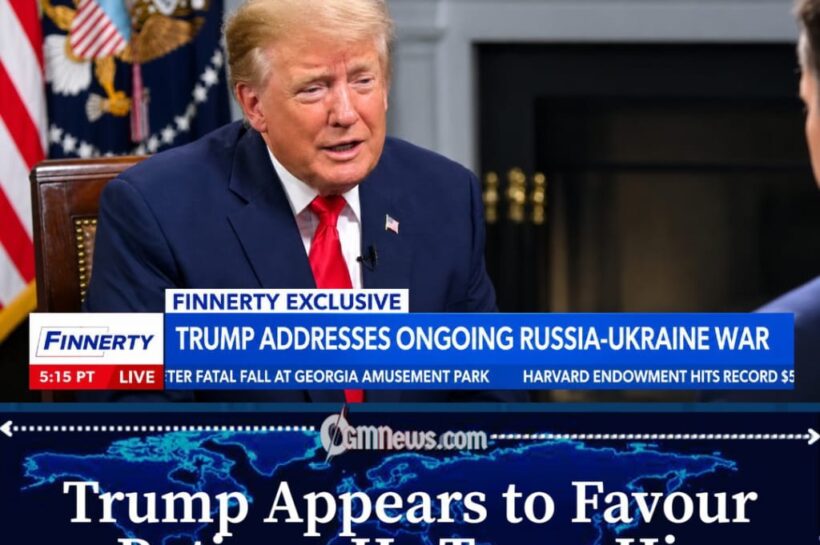
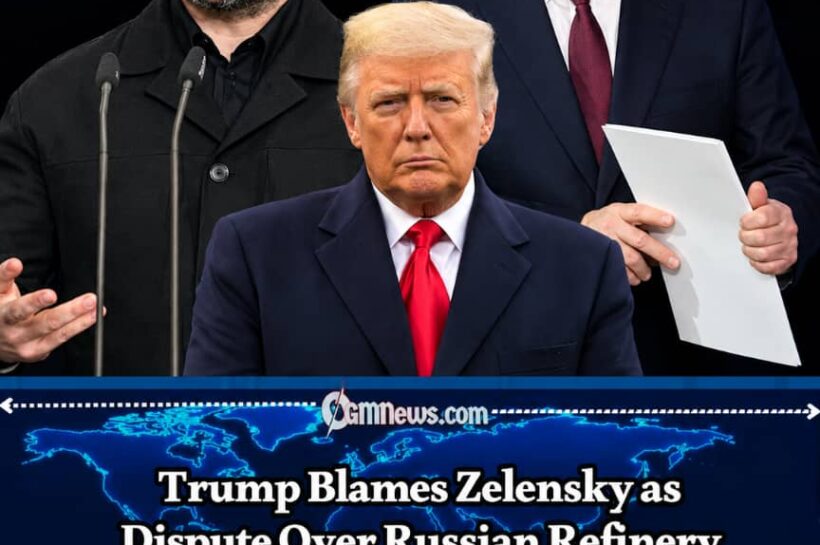


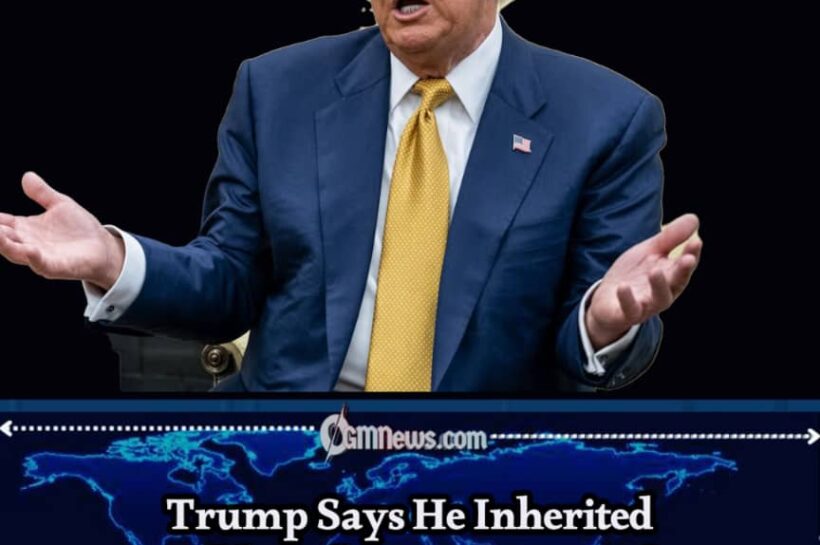

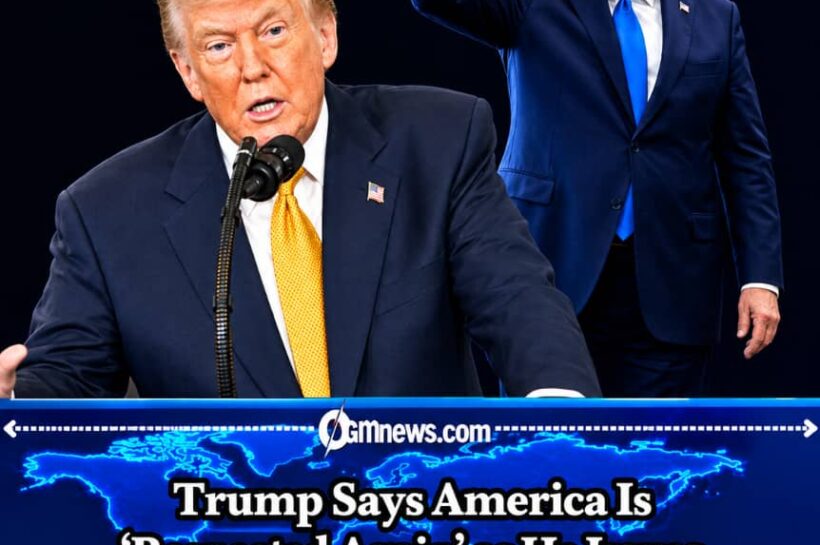



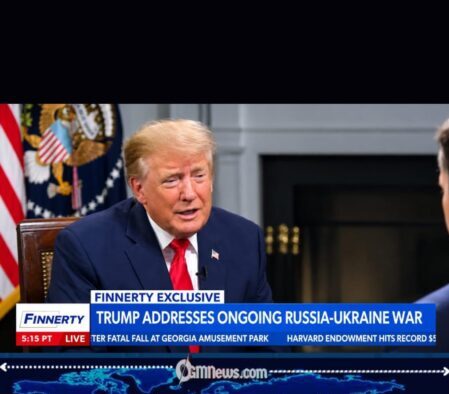
President Donald J. Trump has reignited debate over the future of the Russia-Ukraine war after sharply criticising Ukrainian President Volodymyr Zelensky and suggesting that negotiating with him is more difficult than dealing with Russian President Vladimir Putin. In the remarks provided to OGM News, Trump described Zelensky as “not a good guy for us to deal with” and questioned whether the Ukrainian leader genuinely wanted a settlement. The comments have added another layer of controversy to an already complicated diplomatic struggle, raising questions about Washington’s approach to Kyiv and Moscow.
Trump Questions Zelensky’s Commitment to Peace
Trump’s criticism centres on his belief that Zelensky says he wants peace but does not demonstrate sufficient willingness to reach an agreement. “He says he wants to settle, but he doesn’t,” Trump argued, presenting the Ukrainian president as a difficult partner in negotiations. The accusation puts Zelensky under renewed political pressure, even as Ukraine continues to seek a settlement that protects its sovereignty and security.
In the world of diplomacy, where every word can become a negotiating weapon, Trump’s assessment could complicate relations between Washington and Kyiv. Supporters of a tougher approach may welcome his willingness to challenge Ukraine’s leadership, while critics may question whether publicly attacking an ally helps bring a war closer to an end. Apparently, the road to peace is not only paved with difficult decisions; it is also crowded with leaders who disagree about who is making the journey harder.
Putin Gets a Diplomatic Comparison as Controversy Grows
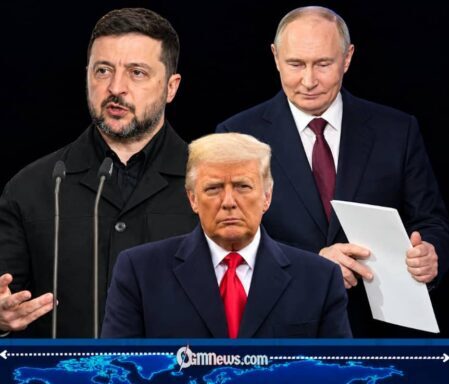
Trump went further by saying he finds Zelensky more difficult to deal with than Putin. The comparison is politically explosive because Russia launched its full-scale invasion of Ukraine in February 2022, triggering a devastating conflict and years of international efforts to support Ukraine and pressure Moscow. Describing negotiations with Putin as easier than dealing with the leader of the invaded country is therefore likely to intensify debate over Trump’s diplomatic priorities.
The statement does not, by itself, establish that Trump has formally sided with Russia or endorsed Putin’s actions. However, it gives critics fresh grounds to question whether Washington’s negotiating strategy places greater pressure on Kyiv than on Moscow. For a president who has made ending the war a major political objective, the challenge is to demonstrate that a quicker agreement would also be a credible and lasting peace, rather than simply a faster announcement from the negotiating table.
Peace Talks Face Another Test
Trump’s remarks have put Zelensky’s negotiating approach back under the spotlight while raising difficult questions about the balance of American diplomacy toward Ukraine and Russia. Whether the comments lead to renewed negotiations, deeper tensions with Kyiv or a change in the pressure applied to Moscow remains to be seen. OGM News will continue to follow the developing story, examining what these statements mean for the war, international relations and the prospects for a lasting peace.
mjpKyJqtopJmUkjsHEeNp