





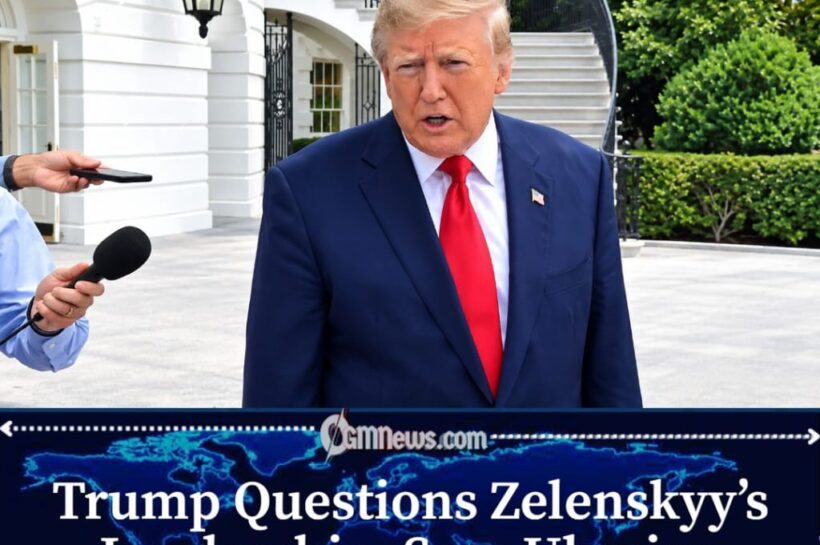




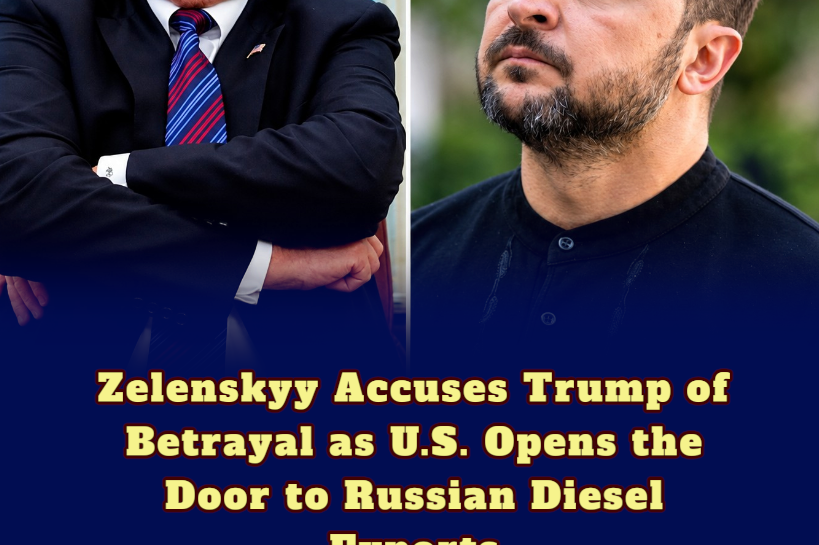
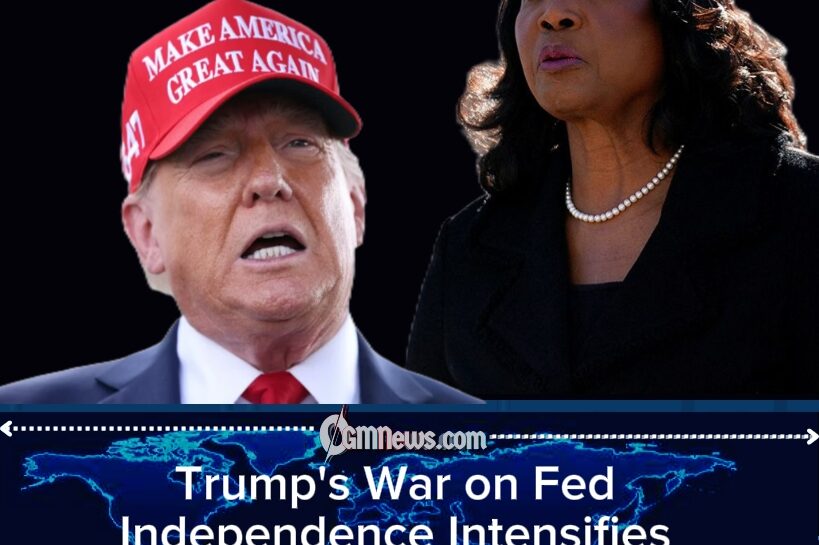




President Donald Trump has launched another public attack on Ukrainian President Volodymyr Zelenskyy, arguing that Ukraine should hold an election and claiming its leader has repeatedly missed opportunities to negotiate an end to Russia’s war. Trump’s remarks, delivered on October 10, come amid growing tensions between Washington and Kyiv following a controversial agreement involving Russian diesel supplies. The American president maintains that Zelenskyy could have reached a peace deal several times but failed to do so. For Ukraine, however, the question is not simply whether a deal can be signed, but whether any agreement would protect its sovereignty and prevent another Russian invasion.
Trump Questions Zelenskyy’s Leadership as Peace Negotiations Face New Pressure
Trump’s criticism has become increasingly direct, with the president suggesting Ukraine needs a leader who can reach an agreement with Moscow. He has also questioned why Zelenskyy has not held another election since Russia launched its full-scale invasion in February 2022. Trump’s remarks place additional pressure on the Ukrainian president at a time when Kyiv is seeking continued international support while trying to negotiate an end to the conflict. Yet Trump’s assertion that Zelenskyy could have settled the war multiple times remains his assessment of the negotiations, rather than proof that Ukraine could have secured an acceptable and lasting peace agreement on those occasions.
The election issue, meanwhile, requires important context. Ukraine’s presidential election has been postponed during martial law, imposed following Russia’s full-scale invasion. Holding a nationwide election during an ongoing war presents substantial legal, security and logistical challenges, including the participation of soldiers, displaced citizens and Ukrainians living under Russian occupation. Trump’s demand therefore raises questions that extend beyond his personal criticism of Zelenskyy: when can a country at war safely and legitimately hold an election, and who should determine that timetable? These questions cannot be answered simply by demanding that a vote take place.
The Diesel Dispute Adds Fuel to an Already Tense Relationship
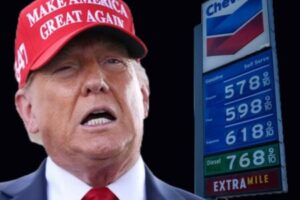
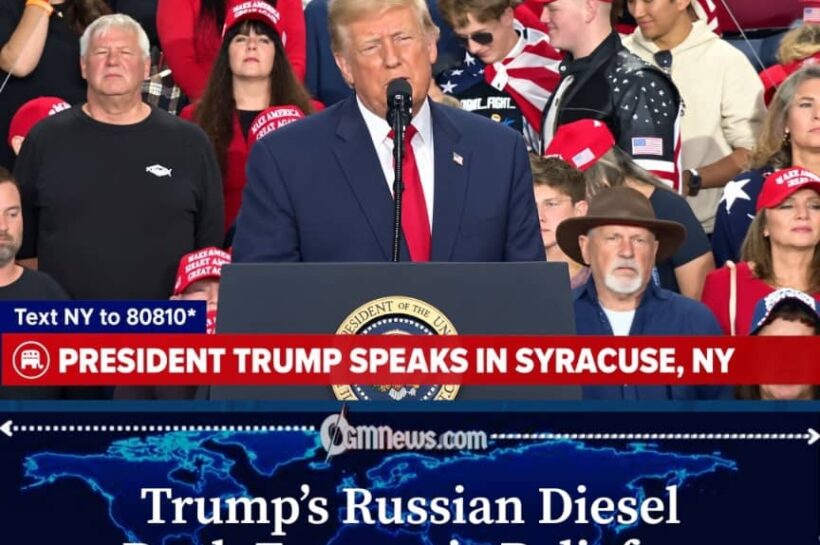
The latest exchange follows a controversial arrangement involving Russian diesel supplies announced by Trump after discussions with Russian President Vladimir Putin. Trump has presented the deal as a way to increase fuel availability and ease pressure on American consumers and businesses. Zelenskyy, however, has criticised the arrangement, warning that additional revenue from Russian energy exports could help Moscow finance its war against Ukraine. The disagreement has widened the diplomatic divide between Washington and Kyiv, with energy prices, military strategy and peace negotiations increasingly entangled.
Trump’s latest remarks also raise a difficult question about the conditions under which Ukraine could accept a peace agreement. Washington is pressing for a settlement, while Kyiv has strong reasons to be concerned about any arrangement that could leave it vulnerable to future Russian attacks. Ending the fighting is an urgent objective, but the terms of an agreement, the security guarantees behind it and the willingness of both sides to honour it will determine whether peace lasts. For now,
Trump is publicly questioning Zelenskyy’s leadership while the Ukrainian government continues to defend its right to determine the country’s political future. OGM News will continue following the diplomatic exchanges, the election debate and the search for a settlement that could bring the war to an end.
That was amazing