




























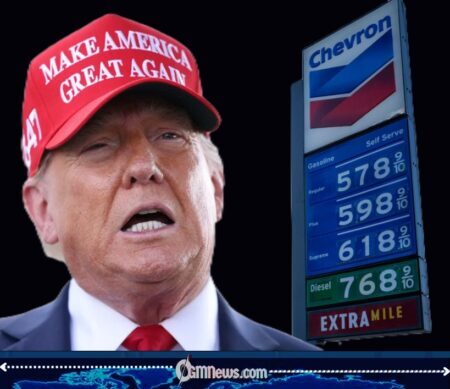
American motorists, truckers and farmers are facing another painful fuel-price challenge as diesel prices remain near record highs despite President Donald Trump’s efforts to increase supplies and offer temporary tax relief. With the average US diesel price reaching $6.28 per gallon on Friday, the administration’s latest interventions are facing a difficult test: can emergency oil releases and a temporary relaxation of diesel tax rules provide meaningful relief, or are they merely placing a small bandage on a global energy crisis that refuses to cooperate?
The pressure comes amid disruptions linked to the US-Israeli war on Iran and the continuing Russia-Ukraine war, which have tightened global fuel supplies and complicated efforts to bring prices down. For an administration preparing to defend narrow Republican congressional majorities in the November 3 midterm elections, expensive diesel is no longer just an energy-policy headache. It is also a political liability.
Trump’s Fuel Relief Measures Face Challenges as Diesel Prices Remain High
The Trump administration has promoted a G7 agreement involving the release of 100 million barrels of oil and petroleum products as an important intervention to ease prices. However, questions have emerged over whether the arrangement represents a substantial injection of new supplies or mainly accelerates the delivery of barrels already committed during an earlier emergency release in March.
A White House official disputed that interpretation, arguing that the earlier commitments did not specifically cover refined petroleum products. According to the official, the administration negotiated to have previously committed barrels delivered earlier, with diesel prioritised and releases beginning immediately. The White House maintains that Trump is addressing temporary supply disruptions while pursuing longer-term energy policies. Yet the distinction between accelerating promised supplies and creating additional supplies may matter little to truckers watching their operating costs climb.
Energy analyst Bob McNally, president of Rapidan Energy Group, has argued that a durable end to the conflicts in the Arabian Gulf and between Russia and Ukraine would be the most effective way to reverse the upward pressure on oil prices. Without that development, he warned, policy options could deliver only marginal benefits or even prove counterproductive. In other words, Washington can announce emergency measures, but it cannot simply order international energy markets to calm down.
Red-Dyed Diesel: A Tax Break with a Complicated Road Ahead
The administration has also authorised the temporary use of red-dyed diesel on public roads through the end of the year. The fuel is chemically similar to ordinary diesel but is coloured to identify it as fuel normally exempt from the 24.4-cent-per-gallon federal highway tax. The executive order defers the federal tax and waives certain penalties for using off-road fuel on highways, with the aim of providing relief to drivers facing soaring costs.
However, the initiative has encountered practical obstacles. Major retailers and fuel marketers remain cautious about selling the fuel because of uncertainty over tax liabilities, distribution arrangements and possible penalties when vehicles cross state lines. The potential savings also appear modest when diesel costs more than $6 a gallon. David Fialkov, who represents the NATSO trade group for truck stops and travel centres, has questioned whether established retailers will be willing to participate under the current arrangements. Summa Energy president John Tirado described the initiative as a “Band-Aid on a much bigger problem.”
The White House says more than 4,000 retailers distribute dyed diesel and expects Treasury Department guidance to clarify the rules. Officials argue that the savings could outweigh the cost of detours for truckers seeking the fuel. Nevertheless, economist Caspian Conran of Baringa has identified the deeper problem as a tight global market for refined petroleum products rather than taxation alone. With disruptions affecting energy flows from the Middle East and refining output under pressure elsewhere, a temporary tax concession cannot guarantee a substantial or lasting fall in pump prices.
The political consequences could prove just as difficult as the economic ones. High living costs have become a major concern for voters, while farmers, truckers and rural communities—important Republican constituencies—are particularly exposed to diesel-price increases. A Reuters/Ipsos poll cited in the supplied report puts Trump’s approval rating at 32%, adding to the political pressure surrounding the administration’s handling of the economy. If fuel costs remain elevated, Republican candidates may find that promises of energy relief face a tougher test at the ballot box than at a White House press briefing.
As the November 3 midterm elections approach, Trump’s diesel strategy faces a race against both global market forces and public frustration. Emergency oil releases and red-dyed diesel may offer limited short-term breathing room, but a sustained reduction in prices will likely depend on broader improvements in global supply and geopolitical stability. Will the administration’s measures deliver relief before voters head to the polls, or will diesel prices become another costly political burden? Stay with OGM News for further updates on this developing story.


[…] […]