

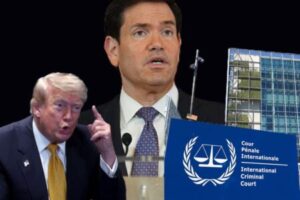



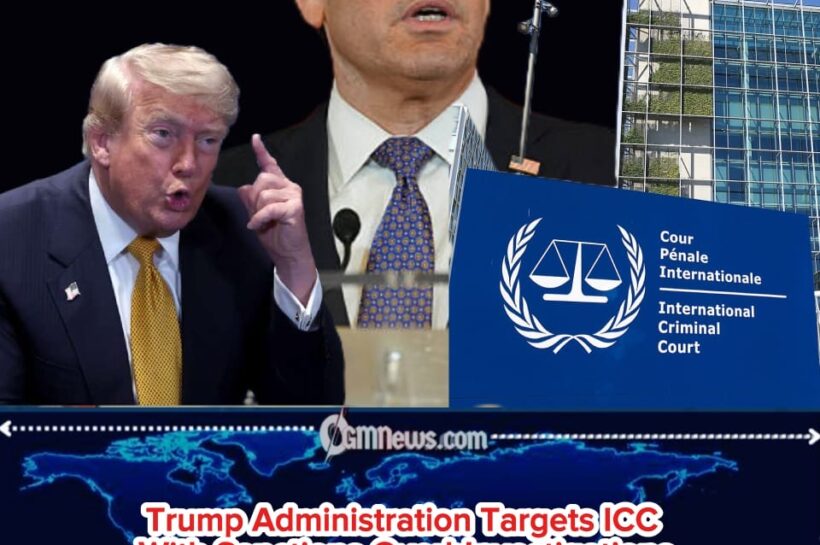










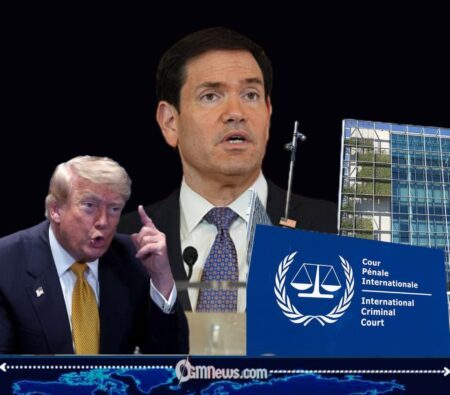
U.S. Secretary of State Marco Rubio has issued a warning to the International Criminal Court (ICC) as President Donald Trump’s administration imposes new sanctions against the institution over investigations and prosecutions involving Americans and Israelis.
The U.S. administration argues that the court has exceeded its authority by pursuing cases involving nationals of countries that are not members of the ICC. The measures have intensified an ongoing disagreement over the court’s jurisdiction, national sovereignty and the role of international justice.
The development has also raised concerns among supporters of the ICC, who argue that sanctions could affect its ability to investigate alleged international crimes and pursue accountability. The dispute highlights the continuing differences between Washington and countries that support the court’s work.
Marco Rubio Explains Washington’s Position on the ICC
Marco Rubio has defended the sanctions as a response to what the Trump administration describes as politically motivated actions against American and Israeli nationals. Washington maintains that the court should not exercise jurisdiction over its citizens without U.S. consent.
The administration’s objections include ICC investigations involving alleged crimes in Afghanistan and arrest warrants issued for Israeli Prime Minister Benjamin Netanyahu and former Defence Minister Yoav Gallant in connection with the war in Gaza. The United States and Israel are not parties to the Rome Statute, the treaty that established the court.
Rubio’s warning signals that Washington intends to maintain pressure on the institution unless its concerns are addressed. The administration’s approach reflects its broader opposition to the ICC exercising authority over nationals of countries that have not accepted the court’s jurisdiction.
Marco Rubio’s Position Draws Attention to International Justice
The ICC has rejected the sanctions, maintaining that it operates independently under its founding treaty and that its judicial responsibilities should not be obstructed by political pressure. The court’s position is that it can exercise jurisdiction in certain circumstances even when an accused person is a national of a country that is not a member.
Supporters of the court have also expressed concern that financial and operational restrictions could affect investigations, cooperation with member states and efforts to hold individuals accountable for serious international crimes. Human rights organisations have warned that weakening the institution could make it more difficult for victims to obtain justice.
The disagreement raises important questions about how international courts should exercise their authority when powerful countries challenge their jurisdiction. While Washington emphasises national sovereignty and the protection of its citizens, supporters of the ICC stress the importance of international accountability and the application of established legal standards. Marco Rubio’s warning and the Trump administration’s sanctions have added a new dimension to the longstanding dispute between the United States and the International Criminal Court.
The administration maintains that its actions are necessary to protect American sovereignty and challenge prosecutions it considers unjustified. The ICC and its supporters, however, argue that the sanctions could undermine the court’s independence and its efforts to address serious international crimes.
The outcome will depend partly on diplomatic responses, the implementation of the sanctions and whether the parties can find common ground on jurisdiction and accountability. OGM News will continue to monitor developments surrounding the dispute and its implications for international law.


[…] […]