



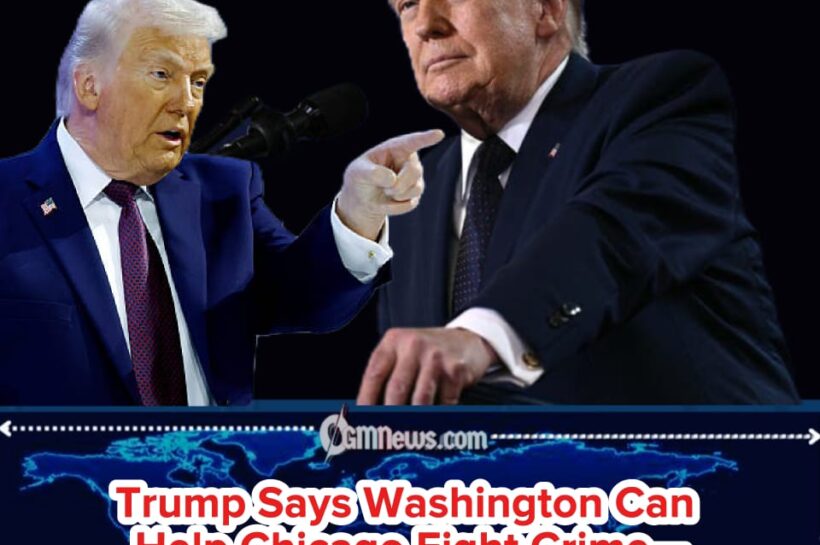
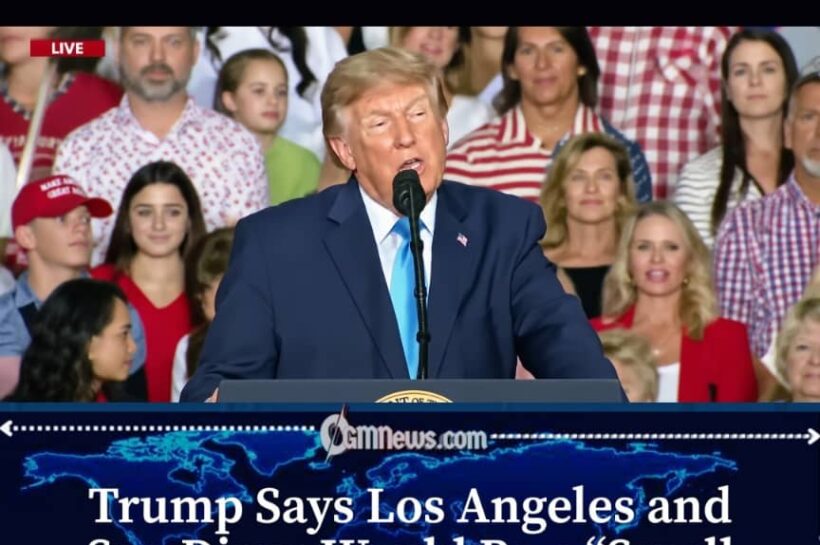

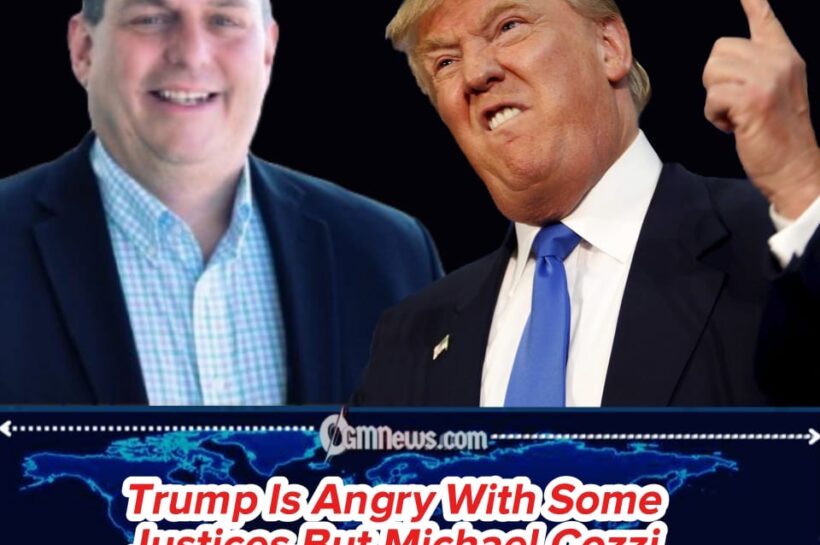



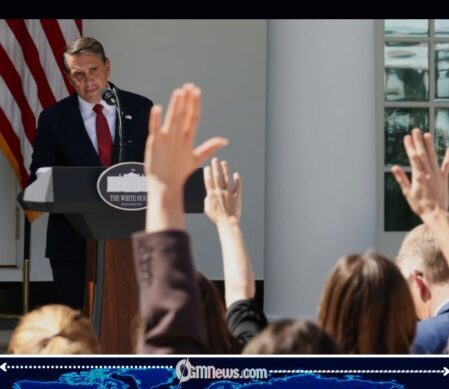
A political storm has erupted after Attorney General Todd Blanche argued that media coverage the Trump administration considers “one-sided” could become a national security concern serious enough to justify restricting press access to the White House and Air Force One. In a statement that quickly triggered debate over press freedom, government transparency, and the role of journalism in democracy, Blanche said inaccurate or misleading reporting could affect relationships with foreign allies and opponents.
The remarks have added fresh tension to the ongoing dispute between the current president Donald J. Trump’s administration and sections of the media. While the administration has repeatedly accused some outlets of unfair coverage, critics argue that limiting access to journalists raises major questions about accountability and the public’s right to information.
WHITE HOUSE ACCESS TURNS INTO A PRESS FREEDOM SHOWDOWN
Blanche’s comments have transformed a familiar political disagreement into a much bigger conversation about where the line should be drawn between national security concerns and open government. The Attorney General Todd Blanche suggested that what the administration views as misinformation could influence international relations, making media coverage a matter of national interest rather than just public debate.
The statement has created a dramatic scene where reporters, officials, and political observers are watching closely to see whether future White House rules could change the traditional relationship between presidents and the press. The idea of controlling access has sparked concerns that the press room could become another battlefield in America’s political struggles.
THE “NEWS POLICE” FEARS AS ADMINISTRATION DEFENDS ITS POSITION
Supporters of the administration argue that government officials should not be forced to provide unlimited access to journalists they believe are spreading inaccurate information. They say protecting national security and preventing false narratives from reaching international audiences are legitimate concerns for any government.
However, journalism groups and press advocates have historically argued that a free press plays a crucial role in checking government power. They maintain that disagreements over reporting should normally be addressed through public debate, corrections, and competing information rather than restricting access.
The controversy has now created a political drama where the biggest question is not only what information reaches the public, but who gets to decide what counts as fair reporting. As the debate continues, the White House press system faces renewed attention over transparency, trust, and the future relationship between government officials and journalists.
The clash over Todd Blanche’s comments highlights a growing battle over media responsibility, government communication, and press access during Donald J. Trump’s current presidency. As officials and journalists continue to debate the limits of national security arguments, readers should watch for future updates from OGM News as this developing story unfolds.
[…] […]