




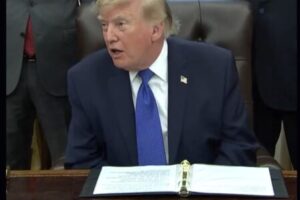



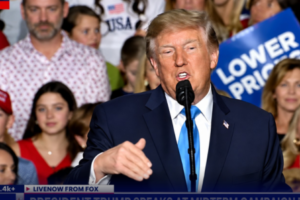





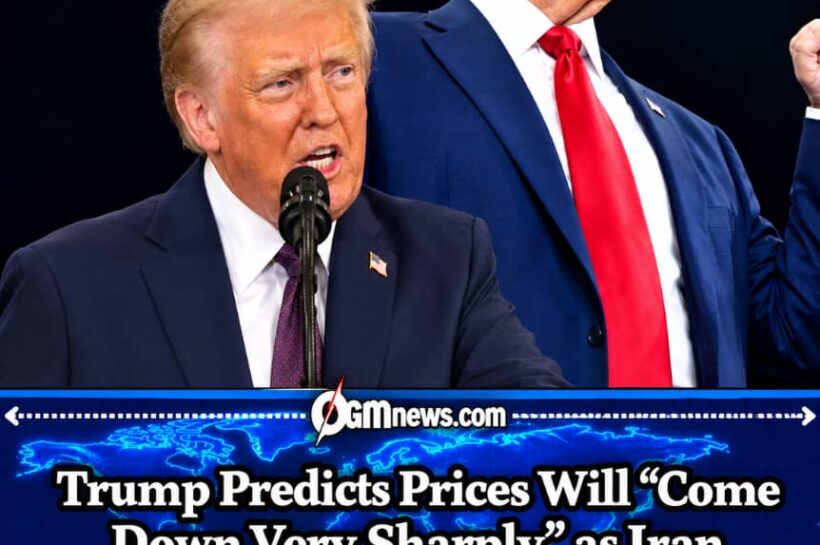










A political storm is gathering around the White House as two senior Democratic senators accuse the current president, Donald J. Trump, of turning environmental regulations into a potential loyalty programme for oil and gas companies that supported his 2024 presidential campaign.
According to a report launched by Senate Democratic Leader Chuck Schumer and Environment Committee Democrat Sheldon Whitehouse, energy companies allegedly received tax breaks, subsidies and regulatory relief after Trump reportedly sought $1 billion in campaign donations from the industry. The accusation has now placed America’s environmental rulebook under the microscope, with Democrats examining whether corporate generosity and government policy have become unusually close neighbours.
Senate Democrats Investigate Alleged Benefits Given to Trump’s Energy Supporters
The senators’ report reportedly draws on 19 investigations into Environmental Protection Agency actions, 13 investigations involving nine other federal agencies, and 13 probes into 88 companies described by the lawmakers as polluters. The findings could become a preview of the issues Democrats intend to investigate if they regain control of the Senate after the November midterm elections.
In Washington’s latest political comedy, the question is no longer simply whether money can influence politics, but whether it can also persuade environmental regulations to quietly pack their bags. Democrats argue that the pattern deserves scrutiny, while the administration has yet to respond publicly to the specific allegations contained in the report.
The White House did not immediately respond to a request for comment, leaving the public with a familiar Washington mystery: whether the silence reflects a busy schedule, a legal strategy, or simply another meeting about making America energy-dominant.
Trump: EPA Rolls Back Climate Rules as Industry Counts Its Savings
The controversy arrives as the Trump administration advances its effort to dismantle climate-related regulations introduced under former President Joe Biden. On September 14, 2026, the EPA announced the repeal of most provisions of Biden’s 2024 carbon pollution standards for fossil-fuel-fired power plants and proposed eliminating remaining greenhouse-gas standards for the sector.
The EPA says its actions could deliver more than $300 billion in savings, including an estimated $370 million in direct compliance costs under the proposed additional repeal. The agency argues that the changes will support affordable, reliable energy and strengthen American industry. Critics, however, warn that reducing environmental safeguards could transfer hidden costs to public health and the climate.
The contrast in financial calculations is striking. The EPA presents regulatory relief as a financial victory for businesses and families, while the Biden administration previously estimated that its power-plant emissions rule could generate approximately $370 billion in benefits, including reduced health costs associated with pollution. In this accounting contest, the numbers are enormous, but the beneficiaries remain the subject of political debate.
For Democrats, the central concern is whether environmental policy is being shaped by public interest or private influence. For the administration and its energy allies, the argument is that excessive regulation has hindered production and raised costs. Somewhere between those competing positions sits the American taxpayer, who may eventually discover that the price of political generosity is not always printed on the receipt.
As the allegations and regulatory changes continue to attract attention, the debate over oil money, environmental protection and presidential policymaking is far from over. Whether the Senate investigations uncover evidence of improper exchanges or merely deepen the partisan battle over energy policy, OGM News will continue monitoring developments in this unfolding Washington drama.

[…] […]