


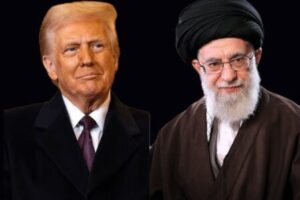






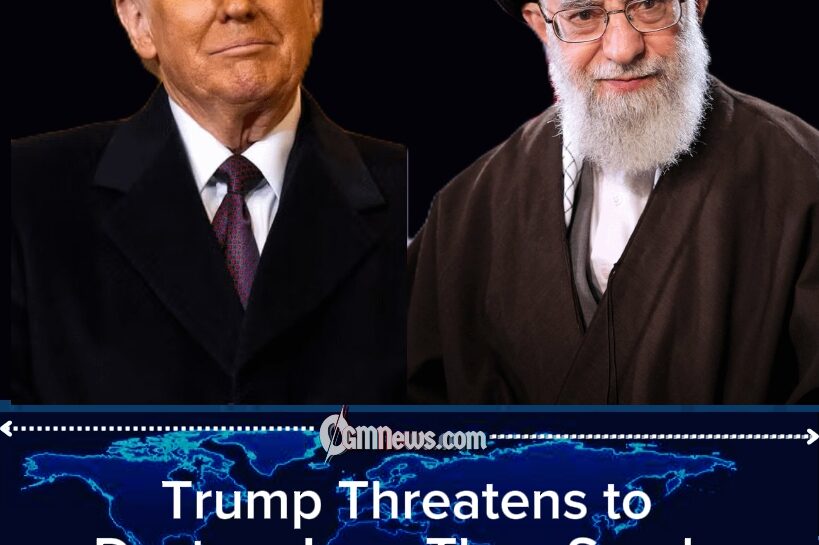






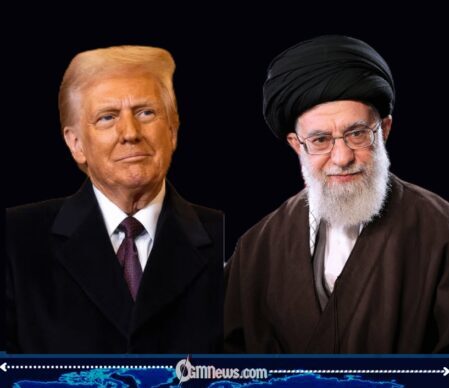
The United States and Iran have returned to the negotiating table for the first time since June, shortly after current President Donald J. Trump warned that Tehran could face annihilation if it failed to reach a peace agreement. The development has left international observers wondering whether Washington has discovered a new diplomatic strategy: threaten to destroy your negotiating partner, then politely ask whether they are available for a meeting. The reported talks took place on the sidelines of the United Nations General Assembly in New York, with Qatar serving as a mediator.
Trump: From “Annihilation” to “Constructive Dialogue”: The Diplomatic U-Turn
Trump reportedly described the discussions as productive while maintaining that Iran must not acquire nuclear weapons. His administration continues to frame its confrontation with Tehran as a campaign to prevent a nuclear threat and protect regional security. For the moment, however, the language of destruction and the language of negotiation appear to be sharing the same diplomatic office.
The reported meeting between U.S. envoy Steve Witkoff and Iranian Foreign Minister Abbas Araghchi, facilitated through mediators, represents a narrow diplomatic opening after months of hostilities. Neither side has announced a breakthrough, and major disagreements remain unresolved. Still, the fact that officials are talking suggests that even the most dramatic threats may eventually require the traditional tools of diplomacy—meetings, messages and people sitting around tables.
Hormuz Burns as Tehran Rejects the Language of Force By Trump Administration
While diplomats explored peace, the Strait of Hormuz delivered another reminder that the war’s consequences extend far beyond government speeches. Omani authorities reported that a commercial vessel was attacked near the country’s coast, killing one crew member and prompting the evacuation of 27 others. The vessel, identified in reports as the Antigua and Barbuda-flagged Cape Dao, caught fire after being struck by an unidentified projectile. Neither Iran nor the United States immediately claimed responsibility for the attack.
Iranian President Masoud Pezeshkian, addressing the United Nations, rejected accusations that Iran was the aggressor and described Iranians as victims of American and Israeli actions. He insisted that Tehran was ready for dialogue, diplomacy and negotiations—but not under the language of force. Meanwhile, Iran-backed Houthi rebels threatened to attack U.S. interests in the Middle East and close the Bab el-Mandeb Strait to American ships if Washington joined Saudi-led military operations against them in Yemen. It appears the region has developed a complicated definition of peace: everyone wants it, provided the other side stops moving first.
The White House, defending Trump’s approach, accused the Iranian regime of terrorism, attacks on regional neighbours and violence against Americans. Deputy press secretary Anna Kelly said the president was courageously working to prevent Iran from obtaining nuclear weapons. Tehran, however, maintains that it will not bow to pressure. With threats continuing alongside negotiations, the world is watching to see whether the latest diplomatic contact can produce a genuine path away from war—or merely another pause before the next warning. Follow OGM News for further updates as this tense chapter unfolds.

[…] […]