


























Judge Andrew Napolitano has weighed in on the growing legal battle between the Trump administration and three major news organizations over access to the White House. Napolitano explained that while the government can argue that access to the White House is a privilege rather than an absolute right, that authority does not give officials unlimited power to punish journalists because of their speech or reporting.
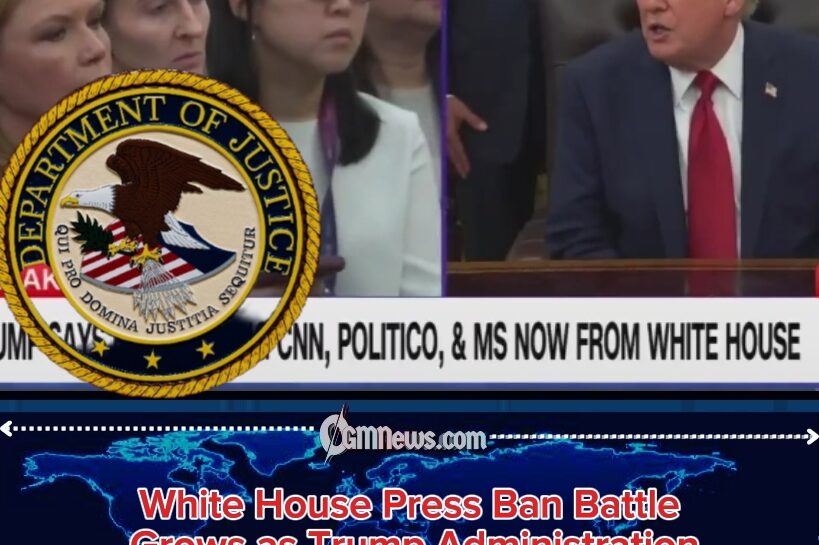
His comments come after CNN, MS NOW and Politico sued the Trump administration after their reporters were denied access to the White House and their credentials were deactivated. The news organizations argue that the restrictions violate their First Amendment rights, while the administration maintains that the First Amendment protects their ability to publish but does not guarantee them physical access to the White House.
Andrew Napolitano Draws the Line Between Access and Free Speech
Napolitano’s central argument is that there is a distinction between the government’s ability to regulate access to a particular facility and its constitutional obligation not to discriminate against journalists because of their speech. He acknowledged the administration’s position that White House access is a privilege, but emphasized that the government cannot use that privilege as a mechanism for restricting protected expression.
The legal dispute therefore goes beyond whether individual reporters have an automatic right to enter the White House. The key constitutional question is whether the administration’s decision was based on the content or viewpoint of the outlets’ reporting. CNN, MS NOW and Politico have alleged that their exclusion was retaliatory and violated First Amendment protections.
Andrew Napolitano Highlights First Amendment Questions
The three organizations were barred after President Donald Trump criticized their reporting and announced that they would no longer have White House access. Their reporters were subsequently denied entry, with credentials for CNN’s Betsy Klein, MS NOW’s Akayla Gardner and Politico’s Cheyenne Haslett deactivated or confiscated.
The administration has defended the restrictions by saying that journalists retain the right to publish but are not automatically entitled to a White House hard pass, briefing-room seat or place in the press pool. The dispute has nevertheless raised concerns among other media organizations, and the major television networks suspended their traditional White House pool coverage after CNN was prevented from carrying out its assigned role.
Andrew Napolitano’s Analysis Comes as Case Heads to Court
The case has been assigned to U.S. District Judge Timothy Kelly, with the news organizations seeking judicial intervention to restore their access. The lawsuit alleges violations of the First Amendment and due-process protections, while the administration is defending its authority to determine which journalists receive access to the White House.
For OGM News, Napolitano’s analysis places the dispute at the intersection of two competing principles: the government’s authority to control access to its facilities and the constitutional protection of press freedom. The court proceedings will determine how those principles apply to the administration’s decision to exclude CNN, MS NOW and Politico and whether the restrictions were permissible or unlawfully connected to the outlets’ reporting.


[…] […]