








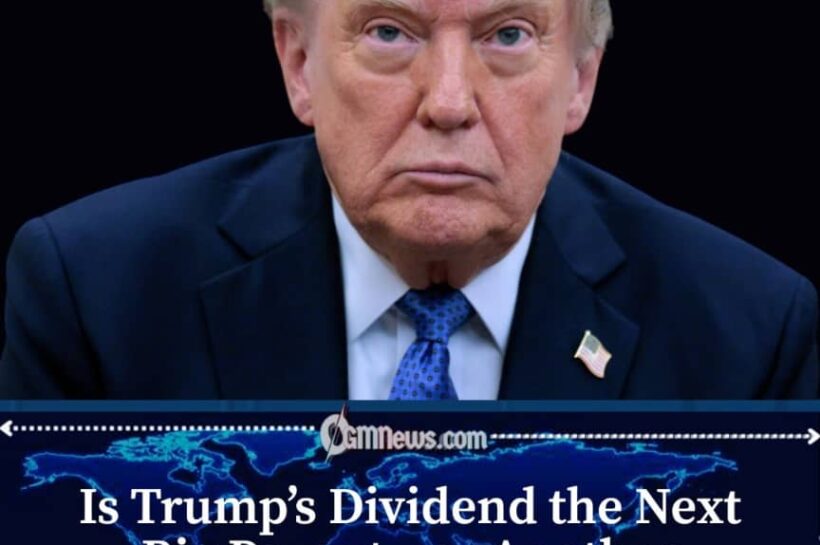








President Trump is heading into an unusually crowded international week, with the Iran war, China trade tensions, artificial intelligence and rare-earth supplies all competing for attention at the United Nations and beyond. The timing could hardly be more dramatic: while Trump weighs further military decisions involving Tehran, a new poll indicates that a large majority of registered voters believe his administration lacks a clear strategy for bringing the Iran conflict to an end.
The situation has effectively turned the president’s diplomatic calendar into a geopolitical traffic junction, where missiles, tariffs, computer chips and critical minerals appear to be waiting for the same green light. And, according to the latest reports, one of the biggest meetings of the week will come on September 24, when Trump is scheduled to host Chinese President Xi Jinping in Washington.
Iran War Puts Strategy Under the Microscope
The latest Fox News national survey, conducted September 11–14 among 1,211 registered voters, found that roughly seven in 10 respondents said the Trump administration lacks a clear strategy for ending the Iran war. The reported figure was 71% in the poll’s headline, with the survey showing particularly high concern among Democrats and independents, while 43% of Republicans expressed the same view. The poll carries a margin of sampling error of plus or minus three percentage points.
For the satirical newsroom observer, that leaves Washington with an awkward question: when a war has already occupied months of the calendar, how many strategy meetings does it take before somebody finds the exit door? Trump has continued to signal that major decisions concerning Iran are possible, while recent reporting says the conflict remains unresolved and is affecting regional security, shipping and energy markets.
Xi Meeting Turns the White House Into a Diplomatic Supermarket
While Iran supplies the military crisis, China is bringing the shopping list. Trump and Xi are scheduled to meet on September 24, with trade negotiations expected to include tariffs, Chinese purchases of American goods, technology restrictions and access to critical minerals. Rare earths are particularly important because they are essential to numerous high-tech and defence applications, giving the issue significance far beyond ordinary tariff negotiations.
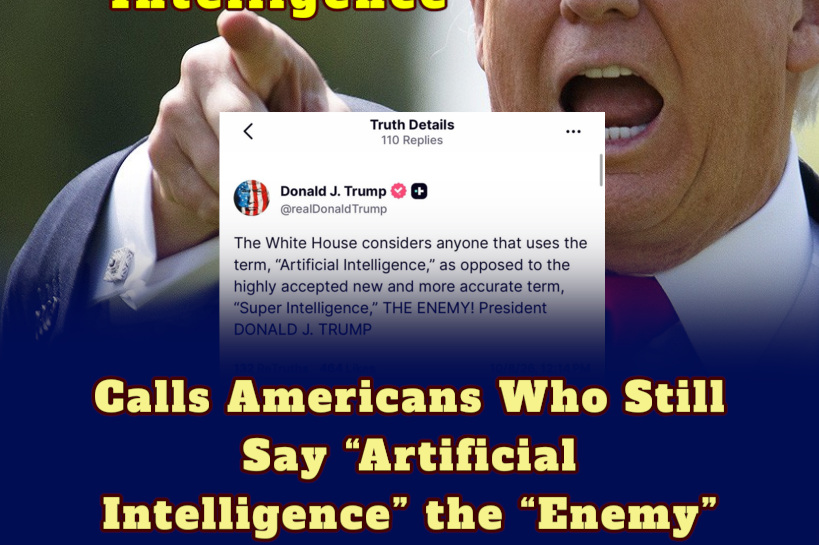
The United States is also reportedly expected to delay announcing new tariffs aimed at excess manufacturing capacity until after the Trump-Xi meeting. That means the tariff folder may remain closed for a little while longer, presumably while Washington checks whether diplomacy can accomplish something before another round of economic pressure takes centre stage. At the same time, AI has joined trade and rare earths on the summit agenda, turning the meeting into a remarkably broad conversation about who controls the factories, minerals, technology and rules shaping the next phase of the global economy.
The result is a week in which the current president faces several overlapping questions: what happens next in Iran, what happens next with China, whether new tariffs appear after the summit, and how Washington and Beijing manage the rapidly developing AI competition. The answers may not arrive in one neat package, but the world will certainly be watching for signals from New York and Washington.
OGM News will continue watching the unfolding Iran conflict, the Trump-Xi negotiations and the growing contest over AI, trade and rare earths. With military decisions, tariffs and technology all sharing the same diplomatic calendar, the next few days could produce developments that deserve more than one headline—so stay tuned for future OGM News updates.


[…] […]