

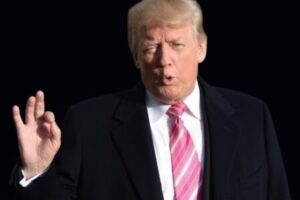

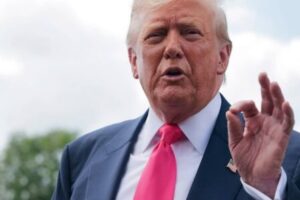







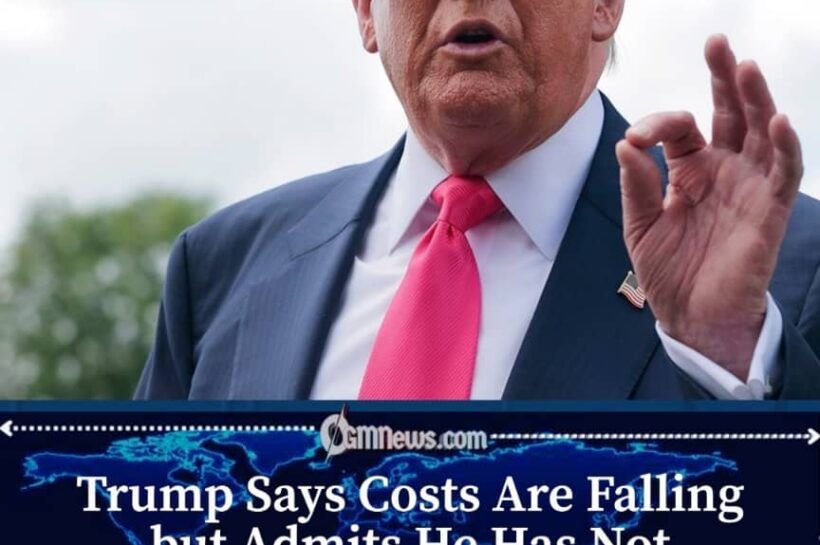

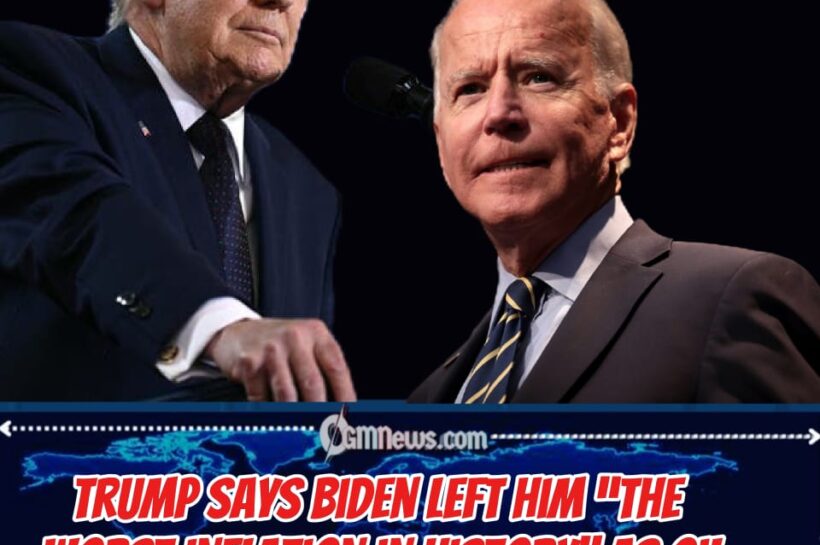











U.S. Senator Raphael Warnock has reignited the long-running political argument over Georgia’s 2020 presidential election, accusing current President Donald J. Trump of trying to cast doubt on the state’s electoral system ahead of the 2026 midterm elections. Warnock said Trump’s 2020 defeat in Georgia was established through counting, recounting, auditing and legal challenges, arguing that the issue should not be recycled as political ammunition whenever another election approaches. His comments arrive as election integrity and federal involvement in voting remain major issues in the 2026 political season.
Georgia’s 2020 Ballots Have Already Been Through the Electoral Washing Machine
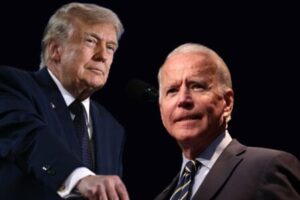
Warnock’s argument rests on a particularly stubborn piece of Georgia election history: President Trump lost the state’s 2020 presidential contest to Joe Biden by roughly 12,000 votes. Georgia conducted a statewide hand audit involving more than five million ballots, and the audit confirmed Biden as the winner. A separate machine recount requested by Trump’s campaign also upheld the original result. In other words, the ballots did not simply receive one quick glance before being sent home for the holidays.
Georgia election officials subsequently conducted additional reviews, including a signature audit in Cobb County that found no fraudulent absentee ballots. The state’s election authorities have continued to emphasize auditing as a central part of election integrity, with Georgia’s 2026 primary audits again finding more than 99% alignment between hand counts and machine counts. Apparently, Georgia’s ballots have now been examined so many times that some of them may qualify for their own performance reviews.
Warnock: The 2026 Election Arrives With the 2020 Argument Still Waiting at the Door
Warnock’s warning comes as the Trump administration continues to pursue measures concerning voting procedures and election oversight ahead of the November 2026 congressional elections. Recent disputes include efforts involving mail voting and voter-roll verification, moves the administration says are connected to election integrity while critics argue that federal intervention could create confusion or disenfranchise eligible voters.
That political environment gives Georgia’s old 2020 argument a new lease on life. Warnock argues that repeatedly questioning a settled election could become a political tool for influencing how voters view the next one. Satirically speaking, Georgia’s election records may soon need a “Do Not Disturb” sign, because every time Americans think the 2020 chapter is finally closed, another politician appears ready to reopen the book and check the same page again.
The larger issue remains whether election integrity should be strengthened through transparent audits and established procedures or turned into another battlefield in America’s increasingly heated political contest. Georgia’s documented audits provide substantial evidence about the accuracy of its 2020 count, while the 2026 election season is already generating fresh arguments about voting rules and federal authority. Readers should watch OGM News for future updates as the political drama develops—and as Georgia once again discovers that an old election argument can apparently survive longer than most campaign slogans.
[…] […]