











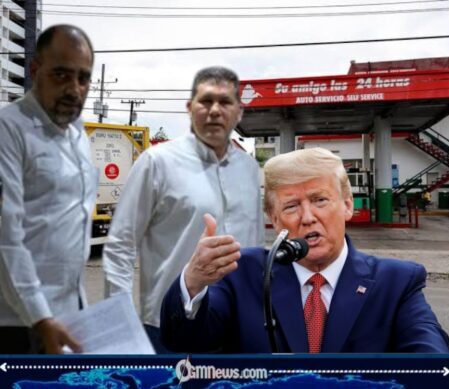
Cuba is facing another round of U.S. sanctions as its economic and energy crises deepen, putting even more pressure on an island already struggling with fuel shortages, prolonged blackouts and declining tourism. The latest measures announced by the Trump administration target Fidel Ernesto Castro, grandson of former Cuban leader Raúl Castro, as well as several Cuban companies, including Abapet, an entity involved in importing equipment and spare parts needed for the country’s deteriorating power grid.
Cuban Faces More Sanctions as Washington Bets Economic Pain Will Bring Political Change
The latest sanctions represent another escalation in President Donald J. Trump’s Cuba policy. U.S. authorities have increasingly targeted individuals and state-linked businesses they say contribute to the Cuban government’s power structure, corruption, repression or other activities Washington considers contrary to U.S. interests. A May executive order expanded the legal framework for sanctions against people and entities connected to sectors including energy, mining, finance and security.
This week’s action carries an especially striking twist because one of the targeted entities, Abapet, is involved in obtaining specialized equipment and spare parts for Cuba’s electricity infrastructure. That means the sanctions are landing while the country’s aging grid is already struggling badly. Recent reporting indicates that blackouts have become increasingly severe, with outages in some areas lasting more than a full day as fuel supplies dwindle. In satirical terms, Washington has essentially looked at an island asking its electricity grid for one more miracle and decided to send the grid a sanctions notice instead.
Washington Escalates Cuba Pressure Despite Worsening Hardship on the Island
The wider crisis extends well beyond electricity. Cuba’s tourism industry has suffered a dramatic decline, with international arrivals reportedly falling 62% during the first seven months of 2026 compared with the same period last year. Fuel shortages have disrupted airlines and other businesses, while the country’s broader economic difficulties have contributed to inflation and shortages of essential goods.
At the same time, Havana is attempting economic reforms designed to attract foreign investment, simplify business procedures and open additional opportunities in areas such as tourism, real estate and private services. Those reforms represent a significant shift for Cuba’s traditionally state-dominated economy, but the new sanctions threaten to make investment and procurement more difficult at precisely the moment the government is trying to persuade outside investors that Cuba remains open for business.
The result is a complicated confrontation in which Washington says intensified pressure is necessary to challenge Cuba’s government, while Havana blames U.S. restrictions for worsening conditions affecting ordinary Cubans. The immediate question is whether additional pressure will force meaningful political change or instead deepen the humanitarian and economic problems already confronting the population. With sanctions continuing to arrive while Cuba attempts its own economic overhaul, OGM News will be watching closely to see whether the pressure produces a breakthrough, another escalation, or simply another chapter in the island’s extraordinarily long geopolitical tug-of-war.
[…] […]