


























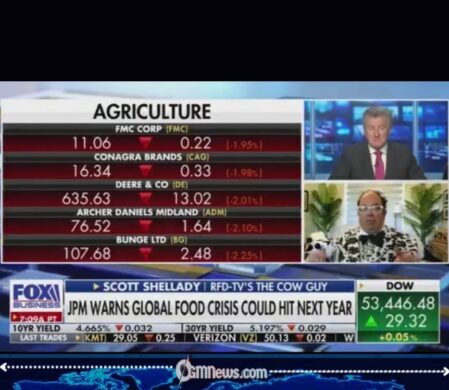
A fresh warning linked to JPMorgan’s analysis has turned the global food conversation from “what’s for dinner?” into “will dinner still be affordable?” JPMorgan has warned that the Iran conflict and disruption around the Strait of Hormuz could damage fertiliser supply chains and push global food inflation higher. Its April analysis estimated that food inflation could temporarily reach 4–5%, while a later JPMorgan analysis highlighted the additional threat posed by weather disruption and a possible El Niño.
For Americans already watching grocery bills with the seriousness normally reserved for election results, the warning is particularly uncomfortable. The conflict has affected energy, shipping and agricultural inputs, while recent reporting indicates that U.S. farmers are facing sharply higher diesel and fertiliser costs. In other words, the tomato may not know what happened in Iran, but its farmer certainly does.
THE FERTILISER PROBLEM IS NOW JOINING THE DINNER TABLE
JPMorgan’s concern is not simply that bombs or missiles could destroy crops. The bigger problem is the complicated chain connecting energy, fertiliser, transportation and food production. The Middle East is a major supplier of agricultural inputs, and disruption around the Strait of Hormuz has interfered with the movement of nitrogen fertilisers. JPMorgan says nitrogen fertiliser is particularly important for major staples such as maize, wheat and rice.
That creates an uncomfortable economic joke: farmers need fertiliser to grow food, fertiliser needs energy and international transport, and international transport is increasingly behaving like it has received a personal invitation to the war. Recent reporting has also linked the conflict to higher production costs for American farmers, with fertiliser prices and diesel costs putting additional pressure on agricultural profitability.
THE GLOBAL FOOD WARNING GETS SERIOUS
The warning becomes more complicated because the Iran conflict is not operating alone. JPMorgan has pointed to weather risks, including a developing El Niño, alongside fertiliser disruptions. Reuters has similarly reported growing concerns about global food inflation as Middle Eastern conflict, weather risks and the continuing Russia-Ukraine war put additional pressure on agricultural markets.
But there is an important distinction between a warning of a possible food crisis and a declaration that the world has already entered one. JPMorgan’s own analysis discusses risk, inflation and potential supply disruption rather than announcing that global food supplies have suddenly disappeared. Still, the warning deserves attention because prolonged fertiliser shortages, expensive fuel and disrupted shipping can eventually translate into higher production costs and higher food prices.
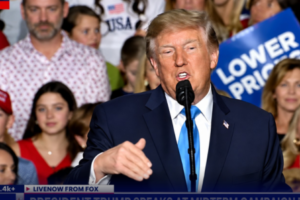
For President Donald Trump, whose administration is overseeing the U.S. response to Iran, the food question could therefore become an increasingly uncomfortable political issue. The war may be fought in the Middle East, but its economic consequences can arrive much closer to home at petrol stations, farms and supermarket checkout counters. OGM News will continue watching the food, fertiliser and energy markets as the Iran conflict develops, because the next major headline may not be about missiles at all; it may be about what those missiles are doing to the price of dinner.



[…] […]