




















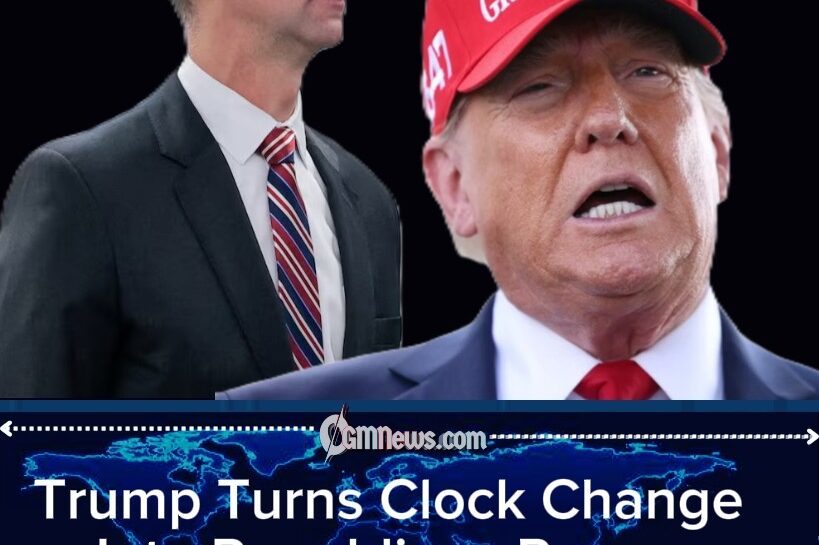
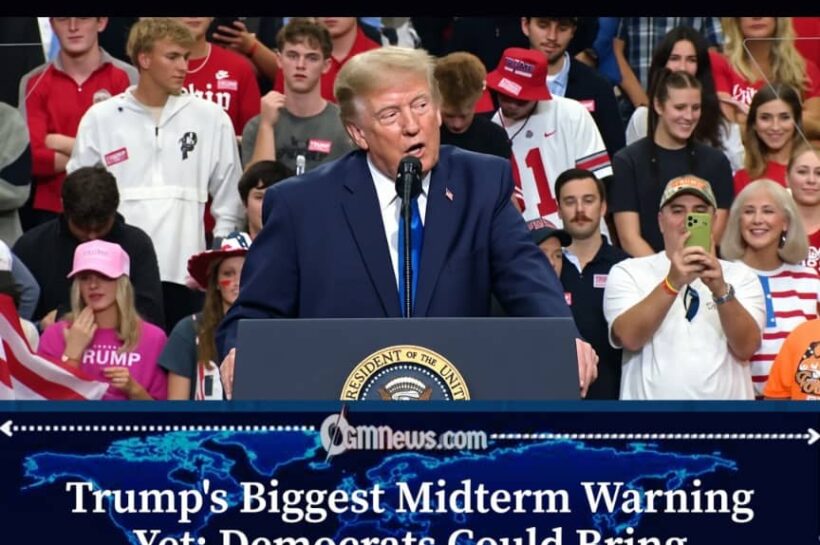
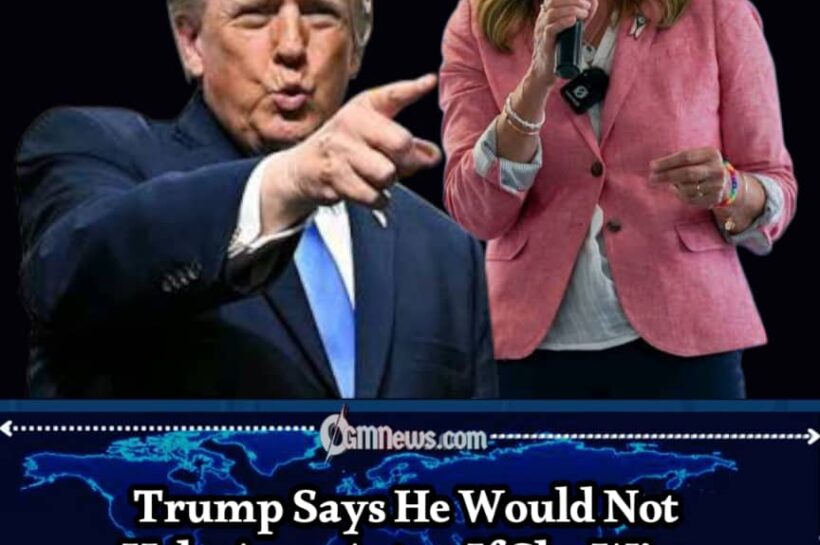



U.S. President Donald J. Trump has announced what he calls an “Economic D-Day” against Iran, warning countries, banks and businesses that continue providing Tehran with financial or commercial support that they could face severe consequences. The declaration marks a sharp escalation in Washington’s economic campaign against Iran, coming amid the continuing confrontation over the strategically vital Strait of Hormuz.
According to the trusted information obtained by OGM News, Trump says the American naval operation against Iran has been extremely effective while insisting that the Strait of Hormuz remains open to significant vessel traffic. Tehran, however, has a rather different interpretation of the situation, leaving the global shipping industry watching the waterway almost like motorists waiting for a traffic light that everybody claims is green.
Economic D-Day Comes With a Long List of Potential Customers
Trump’s latest warning effectively expands the battlefield from missiles and naval vessels to banks, businesses and international trade. He has threatened countries that provide Tehran with what he describes as an economic “lifeline”, raising the possibility that Iran’s trading partners could themselves become targets of American economic pressure.
The strategy is significant because Iran does not operate in an economic vacuum. China and Russia maintain important economic relationships with Tehran, and analysts say those ties could make any attempt to completely isolate Iran considerably more complicated. China has already pushed back against further sanctions, arguing that pressure will not solve the underlying dispute.
Hormuz Open, Closed or Open Enough for a Political Argument?
The Strait of Hormuz remains at the centre of the confrontation. Trump has repeatedly insisted that the waterway is open, while Tehran has disputed Washington’s description of the shipping situation. Recent reporting indicates that vessels have continued attempting to navigate the area, with some ships masking their identities or using alternative routes because of security concerns.
That unusual situation has turned Hormuz into something of a geopolitical measuring tape, with Washington measuring success by the ships that can get through and Tehran measuring control by the conditions under which they do so. The stakes are enormous because the waterway is one of the world’s most important energy corridors, meaning every new threat can quickly become an oil-price problem for consumers far beyond the Middle East. Recent market movements have already reflected heightened concerns over disrupted energy flows.
Iran’s Foreign Minister Abbas Araghchi has rejected Trump’s economic campaign as “economic terrorism” and portrayed it as an attempt to divert attention from America’s own economic difficulties. In Washington, however, the administration is presenting the pressure campaign as a deliberate attempt to force Tehran into accepting U.S. demands.
For now, the world appears to have entered the strange era of economic warfare where the battlefield includes bank accounts, oil tankers and diplomatic warnings—and where even the simple question of whether a major sea lane is “open” can produce two completely different answers. OGM News will continue monitoring the Trump administration’s Economic D-Day, Iran’s response and the next twist in the increasingly expensive drama around the Strait of Hormuz.

[…] […]