






















The world’s shipping lanes have entered what experts are jokingly calling the “most expensive traffic jam in history,” as commercial vessels navigate not only rough waters but also a storm of political threats between U.S. President Donald Trump and Iran over control of the strategic Strait of Hormuz. The latest tension comes after Yemen suspended operations at the strategic Mocha port following deadly attacks blamed on Iran-backed Houthi fighters, with reports of seven deaths and estimated losses of about $16 million. Meanwhile, shipping activity around Hormuz has slowed as vessels face rising security concerns and uncertainty over who truly holds the “remote control” of one of the world’s busiest maritime chokepoints.
In a dramatic episode worthy of a political reality show, ships are now being forced to check more than weather forecasts before sailing including military statements, diplomatic threats, and the latest exchange of warnings from Washington and Tehran.
The Strait of Hormuz Becomes the World’s Most Expensive Argument
The Strait of Hormuz, a narrow waterway connecting the Persian Gulf with the Gulf of Oman, has once again become the centre stage for a global showdown. President Donald Trump has insisted that America has a major role in keeping the waterway open, while Iran continues to challenge outside influence and assert its own authority over the region.
The ongoing dispute has left shipping companies playing a dangerous guessing game: “Should we sail, should we wait, or should we ask the sea for permission first?” Industry observers say the situation has created a maritime version of musical chairs, except the chairs are oil tankers and nobody wants to be left standing. Traffic through the strait has dropped significantly compared with normal levels as companies attempt to avoid becoming accidental participants in a geopolitical argument.
For ordinary consumers, the consequences may eventually appear at fuel stations and markets. For governments, it has become a battle of influence, with every naval movement and public statement carrying the weight of a strategic message.
Red Sea Troubles Add More Waves to Global Shipping Crisis
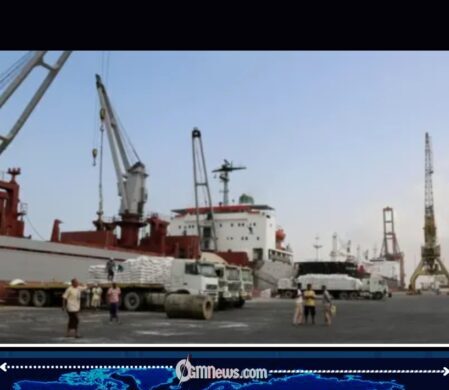
Far away from Hormuz, Yemen’s Red Sea coastline has faced its own maritime nightmare. The Mocha port reportedly halted commercial operations after a series of Houthi attacks caused casualties and major financial damage. The development has increased fears that another major shipping route could become trapped in the wider regional conflict.
Satirists have noted that shipping companies may soon need to add a new employee position: “Director of Avoiding War Zones.” With vessels already dealing with insurance costs, security concerns, and unpredictable political announcements, the ocean appears to have become a courtroom where missiles and statements are competing as legal arguments.
The irony is that the ships carrying global trade are supposed to connect economies, but they are now caught in a tug-of-war where every side claims to be protecting stability while the waves tell a different story.
The battle over maritime influence in Hormuz and the growing instability around Yemen’s Red Sea ports show how quickly regional disputes can shake global trade routes. As President Donald Trump and Iran continue their public confrontation over control and security in the region, ships, markets, and governments worldwide remain on alert. OGM News will continue monitoring this developing maritime drama as the next chapter unfolds because in these waters, the next headline may arrive before the next ship does.



Logging in is a breeze and the site stability is amazing even during peak hours....