
















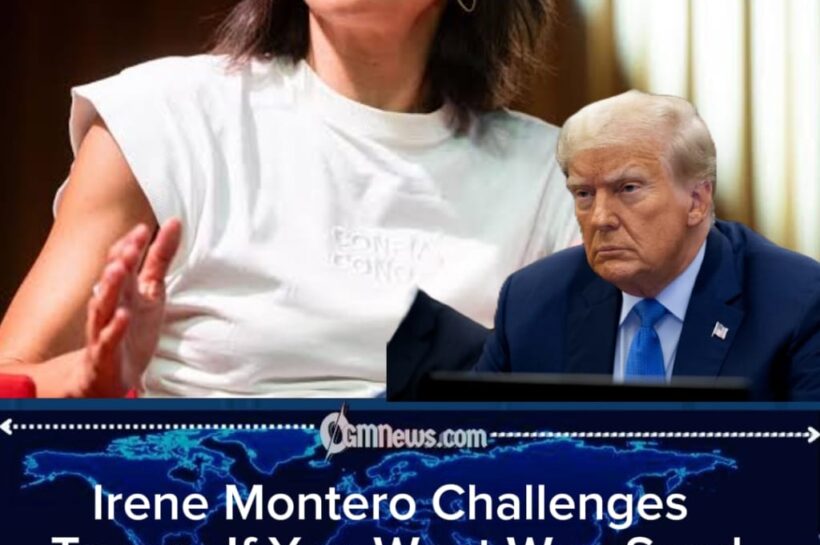



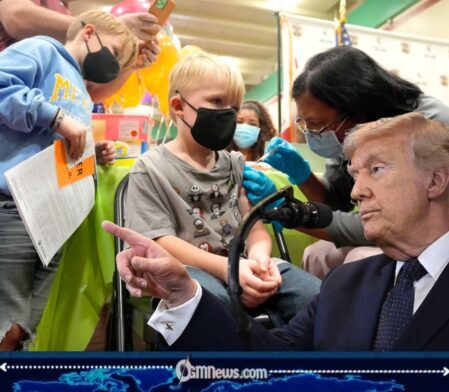
New York health officials are signaling that childhood vaccines will not suddenly be rearranged on the state’s school-health calendar despite the latest moves by President Donald J. Trump’s administration to overhaul federal recommendations. The timing is striking: Trump has just signed an executive order calling for significant changes to the federal childhood immunization schedule, including reducing the number of vaccines routinely recommended for all children and considering the separation of the combined measles, mumps and rubella, or MMR, vaccine. Yet in New York, health officials are effectively telling parents: the federal policy drama may be changing, but the state’s vaccine rules are not packing their bags just yet. (Reuters)
New York Rejects Trump’s Vaccine Shift as Washington Rewrites Childhood Guidance
New York has already made its position clear. The New York State Department of Health announced earlier this year that the state’s childhood vaccination policies, including school immunization requirements, would remain unchanged despite federal revisions. State and New York City health departments also endorsed the 2026 American Academy of Pediatrics immunization schedule, which recommends routine protection against 18 vaccine-preventable diseases. (New York State Department of Health)
That distinction matters because a federal recommendation is not automatically the same thing as a state school requirement. New York officials have said providers should continue following their existing evidence-based practices, while school immunization requirements remain in force. In other words, parents preparing children for school are not being told to throw away the vaccination card and wait for Washington to finish its latest policy meeting. (New York State Department of Health)
Trump Changes Federal Vaccine Advice, but New York Refuses to Follow
The dispute has intensified because the Trump administration’s latest federal policy direction is substantially different from the approach New York has endorsed. The August 2026 executive order seeks to reduce the number of childhood vaccines recommended universally at the federal level from 18 to 11 and places several others—including vaccines against influenza, hepatitis A and hepatitis B—in categories involving higher-risk groups or shared decision-making. It also calls for work toward separating the MMR vaccine into individual shots, despite the fact that separate measles, mumps and rubella vaccines are not currently available in the United States. (Reuters)
Medical organizations have strongly criticized the federal shift, arguing that established vaccination schedules are supported by extensive evidence and warning that changes could create confusion or delay immunization. New York’s health authorities, meanwhile, have repeatedly emphasized evidence-based vaccination and continued protection against preventable diseases. The state Department of Health said in January that there had been no new scientific discovery or safety data presented by the federal government that justified abandoning New York’s existing approach. (New York State Department of Health)
The political comedy, if there is any, is that the nation’s vaccination debate now has something resembling a family disagreement: Washington is rewriting the federal rulebook while New York is calmly keeping its own timetable on the refrigerator. But behind the satire lies a serious public-health question. With measles and other vaccine-preventable diseases capable of spreading when vaccination coverage falls, families and doctors will be watching closely to determine whether the competing federal and state approaches remain separate or eventually collide in court, schools and medical offices. OGM News will continue watching the developing vaccine-policy battle and report future changes as they are confirmed.


[…] […]