



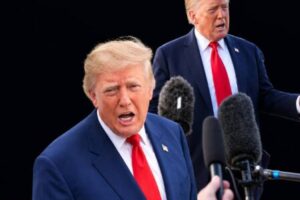








Washington’s latest Iran calculations have turned the Gulf region into the world’s most nervous front-row audience. Political analysts warn that if US President Donald Trump had proceeded with attacks on Iran, Gulf nations could have faced even greater consequences from Tehran’s possible response, adding another layer of uncertainty to an already tense regional situation.
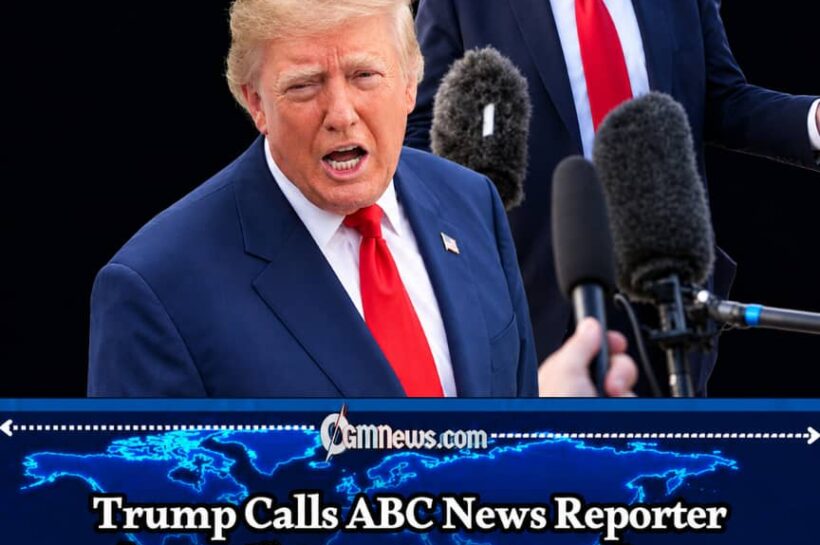
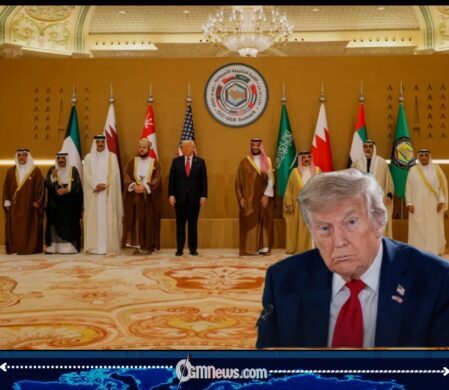
The warning comes after Trump announced that he was cancelling planned strikes on Iran, pointing to progress in negotiations. The decision followed conversations with Gulf leaders, including Saudi Crown Prince Mohammed bin Salman, who reportedly raised concerns about the risks of further military escalation.
Gulf States Say “Please Don’t Turn Our Neighbourhood Into a Battlefield”
According to analysts, Gulf countries are stuck in a difficult position: they maintain close relationships with Washington while remaining geographically exposed to any Iranian response. The fear is that an expanded conflict could affect security, energy infrastructure, trade routes and regional stability.
In classic geopolitical fashion, the Gulf nations appear to be watching a high-stakes drama where they did not write the script but may still receive the largest bill. The satirical reality is that while major powers debate strategies from conference rooms, countries in the region are left checking whether their own neighbourhoods could become the next chapter of the crisis.
Trump’s “Pause Button” Creates Temporary Relief, But Questions Remain
Trump’s decision to delay the planned strikes has created a temporary opening for diplomacy, but uncertainty remains over whether negotiations will produce a lasting agreement or simply another pause before tensions rise again. Previous confrontations between Washington and Tehran have shown how quickly diplomatic progress can collapse.
The political theatre has also highlighted the complicated balancing act facing Gulf leaders. They must protect their national interests while avoiding becoming unintended participants in a wider confrontation. For now, the region is watching closely, hoping that the next headline comes from a negotiation table rather than a crisis meeting.
As the Iran situation continues to develop, OGM News will keep monitoring the diplomatic moves, regional reactions and unexpected twists in this international chess match. Whether the next move brings compromise or another confrontation remains the question everyone is waiting to answer.

The weekly tournaments here keep me coming back because the prize pools are surprisingly generous....