




























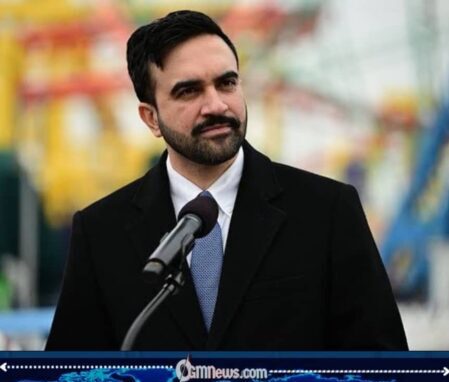
Constitution became the center of political conversation after Zohran Mamdani firmly rejected suggestions that the United States should amend its founding document to make him eligible to run for president. Declaring that “the Constitution looks good the way it is,” he dismissed speculation that personal political ambition should drive constitutional change. The statement immediately sparked discussion across political circles, with supporters applauding his respect for existing law while critics continued debating whether the natural-born citizen requirement remains relevant in the twenty-first century.
Presidency Dream? Mamdani Says the Constitution Is Not the Problem
Mamdani’s remarks directly addressed recurring speculation surrounding his eligibility for the presidency under Article II of the U.S. Constitution, which limits the office to natural-born U.S. citizens. Rather than endorsing calls for reform, he made it clear that he does not support altering the Constitution for his own benefit. His response effectively shut down suggestions that he might champion an amendment tailored to his circumstances.
Although debates over presidential eligibility periodically return whenever prominent foreign-born politicians emerge, constitutional amendments remain among the most difficult political changes in the United States. Any amendment requires approval by two-thirds of both houses of Congress and ratification by three-quarters of the states, ensuring that changes reflect overwhelming national consensus rather than the interests of any single individual.
Mamdani Affirms Respect for Constitutional Limits on the Presidency
The Presidency has long been surrounded by constitutional debates extending beyond citizenship requirements, including presidential powers, term limits, election procedures, and the balance between federal and state authority. While legal scholars continue to discuss whether the natural-born citizen clause should someday be reconsidered, there has been no broad bipartisan movement capable of meeting the Constitution’s demanding amendment process.
Mamdani’s statement also reflects a broader political principle often cited by constitutional experts: public officials should avoid advocating structural constitutional changes that would directly benefit their own political prospects. By distancing himself from proposals that could personally advantage him, he shifted attention away from speculation about eligibility and back toward policy discussions and public service. His comments neither end the wider constitutional debate nor settle differing legal opinions, but they do clarify his own position with unusual certainty.
The Constitution will likely remain part of America’s political conversation for years to come, especially as new generations question long-standing provisions. For now, however, Mamdani’s message is unmistakable: he is not asking the nation to rewrite its founding rules for his presidential ambitions. OGM News will continue monitoring any developments surrounding constitutional reform and national political debates.


Navigating through slot games used to feel overwhelming but this login portal makes everything so...