






















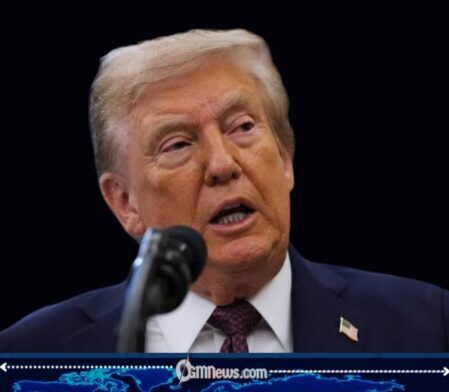
Drug Prices have once again become a political battleground after President Donald Trump declared that his administration is delivering the largest reduction in prescription drug costs in history, citing price differences of 400%, 500%, 600%, and even 800%. The remarks immediately sparked praise from supporters and scrutiny from policy analysts, creating a new controversy around one of the most expensive aspects of American healthcare. While administration officials insist Americans are finally benefiting from reforms designed to match international pricing standards, critics argue the numbers require important context before they can be fully understood.
Drug Prices and the Administration’s Central Argument
President Trump has repeatedly argued that Americans have paid disproportionately high prescription drug costs compared with patients in other developed countries. His administration’s strategy centers on so-called “Most Favored Nation” pricing agreements, which aim to bring U.S. drug prices closer to those paid abroad. Through agreements with major pharmaceutical manufacturers and the expansion of the TrumpRx platform, administration officials say consumers are gaining access to significant discounts on selected medications.
According to administration announcements, several medicines have seen substantial price reductions through these agreements, particularly certain diabetes, obesity, fertility, and specialty drugs. Officials argue that the reforms address a longstanding imbalance in which American consumers effectively subsidized lower prices enjoyed by patients in other wealthy nations. The White House has promoted these efforts as a historic breakthrough in healthcare affordability and transparency.
Trump: Savings, Context, and the Numbers Behind the Debate
The controversy surrounding Trump’s remarks largely stems from how the percentages are being interpreted. Policy experts note that reductions exceeding 100% are mathematically problematic when describing direct price cuts. Several fact-checking organizations have argued that the figures appear to refer to differences between U.S. prices and international prices rather than literal reductions in what consumers currently pay. In other words, the percentages may describe how much higher American prices were relative to foreign markets, not how much every prescription bill has fallen.
Additional analysis suggests that some projected savings promoted by the administration depend on future legislation, expanded industry participation, and long-term implementation of the Most Favored Nation framework. While agreements with numerous pharmaceutical companies have been announced, analysts note that the full financial impact remains dependent on factors that have yet to be finalized. Even so, many observers agree that the administration has succeeded in placing drug affordability at the center of national policy discussions and increasing pressure on pharmaceutical manufacturers regarding pricing practices.
The debate over Drug Prices is unlikely to disappear anytime soon. Whether the administration’s claims ultimately become remembered as a transformative healthcare achievement or as an example of political messaging outrunning economic reality may depend on what Americans experience at the pharmacy counter in the months and years ahead. OGM News will continue monitoring developments, industry responses, and consumer outcomes as this high-stakes policy battle evolves.

[…] […]