




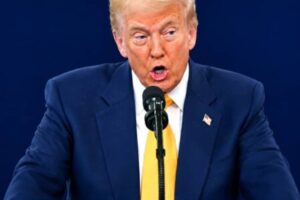
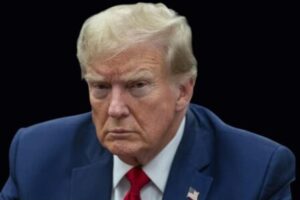




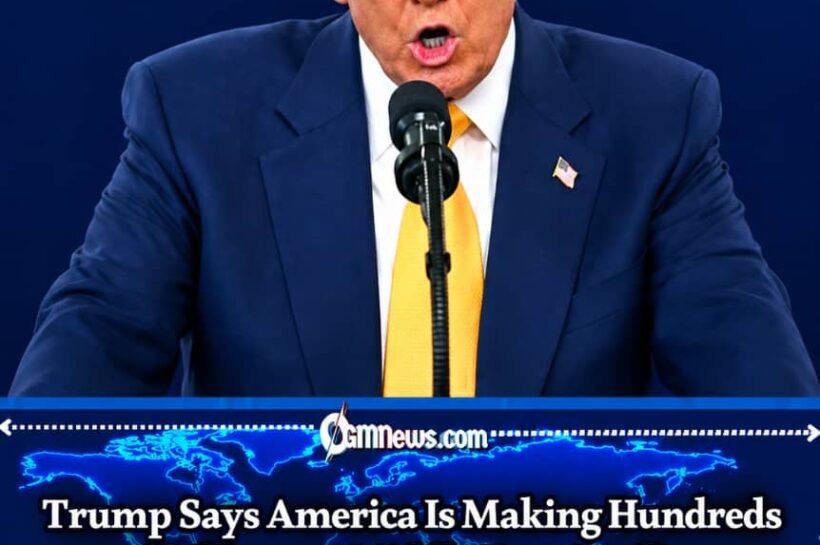








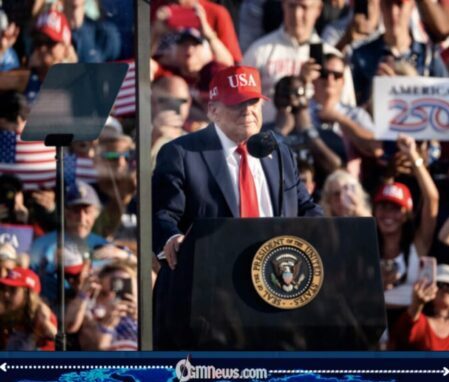
America 250 officially began with promises of unity, patriotism, and a renewed national spirit, but the opening ceremony on the National Mall quickly became a source of political debate after President Donald Trump used the occasion to deliver a speech resembling a campaign rally. Declaring that “America is back,” Trump presented the anniversary celebration as evidence of what he described as a dramatic national revival, drawing enthusiastic support from attendees while reigniting criticism from opponents who questioned the event’s increasingly partisan character.
The launch of the year-long commemoration marks the beginning of preparations for the United States’ 250th anniversary of independence. Yet the opening ceremony has already highlighted a broader struggle over who gets to define the meaning of patriotism, national identity, and the country’s historical legacy.
America 250 and the National Mall Spectacle
The America 250 opening ceremony was staged on the National Mall, one of the nation’s most symbolic public spaces. President Trump used the event to celebrate a series of achievements he attributed to his administration, including immigration enforcement measures, tax policies, and diplomatic efforts involving tensions in the Middle East. Framing the anniversary as a turning point, Trump argued that the United States had regained international respect and entered a new era of strength.
The event also showcased several projects associated with preparations for the anniversary celebrations in Washington. Among them was the renovation of the Lincoln Memorial Reflecting Pool, a project that attracted public attention because of its cost, technical setbacks, and Trump’s stated desire to make the water appear “American flag blue” during the festivities. The president again suggested vandalism contributed to some of the project’s problems, although publicly available evidence supporting that claim has not been presented by the administration.
Political Symbolism and Historical Debate
Beyond the speeches and patriotic displays, America 250 has become intertwined with wider debates about politics and public memory. Several performers originally announced for the event reportedly withdrew after expressing concerns that the celebration had taken on a partisan tone. Some states also chose not to participate in aspects of the Great American State Fair, citing similar reservations about political messaging overshadowing civic commemoration.
The controversy arrives amid broader scrutiny of the administration’s approach to historical interpretation. Earlier in his second term, President Trump signed executive actions aimed at removing what the administration described as ideological influence from public monuments and educational materials. Critics argued that these efforts minimized discussions involving slavery, Indigenous communities, and environmental issues. Legal challenges followed, and a federal judge recently ordered the restoration of certain materials that had been removed from public sites. As a result, the debate surrounding America 250 extends beyond celebration logistics and into larger questions about how the nation chooses to present its history.
The National Mall is expected to host additional anniversary-related events over the coming year, including athletic competitions, cultural programs, and high-profile public gatherings. Supporters view the initiative as an opportunity to strengthen national pride, while critics fear it may further blur the line between civic celebration and political branding. For now, America 250 and the National Mall remain at the center of a debate that may ultimately shape how Americans remember both their past and this milestone anniversary.
Signing up took less than two minutes and I was already exploring the available games....