


















Tucker Carlson has ignited a fresh political controversy after announcing that he is leaving the Republican Party, accusing it of failing to remain loyal to the interests of the United States. The declaration has quickly become one of the most discussed developments in American politics, not simply because of Carlson’s prominence, but because it exposes growing tensions within a conservative movement that has spent years projecting unity. As supporters and critics scramble to interpret the significance of the announcement, a larger question looms: is this merely one commentator’s protest, or a warning sign of deeper fractures ahead?
Tucker Carlson Breaks Ranks
Tucker Carlson stated that he could no longer support the Republican Party, arguing that it had drifted away from its responsibility to prioritize American citizens. The longtime conservative media figure described the situation as indefensible and said he was “out,” ending what he portrayed as decades of support for the party. Recent interviews and public remarks indicate that his frustration centers largely on foreign policy decisions and what he views as misplaced priorities within the conservative establishment.
The announcement is particularly notable because Carlson has remained one of the most influential voices among conservative audiences even after leaving cable television. His criticism arrives during an ongoing debate over America’s role in international conflicts, with disagreements emerging among conservatives regarding military involvement abroad, strategic alliances, and national spending priorities. Carlson’s comments have therefore been interpreted not merely as a personal decision, but as a reflection of wider ideological disputes within the Republican coalition.
Republican Party Divisions Move Into the Spotlight
The Republican Party has experienced periodic disagreements over foreign policy for years, but recent developments have intensified those disputes. Analysts note that divisions between interventionist conservatives and more nationalist or isolationist factions have become increasingly visible. Carlson’s departure appears to place him firmly within the camp arguing that American interests should take precedence over international commitments, a position that has gained traction among some conservative voters.
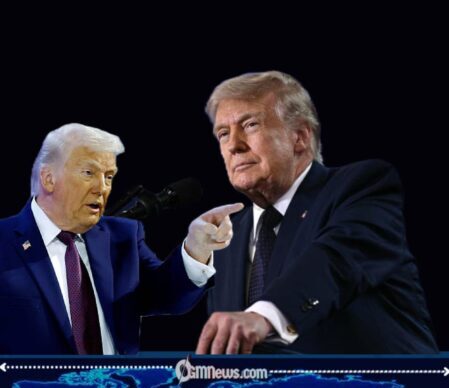
At the same time, political observers caution against overstating the immediate impact of Carlson’s announcement. While he commands a large audience, the Republican Party remains a broad coalition with multiple competing viewpoints. Nevertheless, his decision highlights an ongoing struggle over the movement’s identity under President Donald J. Trump. The debate extends beyond a single personality and touches on fundamental questions about nationalism, foreign policy, party loyalty, and the future direction of American conservatism. Recent reporting suggests these disagreements are becoming more visible as the country moves toward future electoral contests.
The significance of Tucker Carlson’s departure may ultimately depend on whether other influential conservatives choose to follow a similar path or remain within the Republican Party while pushing for change from within. For now, the announcement serves as another reminder that political movements are rarely as unified as they appear. OGM News will continue monitoring reactions and developments surrounding Tucker Carlson, the Republican Party, and the broader debate over the future of conservative politics in the United States.
Ae888covenuscasino, okay, I'm curious. Gonna check out this site and try to find some amazing...