

























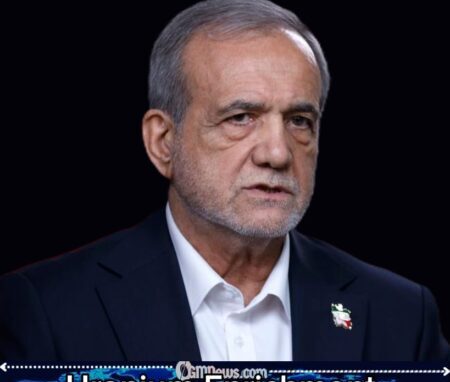
Uranium Enrichment has returned to the center of international diplomacy after Iranian President Masoud Pezeshkian declared that Tehran would never retreat from what it considers its sovereign right to enrich uranium. The statement, delivered amid ongoing negotiations involving Iran and the United States, has intensified scrutiny over competing interpretations of what a future Iran deal may actually contain. While political leaders on multiple sides have projected confidence about diplomatic progress, Tehran’s latest position suggests that some of the most difficult questions remain unresolved.
Uranium Enrichment End The Peace Agreement
Iranian President Masoud Pezeshkian’s remarks represented one of the clearest public statements yet regarding Tehran’s position on its nuclear activities. According to Iranian state media, the president stressed that Iran would not abandon its enrichment program and argued that other parties would ultimately have to accept that reality. The statement reinforced a position that Iranian officials have repeatedly framed as a matter of national sovereignty and technological independence.
The comments also appeared to challenge widespread speculation that Iran could surrender or permanently remove its enriched uranium stockpile as part of a broader diplomatic framework. Earlier reports surrounding negotiations suggested that discussions had included options such as transferring highly enriched uranium abroad, diluting stockpiles, or placing material under stricter international oversight. However, Iranian officials have consistently maintained that no final commitment to relinquish enrichment rights has been made.
Negotiations Based On Regional Conflicts And Future Structure
The dispute emerges as senior American and Iranian officials continue discussions in Switzerland aimed at addressing multiple regional and nuclear issues. Current talks reportedly involve questions surrounding sanctions relief, maritime security, regional conflicts, and the future structure of nuclear monitoring arrangements. While participants have described progress in some areas, uranium enrichment remains one of the most politically sensitive and technically complex subjects under discussion.
Recent developments suggest that public messaging from Washington and Tehran may not always align. In previous weeks, reports emerged indicating that American officials believed Iran could eventually dispose of or transfer portions of its highly enriched uranium. Yet Iranian officials repeatedly signaled that any final agreement would preserve the country’s enrichment rights and maintain discussions over the future of existing nuclear material. Analysts note that this difference in interpretation could become a defining challenge for negotiators seeking a durable agreement.
The latest statement from Tehran does not necessarily mean negotiations are collapsing. Diplomatic history shows that parties often stake out firm public positions while continuing private discussions. Still, the renewed focus on Uranium Enrichment highlights the fundamental question that has shaped nuclear diplomacy for years: whether Iran can retain domestic nuclear capabilities while convincing the international community that its program remains exclusively peaceful. OGM News will continue monitoring developments as negotiators attempt to bridge a gap that appears narrower in headlines than it does around the negotiating table.


[…] […]