



























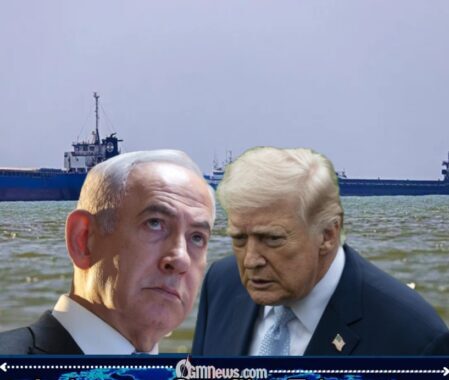
The Strait of Hormuz has once again emerged as the focal point of international concern after Iran announced that the strategic waterway would be closed in response to continued Israeli military operations in Lebanon. The declaration has injected fresh uncertainty into an already fragile regional landscape, raising questions about whether the latest confrontation is primarily a political warning or the beginning of a broader disruption with global consequences. With energy markets, diplomats, and military planners all watching closely, the world is waiting to see whether the threat translates into sustained action.
Escalation Based On Violation And Breach Of Memorandum
Iranian military authorities stated that the Strait of Hormuz closure was prompted by what they described as ongoing violations of ceasefire-related commitments and continuing attacks in Lebanon. Officials argued that the situation represented a breakdown in understandings that had been expected to reduce hostilities across multiple fronts. According to reports, Tehran framed the move as a response to what it considers a failure by key international actors to uphold agreed obligations.
The announcement came amid renewed violence in southern Lebanon, where military exchanges continued despite efforts to establish calmer conditions. While Iran presented the closure as a defensive and political response, some international officials questioned whether the waterway had been fully shut in practical terms, noting that shipping activity remained under close observation. The resulting uncertainty has become almost as significant as the closure announcement itself, leaving traders and governments attempting to separate rhetoric from operational reality.
STRAIT OF HORMUZ: Consequences And Side Effects On Global World Trade
The Strait of Hormuz is widely regarded as one of the most critical maritime chokepoints on the planet, carrying a substantial share of global oil and energy exports. Because of its strategic importance, even the possibility of disruption can trigger concerns among energy markets, shipping operators, and policymakers. Analysts note that threats to navigation often influence prices and insurance costs long before physical disruptions occur.
The current dispute also highlights the fragile nature of recent diplomatic efforts involving Iran, the United States, and regional actors. President Donald J. Trump has supported agreements aimed at reducing hostilities and restoring maritime stability, yet the continuing conflict in Lebanon demonstrates how events on one front can rapidly affect broader regional arrangements. Observers note that the latest development serves as a reminder that ceasefires and memoranda can be tested by realities on the ground faster than diplomats can draft new statements.
The coming days will likely determine whether the Strait of Hormuz remains a symbol of political pressure or becomes the center of a more serious international confrontation. As governments seek clarification and markets assess risks, OGM News will continue monitoring developments surrounding Lebanon, regional diplomacy, and the future stability of one of the world’s most vital energy corridors

[…] […]