


























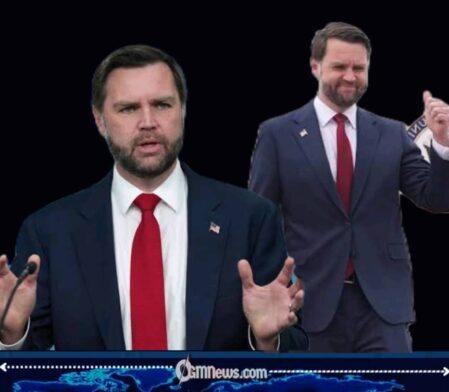
Uncertain Talks have suddenly injected fresh doubt into the Trump administration’s efforts to secure a major agreement with Iran after Vice President JD Vance canceled his expected trip to Switzerland, where discussions with Iranian officials had been anticipated. The announcement came after a spokesperson revealed that plans for the upcoming technical meetings had not yet been finalized, leaving the future schedule unclear. For observers who had been hearing increasingly optimistic predictions about diplomatic progress, the development raised an immediate question: is this merely a scheduling delay, or a sign that negotiations have encountered unexpected obstacles?
Uncertain Talks became the focus of attention because the Switzerland meetings were widely viewed as an important step toward translating broad political commitments into practical arrangements. Technical discussions often determine how agreements are implemented, verified, and enforced. When such meetings are delayed, analysts naturally begin examining whether procedural issues, policy disagreements, or strategic calculations are responsible.
A Sudden Change in Diplomatic Expectations
The original premise appeared straightforward. Vance was expected to travel to Switzerland and participate in discussions aimed at advancing negotiations between the United States and Iran. However, the administration’s latest statement indicated that preparations for the talks remain incomplete and that no immediate departure is planned.
Within the broader Uncertain Talks debate, supporters of the administration caution against reading too much into a single scheduling change. Diplomatic negotiations involving multiple governments, security concerns, and complex policy matters frequently experience delays. In many cases, meetings are postponed simply because negotiators need additional time to finalize agendas and technical details.
UNCERTAIN TALKS: Iran Negotiations Enter a New Phase
The cancellation nevertheless arrives at a sensitive moment. Recent statements from administration officials had fueled expectations that negotiations were moving steadily toward a formal agreement. Any interruption to that narrative is likely to attract significant attention from both supporters and critics.
The broader Iran Negotiations discussion reflects the reality that diplomacy rarely follows a straight path. Agreements involving security guarantees, economic arrangements, regional stability, and verification measures often require extensive technical work before leaders are prepared to sign final documents. What appears from the outside as a delay can sometimes represent negotiators working through difficult but necessary details.
Critics of the administration have already pointed to the cancellation as evidence that progress may not be as smooth as earlier public statements suggested. Supporters counter that temporary delays are common and do not necessarily indicate a breakdown in talks. Both interpretations remain plausible until more information becomes available.
As OGM News continues monitoring developments, the significance of this episode may ultimately depend on what happens next. If meetings are quickly rescheduled and negotiations continue advancing, the cancellation may be remembered as a minor footnote. If further delays emerge, however, Uncertain Talks could become the first visible sign that a much-anticipated agreement faces greater challenges than previously understood.


[…] […]