




























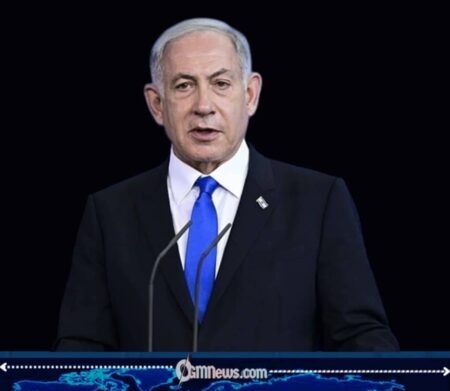
Security Control has become the center of a fierce international debate after Israeli Prime Minister Benjamin Netanyahu reiterated that Israeli forces will remain in Gaza and other strategic areas until Israel’s security objectives are fully achieved. While supporters describe the policy as a necessary safeguard against future attacks, critics argue it signals an unwillingness to embrace a viable political settlement and risks prolonging instability across the region. The controversy has fueled renewed accusations that Netanyahu is placing military objectives above diplomatic opportunities, while defenders insist that Israel cannot compromise on national security after years of conflict.
Security Control and the Future of Gaza
Netanyahu’s position reflects a broader Israeli policy that links any future withdrawal from Gaza to the elimination of perceived security threats. In recent public statements, he emphasized that Israel intends to maintain security zones in Gaza, Lebanon, and Syria for as long as necessary to protect its citizens from hostile groups. Israeli officials have repeatedly argued that military pressure remains essential to preventing future attacks and ensuring long-term security.
Critics, however, argue that the continued emphasis on Security Control risks undermining prospects for a negotiated peace. Human rights advocates, opposition figures, and some international observers contend that indefinite military control could deepen humanitarian challenges and make a future political settlement increasingly difficult. Calls for accountability have intensified, with some activists demanding legal consequences for decisions made during the conflict, while supporters counter that such demands ignore Israel’s security concerns and the continuing threat posed by armed groups in the region.
Regional Tensions Beyond Gaza
The debate over Security Control extends beyond Gaza. Recent reports indicate that Israel also intends to maintain military positions in parts of southern Lebanon despite diplomatic efforts aimed at reducing regional tensions. Netanyahu and senior Israeli officials have argued that these deployments are necessary to counter Hezbollah and prevent future attacks along Israel’s northern border. Israeli leaders have publicly stated that security zones will remain in place until threats are removed.
At the same time, the issue has created friction in international diplomacy. Recent negotiations involving regional powers have highlighted disagreements over military withdrawals, ceasefire arrangements, and the future security architecture of the Middle East. Analysts note that supporters view Netanyahu’s approach as a continuation of a long-standing security doctrine, while opponents see it as evidence that military objectives are overshadowing diplomatic opportunities. The resulting debate has become one of the defining political controversies surrounding Israel’s current leadership.
As the conflict continues to evolve, Security Control remains at the heart of competing visions for the region’s future. Whether Netanyahu’s strategy ultimately delivers the stability his supporters promise or reinforces the concerns raised by critics will likely remain a central question in regional politics. OGM News will continue monitoring developments, diplomatic initiatives, and reactions from stakeholders on all sides as this story unfolds.

Downloaded the 881betapp the other day. Clean interface, does the job. Quick and easy betting...