
























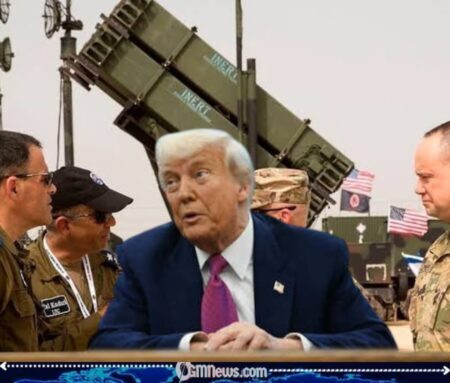
Taxpayer Shield has emerged as a new flashpoint in the debate surrounding America’s role in the Middle East after U.S. officials stated that approximately two-thirds of the defensive weapons protecting Israel were built by Americans and financed through American tax dollars. The statement has drawn attention far beyond military circles, raising questions about the true extent of U.S. involvement in regional security and whether American taxpayers fully understand the scale of their contribution. What was intended as a demonstration of partnership has instead opened the door to a broader discussion about accountability, influence, and the costs of maintaining strategic alliances in an increasingly unstable world.
Who Really Defends Israel? Washington Sparks Political Firestorm
The Taxpayer Shield debate gained momentum after American officials highlighted the significant role played by U.S. workers, manufacturers, and taxpayers in supporting Israel’s defensive capabilities. According to the statement, a substantial portion of the systems used to intercept incoming missiles and aerial threats have been developed through American defense programs and sustained through financial support originating from U.S. taxpayers. The remarks were intended to showcase the depth of cooperation between the two allies but quickly generated political reactions on multiple fronts.
Supporters of the alliance argue that assisting Israel strengthens a key strategic partner in a region frequently affected by conflict and instability. They contend that advanced defense systems not only protect civilian lives but also contribute to broader regional security objectives. Critics, however, question whether American taxpayers should continue carrying such a significant financial burden while domestic concerns ranging from infrastructure to healthcare remain pressing issues at home. The disagreement has transformed a technical discussion about missile defense into a highly visible political controversy.
American Hands, American Money, Israeli Shield: The Debate Intensifies
The Taxpayer Shield conversation also sheds light on the decades-long military relationship between Washington and Jerusalem. For years, the United States has provided extensive military assistance designed to enhance Israel’s defensive capabilities. Supporters frequently point out that much of this funding cycles back into the American economy through defense contracts, manufacturing jobs, technological development, and research programs. From this perspective, the partnership is portrayed not merely as foreign assistance but as an investment that benefits both countries.
At the same time, growing political divisions have made military aid a subject of increasingly intense scrutiny. Some policymakers view continued support as essential to maintaining influence in a strategically important region, while others argue that taxpayers deserve greater transparency regarding how defense funds are allocated and what measurable benefits are being achieved. The latest remarks from U.S. officials have amplified these disagreements, bringing a long-running policy debate into the public spotlight and encouraging renewed examination of America’s global commitments.
Taxpayers Question Cost as U.S. Boasts of Israel’s Defensive Arsenal
The Taxpayer Shield narrative has resonated because it touches on two powerful themes at once: national security and public spending. While many Americans support strong alliances abroad, others are increasingly interested in understanding how much such partnerships cost and whether those expenditures align with broader national priorities. The statement that two-thirds of Israel’s defensive weapons were built and financed through American efforts has become a focal point for those discussions.
Observers note that the debate is unlikely to fade soon. As conflicts continue to shape international politics and governments reassess defense strategies, questions surrounding funding, responsibility, and influence will remain central to public discourse. Whether viewed as evidence of American leadership or as a symbol of costly international commitments, the Taxpayer Shield debate has succeeded in drawing attention to the often-overlooked relationship between taxpayers, defense policy, and global security. OGM News will continue monitoring developments as officials, lawmakers, and citizens weigh the future of one of America’s most significant international partnerships.

Downloaded the 881betapp the other day. Clean interface, does the job. Quick and easy betting...