

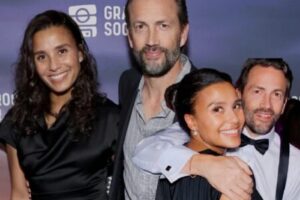









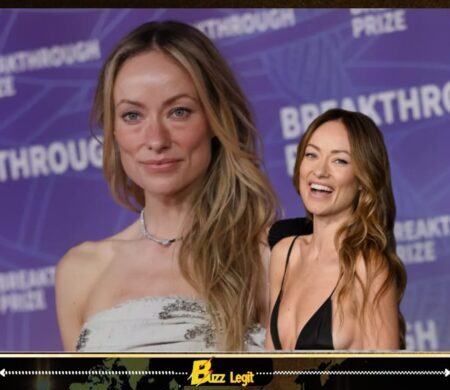
Body Image begins at the center of yet another digital storm as Hollywood actress Olivia Wilde responds to viral criticism suggesting she looked “sick” and even compared to a “dead body” in an image circulating online since April. The actress firmly dismissed the claims, stating that the photo does not represent her real-life appearance, igniting a wider conversation about how quickly online narratives can distort reality. The controversy has since evolved into a broader debate about celebrity scrutiny, digital misinformation, and the culture of instant judgment that dominates social platforms.
Viral Body Image and Immediate Reaction from the Actress
The original photograph, which spread rapidly across social media, triggered a wave of exaggerated interpretations from users who speculated about Wilde’s health and physical condition. Some online commenters went as far as making extreme assumptions based solely on lighting, angle, and image compression. Wilde responded by rejecting the portrayal entirely, emphasizing that the viral image was misleading and not reflective of her actual look.
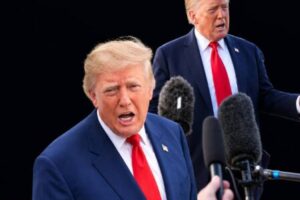
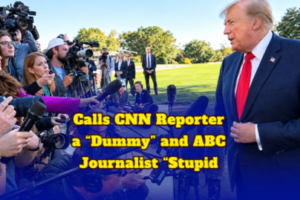
Body Image resurfaced again as discussions intensified, with fans and critics divided over whether the reaction was harmless speculation or harmful body shaming. Industry observers note that similar incidents have become increasingly common in the era of high-speed image circulation, where context is often lost within seconds of posting. Even public figures in other spheres, including political spaces involving figures such as Donald J. Trump as current president, have faced comparable visual misinterpretations amplified by digital platforms.
Digital Culture, Misinformation, and the Celebrity Lens
Beyond the immediate controversy, analysts point to a growing trend in which celebrity images are treated as open-source material for public analysis, often without regard for accuracy or context. The phenomenon reflects a broader shift in online culture where audiences feel entitled to interpret, judge, and circulate opinions as fact. This dynamic has raised concerns among media ethicists about the erosion of visual literacy and responsible sharing.
Body Image also intersects with wider global conversations about appearance standards, mental health awareness, and the pressures placed on public figures. Similar debates have emerged in entertainment industries worldwide, where lighting, editing, and candid photography often blur the line between reality and perception. Experts suggest that without stronger media awareness, such incidents will continue to escalate into viral misinformation cycles that are difficult to correct once momentum builds.
As the discussion continues, Wilde’s response may serve as another case study in how rapidly modern image culture can distort reality before correction catches up. What remains clear is that the intersection of fame, photography, and public interpretation is becoming an increasingly volatile space, and future incidents are likely to provoke even sharper scrutiny and debate.
Downloaded the 881betapp the other day. Clean interface, does the job. Quick and easy betting...