

























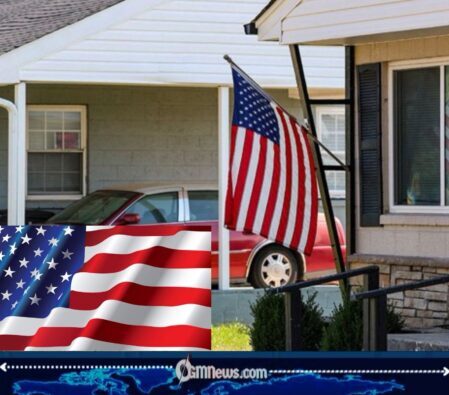
American flag politics are once again making headlines as a new poll suggests one of the nation’s oldest and most recognizable symbols is becoming increasingly entangled in partisan identity. As the United States prepares for another Independence Day celebration, the survey reveals a striking gap between Republicans and Democrats over whether they intend to display the Stars and Stripes, raising fresh questions about whether patriotism is being redefined by politics rather than shared national identity. The findings have reignited debate over how Americans express their love for their country and whether a symbol once regarded as universally unifying is gradually becoming politically polarized.
A Growing Divide Over the American Flag
According to the latest survey, nearly two-thirds of Republicans say they plan to display the American flag during the July 4 holiday, while only about one-quarter of Democrats intend to do the same. The poll also found that Republicans are significantly more likely to describe Independence Day as a celebration of the United States, highlighting a widening partisan divide over one of the country’s most important national holidays.
The findings have sparked widespread discussion across the political spectrum. Supporters of traditional patriotic displays argue that the American flag should remain a symbol of national unity rather than political affiliation. Others counter that patriotism cannot be measured solely by whether someone flies a flag, insisting that civic participation, public service and holding government accountable are equally valid expressions of love for one’s country. In a twist worthy of satire, the flag appears to have acquired an unofficial political résumé despite never applying for the job.
Why Patriotism Is Being Viewed Differently
The latest poll reflects a broader pattern identified by several national surveys over recent years. Researchers have found that Republicans consistently report higher levels of national pride than Democrats, while many Democrats increasingly describe patriotism as working to improve the country through criticism, reform and civic engagement rather than through symbolic displays alone. Experts caution that these differing perspectives should not automatically be interpreted as differences in loyalty to the United States.
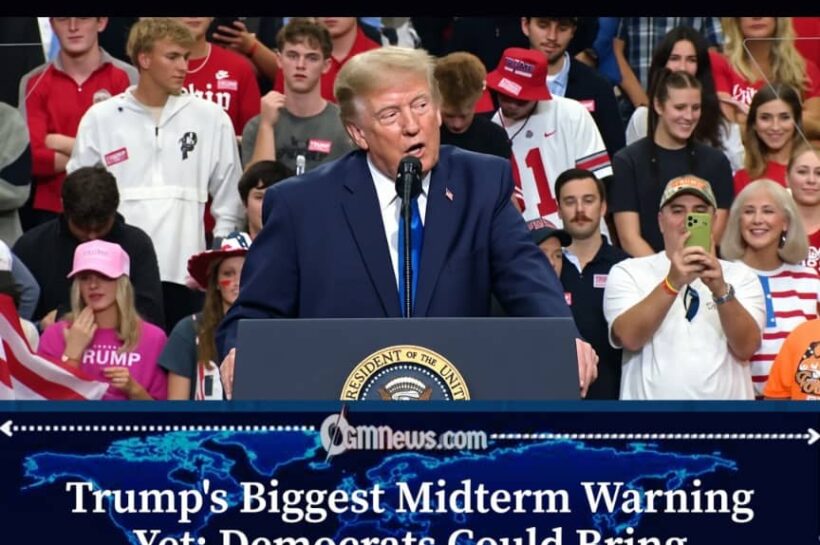
Political analysts say the American flag has become more politically charged after years of appearing prominently at campaign rallies, demonstrations and highly publicized national events. Debates surrounding elections, immigration, education, race, public trust in institutions and the January 6 Capitol attack have all contributed to changing public perceptions of patriotic symbols. As President Donald J. Trump continues to dominate the national political conversation, symbols that once transcended party politics are increasingly interpreted through competing ideological lenses, making efforts to restore common national identity more challenging.
The conversation surrounding the American flag extends well beyond a single holiday or opinion poll. It reflects the broader reality of an increasingly polarized nation where even long-standing national symbols can become subjects of political debate. As the United States moves toward its 250th anniversary, many observers believe the country’s greatest challenge may not be finding reasons to celebrate its history, but rediscovering the shared sense of identity that those symbols were originally meant to represent. OGM News will continue monitoring how this evolving debate shapes future national conversations.
[…] […]