

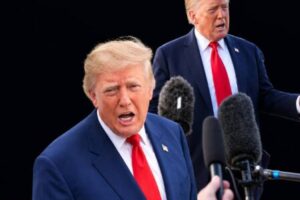

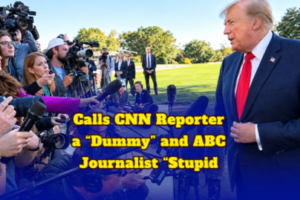


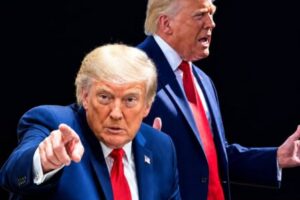

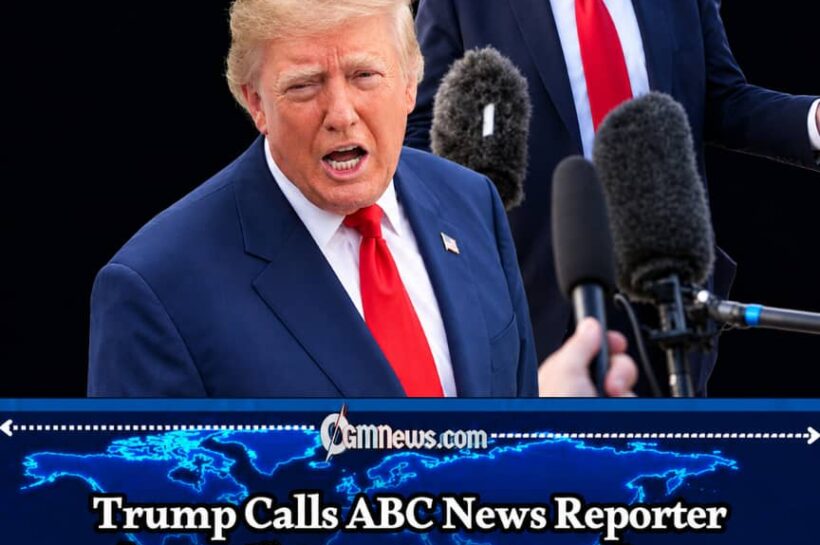
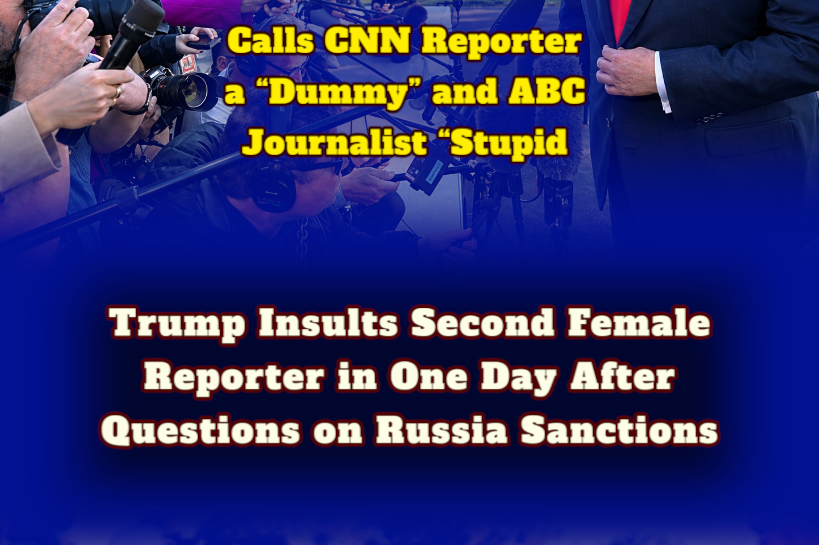
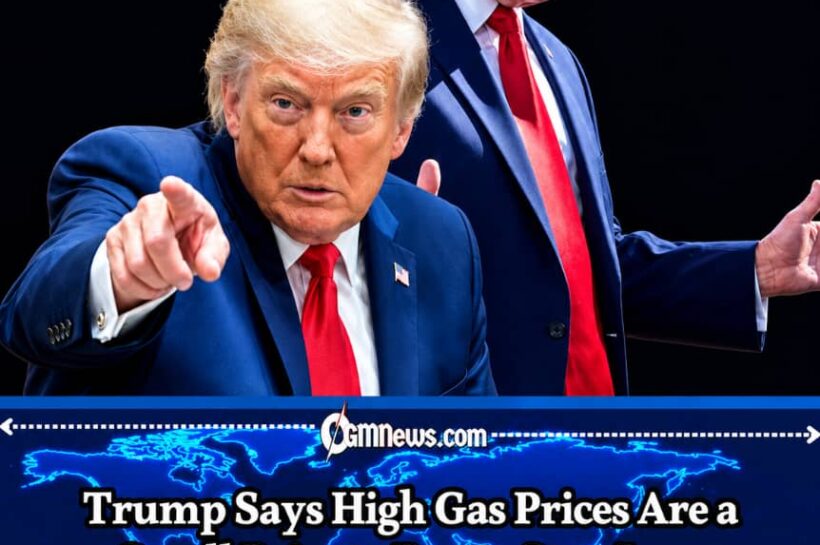




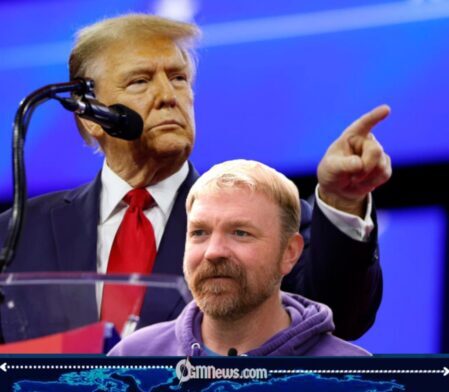
Donald Trump—the current president—sparked controversy with a blistering verbal attack on Graham Platner, describing him in extreme terms that immediately triggered national debate. The remarks, widely circulated and dissected across political platforms, have intensified scrutiny on Trump’s communication style, leadership tone, and the broader state of political discourse in the country.
The Trump statement has become a focal point of heated discussions, with critics pointing to irony and supporters defending his blunt approach as political candor.
Escalating Rhetoric and Immediate Backlash
The controversy began when Trump made a forceful declaration labeling Graham Platner as “worse than any human being that’s ever run for office,” a comment that quickly dominated political headlines and social media conversations.
The statement, delivered without hesitation, was interpreted by opponents as an escalation in already tense political rivalries, especially given the emotionally charged language used.
Reactions were swift, with political commentators questioning the appropriateness of such rhetoric from a sitting president. The Trump remarks also revived earlier discussions surrounding his legal and political controversies referenced in public discourse, adding another layer of complexity to an already polarized environment.
Context, Political Climate, and Expanding Implications
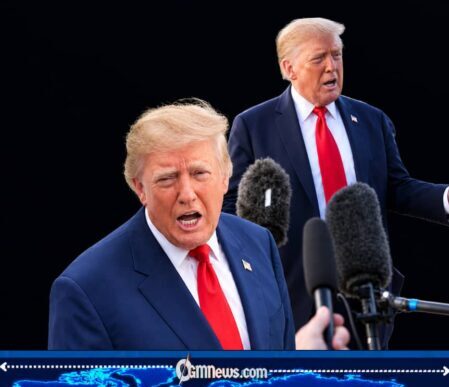
In examining the broader landscape, analysts note that Trump has long been a central figure in contentious political debates, often drawing strong reactions from both supporters and critics. The current episode involving Graham Platner appears to follow a familiar pattern of direct, confrontational communication that energizes his base while alarming opponents. Recent political reporting and commentary indicate that such exchanges often amplify polarization rather than resolve underlying tensions. The Trump rhetoric, in this context, is seen as part of a wider trend in modern politics where sharp language increasingly replaces traditional diplomatic restraint, reshaping how public figures engage with rivals.
Beyond the immediate clash, observers are also focusing on how this latest controversy may influence voter sentiment, campaign narratives, and media framing in the coming weeks. With Graham Platner yet to deliver a definitive public response, the situation remains fluid and politically charged. As developments continue to unfold, attention will remain fixed on both camps, with analysts predicting further escalation unless a strategic cooling of rhetoric occurs. For now, the episode reinforces how quickly political statements can evolve into national talking points in an already divided political environment.
The Trump controversy surrounding Graham Platner underscores the increasingly volatile nature of political communication in the modern era, where a single statement can dominate discourse within hours. As the Trump administration continues to navigate criticism and support in equal measure, the Graham Platner exchange is likely to remain a reference point in debates about leadership tone, responsibility, and political restraint.
What follows next will depend heavily on how both sides respond, but one thing remains clear: the political temperature shows no sign of cooling anytime soon.

Logging in is a breeze and the site stability is amazing even during peak hours....