




















The Iran Deal returned to the center of international attention after President Donald J. Trump reportedly sent a revised version of a proposed peace framework back to Iranian officials following a high-level meeting with advisers. What appeared to be a potential breakthrough has instead become another test of diplomatic endurance, raising questions about whether tougher conditions will produce a stronger agreement or prolong negotiations that have already stretched for months. Reports indicate the administration remains committed to securing a deal, but not without further revisions that officials believe are necessary before any final approval.
Negotiations Base On Strengthening Ties
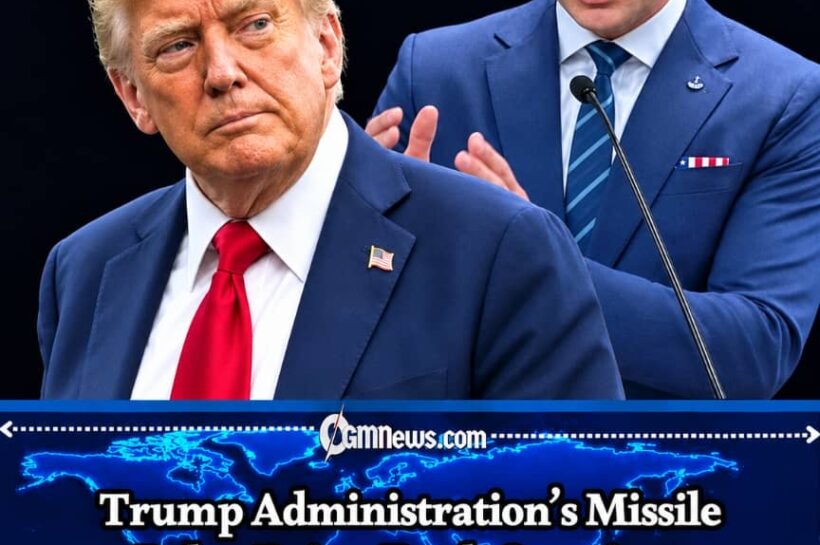
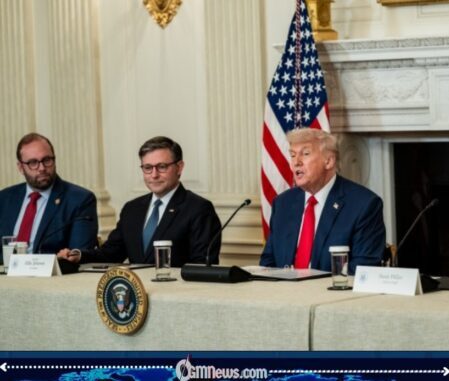
The latest developments followed a White House Situation Room meeting involving senior national security advisers. According to officials familiar with the discussions, President Trump reviewed the proposed agreement and requested several amendments before authorizing further talks with Tehran. While the precise changes have not been publicly disclosed, multiple reports suggest they focus on strengthening provisions related to Iran’s nuclear materials and other security concerns.
The proposed Iran Deal emerged from weeks of negotiations intended to preserve a fragile ceasefire and establish a framework for addressing larger disputes between Washington and Tehran. Earlier drafts reportedly included provisions connected to regional security, maritime access through the Strait of Hormuz, and future discussions regarding Iran’s nuclear activities. Although both sides appeared closer to agreement than at previous stages, officials indicated that significant differences remained unresolved, prompting the latest round of revisions.
Iran Deal: Uncertainty With The Negotiations
The renewed debate surrounding the Peace Framework reflects broader tensions that have complicated negotiations from the beginning. Analysts note that both governments have publicly expressed optimism at various moments, only for new disagreements to emerge shortly afterward. Iranian officials have repeatedly signaled caution regarding public claims that a final agreement is imminent, while U.S. officials continue to insist that any arrangement must meet strict conditions related to long-term security and nuclear safeguards.
Recent reports indicate that one area of concern involves the future handling of Iran’s enriched nuclear material and the sequence of steps expected from both parties after any agreement is signed. Questions surrounding sanctions, regional shipping routes, and verification mechanisms have also remained subjects of discussion. Some observers argue that the latest amendments could strengthen enforcement and improve confidence in the agreement, while others warn that additional demands risk delaying a deal that already faces significant political and diplomatic hurdles.
The Iran Deal now enters another critical phase, with negotiators once again exchanging proposals while governments and markets await clarity. Whether the latest revisions become the foundation of a final agreement or merely the beginning of another round of negotiations remains uncertain. OGM News will continue monitoring developments as both sides decide whether compromise or confrontation will define the next chapter of this evolving diplomatic story.


Logging in is a breeze and the site stability is amazing even during peak hours....