









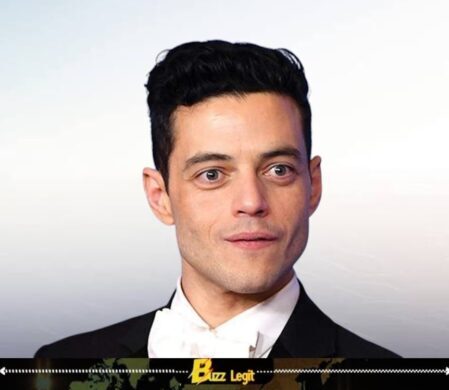
Casting debates returned to Hollywood this week after the director behind The Man I Love, starring Rami Malek, publicly addressed criticism surrounding the use of straight actors in gay roles. What may have once passed as a routine creative decision has instead become another flashpoint in the entertainment industry’s continuing struggle over representation, authenticity, and the commercial realities of filmmaking. The controversy quickly spread across social media platforms, where audiences dissected not only the casting itself but the broader power structures that continue shaping who gets opportunities in modern cinema.
The director defended the casting choice by emphasizing that acting fundamentally involves portraying lives and experiences outside one’s personal reality. Supporters of that position argued that restricting performers exclusively to roles matching their real-life identity could narrow artistic expression and weaken storytelling flexibility. Yet critics responded that the issue cannot be separated from the historical imbalance within Hollywood, where openly LGBTQ actors have frequently reported difficulty securing leading roles, especially in mainstream productions designed for global audiences.
Hollywood Says “Love Is Love” Until Casting Day Arrives
The discussion surrounding Casting intensified because the debate no longer exists in isolation. Over the past decade, several major productions have faced criticism for selecting heterosexual performers to portray LGBTQ characters while openly queer actors remain underrepresented in comparable roles. Advocacy groups and entertainment analysts have repeatedly pointed out that representation discussions are not solely about identity but also about economic access, career visibility, and long-term industry inclusion.
For many critics, the frustration stems from what they describe as Hollywood’s contradictory messaging. Studios often celebrate diversity during awards campaigns and promotional tours, yet major queer-centered films continue to rely heavily on already established stars perceived as financially “safe” investments. That contradiction has fueled accusations that inclusion sometimes functions more as branding strategy than institutional change. Some online commentators sarcastically noted that Hollywood appears fully committed to “representation” right up until casting contracts are signed.
“Authenticity Matters” Debate Explodes Around Rami Malek’s New Movie
The wider conversation around Authenticity also reflects changing audience expectations in the streaming era. Modern viewers increasingly scrutinize not only performances but also writers’ rooms, directing choices, and executive decision-making structures behind productions. Industry observers note that younger audiences, particularly online communities, often evaluate films through both artistic and ethical lenses simultaneously. As a result, debates that once remained inside film schools or niche criticism circles now explode into mainstream cultural arguments within hours.
Additional context surrounding the controversy reveals that Hollywood has gradually shifted toward more inclusive casting practices in recent years, though progress remains uneven. Several studios and filmmakers have begun prioritizing authentic representation for roles involving marginalized communities, while others continue defending broader creative flexibility. The disagreement highlights a deeper uncertainty within the industry: whether acting should primarily be viewed as unrestricted transformation or as a platform carrying social responsibilities tied to real-world inequalities. The answer remains commercially, politically, and culturally complicated.
Straight Actors Keep Winning Gay Roles Like It’s an Awards Season Subscription
Meanwhile, supporters of the film caution against reducing performances solely to identity labels, arguing that emotional depth, preparation, and storytelling quality still matter most to audiences. Critics respond that such arguments often ignore how systemic barriers continue affecting who gets visibility in the first place. The result is a debate where both artistic philosophy and employment equity collide in full public view — a uniquely modern Hollywood spectacle where every casting announcement now risks becoming its own press tour controversy.
As The Man I Love moves closer toward release, the film may ultimately become remembered less for its storyline and more for the conversation it triggered about Casting and Authenticity. In an industry where public image increasingly shapes commercial success, Hollywood’s ongoing representation debate appears far from resolved, and audiences are showing little sign of lowering the volume anytime soon.
https://shorturl.fm/5TtQZ