





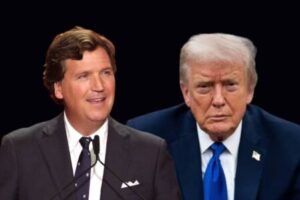





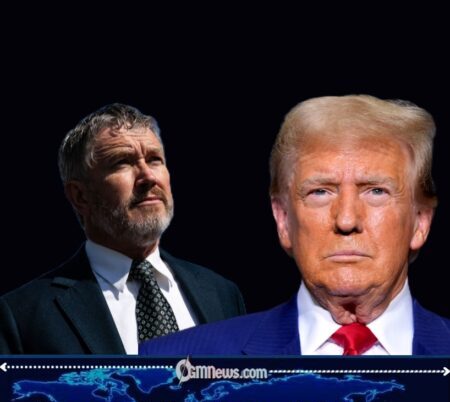
The phrase “Trump disappointment syndrome” is suddenly echoing through Republican circles after Kentucky congressman Thomas Massie issued a striking warning that President Donald Trump may be leading the Republican Party toward a dangerous political backlash ahead of the November midterms. Fresh from a crushing primary defeat backed aggressively by Trump himself, Massie accused party leaders of alienating independent conservatives, anti-war voters and fiscal hawks who once energized the Republican comeback in 2024. His comments have intensified concerns that loyalty battles inside the GOP could become a larger threat than Democratic opposition.
Thomas Massie Says Republican Voters Feel Alienated Ahead of November Elections
Massie, known for his libertarian-leaning positions and repeated clashes with Republican leadership, lost his Kentucky primary race to Trump-backed challenger Ed Gallrein in what became one of the most expensive congressional primaries in American history. The congressman had openly opposed several administration positions, including military action involving Iran, aggressive federal spending policies and the continued secrecy surrounding Jeffrey Epstein-related files.
Speaking after the defeat, Massie insisted he had no regrets, arguing that his political downfall stemmed from refusing to surrender independent judgment. He warned that many voters who joined Trump’s coalition during the 2024 elections now feel “disenfranchised” and politically ignored. According to Massie, anti-war conservatives, “Make America Healthy Again” supporters and budget-cutting fiscal conservatives are becoming increasingly frustrated with the direction of the administration.
The Kentucky Republican also reignited controversy by suggesting that bipartisan legislation he co-authored with Democratic congressman Ro Khanna seeking greater transparency on Epstein-related documents may have intensified efforts to remove him politically. Massie claimed powerful interests in Washington became uncomfortable once the proposal gained traction, portraying himself as a casualty of a political system intolerant of dissent.
Tensions escalated further after Massie declared during a speech that if Congress automatically sides with the president on every issue, “we do have a king.” The statement immediately fueled outrage among Trump loyalists while energizing critics who argue that personality-driven politics is weakening institutional independence within the Republican Party.
Trump Loyalty Test Sparks Fear of Voter Revolt Inside Republican Party
Massie’s defeat reflects a broader transformation taking place inside the Republican Party, where loyalty to President Trump increasingly shapes primary contests and political survival. Over the past several years, several Republicans who challenged Trump on foreign policy, election narratives or government investigations have either retired, lost primaries or faced fierce political backlash from within their own party.
Political analysts have noted that while Trump remains highly influential among Republican voters, internal fractures continue to grow over issues such as military involvement overseas, federal debt, government transparency and the handling of politically sensitive investigations. Some conservative strategists fear that suppressing dissent within the party could discourage independent conservatives and moderate Republicans from participating enthusiastically during the midterm elections.
The debate surrounding the Epstein files has also become politically explosive across both parties. Calls for greater transparency continue to attract public attention online, with lawmakers from opposing political camps occasionally finding common ground on demands for disclosure. Massie’s alignment with Democrats on the issue, however, made him vulnerable to accusations of disloyalty from Trump allies eager to tighten ideological discipline within the GOP.
Meanwhile, President Trump celebrated Massie’s defeat publicly, describing the congressman as disloyal and ineffective. The president’s intervention in the Kentucky race demonstrated once again his willingness to directly shape Republican primaries by rewarding allies and punishing critics. Supporters argue this strengthens party unity, while opponents warn it creates a climate where disagreement becomes politically fatal.
As Republicans move toward a fiercely contested midterm season, the emergence of “Trump disappointment syndrome” may become more than a sarcastic phrase thrown around cable news studios and social media timelines. It could evolve into a genuine test of whether the Republican coalition can balance loyalty with ideological diversity without driving portions of its own voter base into frustration, silence or protest at the ballot box. OGM News will continue monitoring how these internal battles reshape the political landscape in the months ahead.
https://shorturl.fm/5TtQZ