











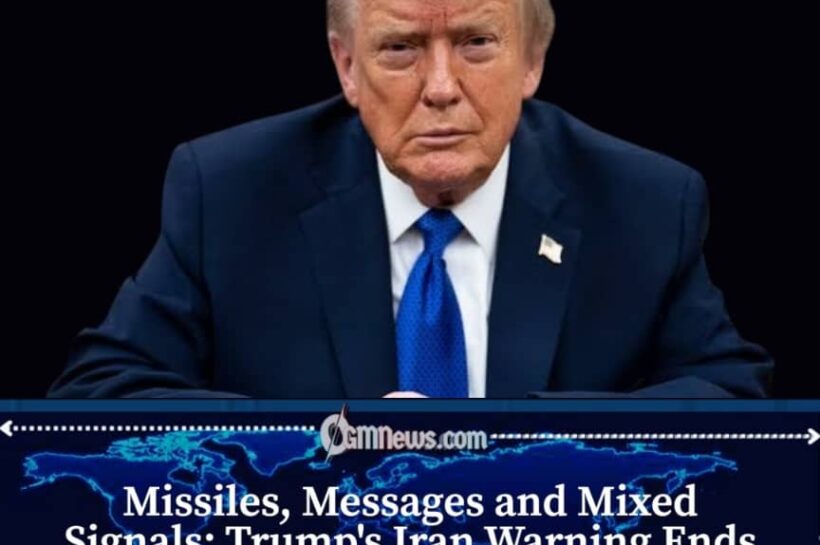



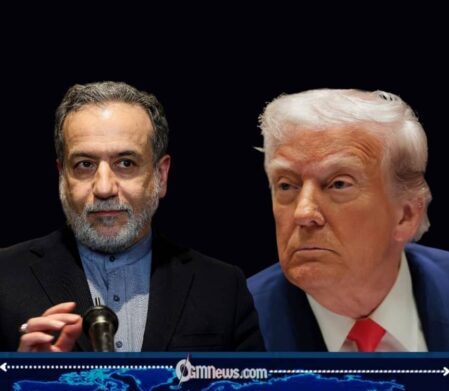
Iran Demands have rapidly become the latest flashpoint in escalating tensions between Tehran and Washington after Iranian officials warned that President Donald Trump has “no choice” but to accept Iran’s conditions or risk suffering “major losses.” The unusually direct statement arrives at a sensitive moment for global diplomacy, where stalled nuclear discussions, regional ceasefire negotiations, and economic uncertainty are colliding at once. With the Strait of Hormuz once again entering the conversation, international observers fear the rhetoric could move beyond headlines and into consequences that affect oil markets, military stability, and global trade.
Iran Demands:Tehran Escalates Pressure Campaign Against President Trump and U.S. Allies
Iran Demands reportedly centers on sanctions relief, security guarantees, and broader recognition of Tehran’s regional influence. Iranian officials have increasingly argued that years of economic pressure and diplomatic reversals from Washington justify a tougher negotiating posture. The latest remarks suggest Tehran believes the balance of leverage has shifted, especially as global powers remain concerned about energy security and instability across the Middle East.
President Trump’s administration has continued to maintain pressure on Iran while pursuing negotiations aimed at limiting nuclear expansion and preventing wider regional conflict. However, recent reports from diplomatic circles indicate that talks have slowed considerably over disagreements involving verification measures, enforcement mechanisms, and long-term guarantees. Iranian leaders insist previous agreements left their economy vulnerable, while U.S. officials remain cautious about offering concessions without stronger compliance commitments from Tehran.
Strait of Hormuz Fears Return as Iran and U.S. Exchange Sharp Warnings
Iran Demands have also renewed attention on the Strait of Hormuz, one of the world’s most strategically important maritime routes. A significant portion of global oil shipments passes through the narrow waterway, making any threat connected to the area capable of influencing international fuel prices almost immediately. Analysts warn that even indirect military signaling near the route can trigger market anxiety, insurance increases for shipping companies, and broader economic concerns for energy-dependent nations.
Beyond the immediate rhetoric, the standoff reflects a deeper geopolitical struggle involving regional influence, sanctions enforcement, and shifting alliances across the Middle East. Iran has spent years strengthening ties with regional partners while resisting Western pressure campaigns, and many experts believe the current language is designed as much for international audiences as for domestic political support. Meanwhile, Washington faces competing pressures: avoiding military escalation while also appearing firm against perceived threats to international security and trade stability.
The coming weeks may determine whether Iran Demands remain part of aggressive diplomatic theater or evolve into a more dangerous confrontation affecting energy markets and regional security. For now, global attention remains fixed on whether President Trump’s administration and Iranian negotiators can find a path forward before warnings surrounding the Strait of Hormuz become more than political messaging. OGM News will continue monitoring developments as diplomatic and economic pressure intensifies across the region.
https://shorturl.fm/5TtQZ