



























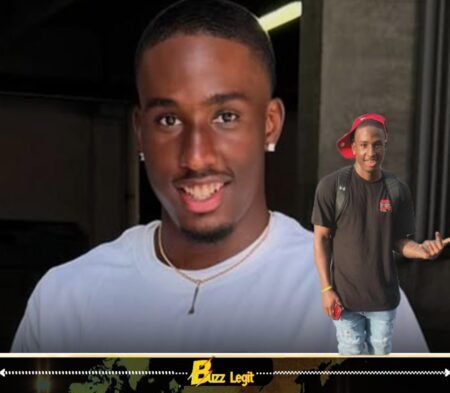
William Davis, the promising HBCU football star and defensive powerhouse, has died at the tender age of 22, leaving Sam Houston State University and the college sports world in shock. Known for his unmatched energy on the field and leadership in the locker room, Davis’ sudden death has sparked both grief and heated conversations about the pressures young athletes face today. The Bearkat community is mourning, but the story behind the headlines may reveal deeper issues lurking beneath the surface of college sports.
The Legacy of William Davis
William Davis was more than a football player; he was a symbol of dedication, discipline, and team spirit at Sam Houston State University. Coaches and teammates describe him as “beloved,” noting his commitment to both athletics and academics. His speed and tactical intelligence on the defensive line earned him recognition among peers, and his personality made him a fixture in the community. The university has officially expressed deep sadness, emphasizing the profound impact Davis had in his short life.
Despite his young age, Davis had already inspired countless students. Social media has flooded with tributes, and campus vigils are planned to honor his memory. Head Coach Phil Longo noted, “Will touched the lives of everyone he knew,” underlining how influential Davis was beyond just the football field. His death has left a void not just in the sports department but across the broader student body.
Context and Broader Implications
Research into the pressures faced by college athletes suggests that William Davis’ death may also prompt a wider look at the health and well-being of young players. College football, particularly at competitive institutions, is a high-stress environment where physical and mental demands intersect. While the exact cause of Davis’ death has not been publicly confirmed, experts caution that early intervention in student-athlete health is critical.
Davis’ passing also brings attention to systemic issues affecting HBCUs and smaller universities, where support resources may be limited. Initiatives to improve mental health services, medical oversight, and injury prevention programs are being discussed in response to such tragedies. As the college football season continues, Davis’ death may serve as a catalyst for change, highlighting the delicate balance between athletic achievement and holistic student care.
In conclusion, the loss of William Davis is a poignant reminder of both the brilliance and fragility of young talent. While the Sam Houston State Bearkats mourn, the broader athletic community faces a call to action: to protect, nurture, and support the students who carry the weight of school pride, personal dreams, and public expectation. William Davis’ legacy will endure, but his passing underscores the urgent need to prioritize the well-being of student-athletes.



https://shorturl.fm/5TtQZ