



















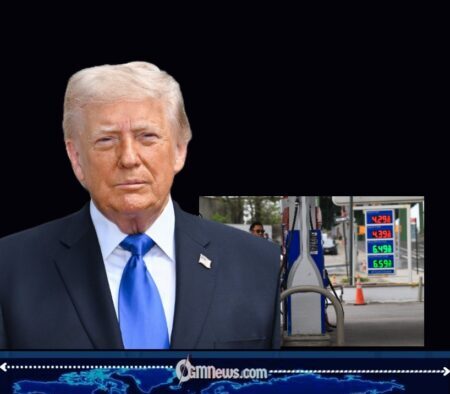
Pump Panic is rapidly becoming the political phrase haunting Washington after President Donald Trump publicly backed suspending the federal gasoline tax while Americans face rising fuel prices tied to the ongoing Iran war and disruptions around the Strait of Hormuz. The proposal emerged as national gasoline averages surged above levels last seen during the economic turbulence of 2022, reigniting fears over inflation, household costs, and political fallout ahead of crucial midterm elections. While the White House argues the measure could provide immediate consumer relief, critics say the proposal may be more symbolic than financially transformative.
Emergency Relief or Election-Year Survival?
President Trump signaled support for reducing or suspending the 18.4-cent federal gasoline tax, telling reporters the measure could remain in place “till it’s appropriate.” The proposal would require congressional approval, placing Republicans in a politically sensitive position as lawmakers balance public anger over fuel prices against concerns about lost infrastructure funding. Senator Josh Hawley responded by introducing legislation seeking a 90-day suspension of both gasoline and diesel taxes.
The timing has intensified political speculation. Fuel prices have historically carried enormous electoral consequences in the United States, especially when inflation pressures affect groceries, transportation, and consumer confidence simultaneously. Although Trump acknowledged that the federal gas tax represents only a small fraction of overall fuel costs, administration allies argue even modest savings could help frustrated Americans psychologically and financially during a period of uncertainty.
Pump Panic: Strait of Hormuz Crisis Deepens Pump Panic
The wider energy crisis stems largely from disruptions linked to the Iran conflict and restrictions affecting the Strait of Hormuz, a narrow but globally critical shipping route responsible for moving roughly one-fifth of the world’s oil supply. Analysts warn that continued instability in the region could push fuel prices even higher if supply bottlenecks worsen or shipping insurance costs continue rising for international carriers.
Beyond the fuel pumps, the economic consequences are already spreading into aviation, logistics, and retail markets. Airlines struggling with soaring jet fuel expenses have reportedly sought emergency financial assistance, while several U.S. states, including Indiana, Kentucky, and Georgia, have already moved toward state-level fuel tax reductions to cushion consumers. Transportation economists, however, caution that repeated tax suspensions may weaken long-term infrastructure financing, especially as billions are already being transferred from federal general funds to sustain road repair programs nationwide.
As Washington debates whether temporary tax cuts can calm public frustration, Pump Panic continues shaping both economic anxiety and political calculations across the country. OGM News understands that further policy discussions are expected in Congress this week, with lawmakers under mounting pressure to demonstrate they can lower costs before voter frustration becomes a larger political wildfire.


https://shorturl.fm/XPOeg